







The Post-Pandemic Fitness Reset
The shift away from machine-centric workouts didn't happen overnight, but the pandemic undeniably hit the fast-forward button. When gyms across the country shuttered in 2020, millions of Americans were forced to reconsider how and where they exercised.
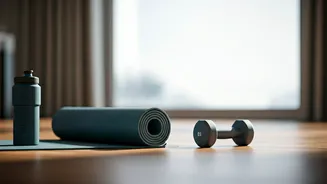
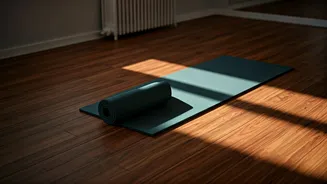
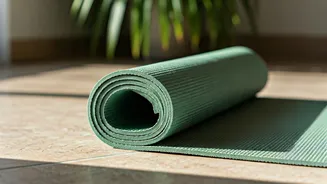
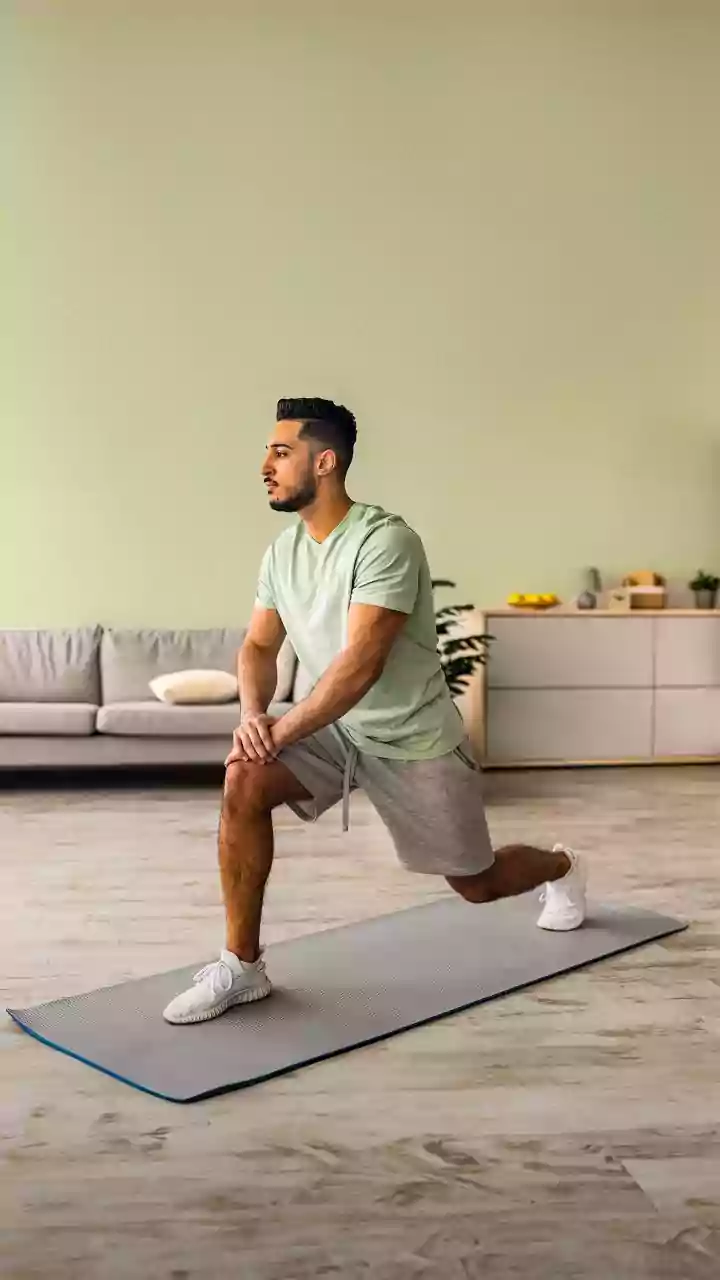
The living room became the new studio. The yoga mat, a simple strip of rubber, became the symbol of a new era of fitness: accessible, adaptable, and deeply personal. This wasn't just a temporary fix; it was a fundamental rewiring of our relationship with exercise. People discovered the effectiveness of bodyweight exercises, the mental clarity of a guided vinyasa flow from a YouTube instructor, and the sheer convenience of not having to commute to a gym. The 'gym' was no longer a place you went to; it was an activity you did, wherever you and your mat happened to be.
From Aesthetics to Wellness
This trend is about more than just convenience; it represents a profound philosophical change in what people want from a workout. For decades, traditional gym culture was dominated by aesthetics and performance metrics: bigger biceps, a faster mile, a heavier deadlift. The machines were tools for isolating and building specific muscles. A yoga mat, however, represents a more holistic approach. The goal of a yoga session isn't just physical; it’s also mental and emotional. It’s about building stability, improving mobility, and calming the nervous system. The new fitness consumer is often less concerned with 'looking fit' and more interested in 'feeling well.' They’re trading the pursuit of a six-pack for the pursuit of stress relief, better sleep, and functional strength that prevents injury and supports daily life. This is the shift from fitness as a chore to movement as self-care.
The New Economics of Sweat
The financial aspect cannot be ignored. A standard gym membership can cost anywhere from $30 to over $150 a month, locking you into a single location and style of exercise. In contrast, a high-quality yoga mat is a one-time purchase of under $100. This has democratized fitness, making it available to people who were priced out or intimidated by the traditional gym model. The digital fitness boom has capitalized on this. For a fraction of a gym membership fee, apps like Peloton, Apple Fitness+, and Glo offer vast libraries of world-class instruction in yoga, Pilates, and meditation. Even free resources on platforms like YouTube have made expert-led classes accessible to anyone with an internet connection. This unbundling of fitness allows consumers to build a portfolio of activities that fits their budget and their mood, without being tied to a single, expensive contract.
It's Not an Either/Or Scenario
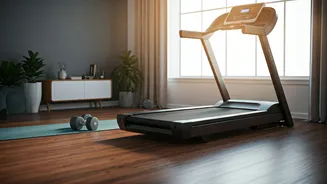
To say yoga mats are 'replacing' gym machines is to miss a crucial nuance. The gym isn't dead; it's evolving. For many, the ideal fitness routine is now a hybrid. People are supplementing their weightlifting sessions with yoga classes to improve flexibility and aid recovery. They’re using the leg press machine on Monday and following a Pilates instructor on their iPad on Tuesday. The modern, savvy fitness enthusiast understands that different tools serve different purposes. The weight rack is for building maximal strength and muscle mass. The yoga mat is for cultivating balance, mobility, and mindfulness. The most durable trend isn't the replacement of one for the other, but the integration of both. The gym is becoming just one piece of a much larger wellness puzzle, rather than the entire picture.