


The Great Monsoon Escape
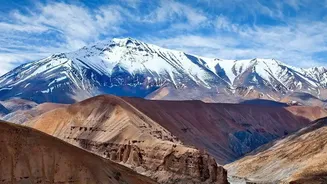
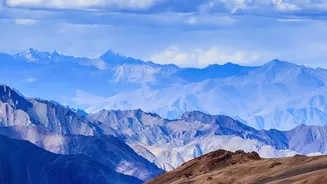
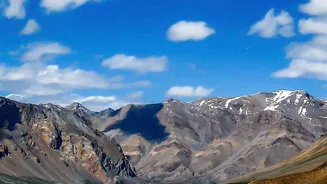
While the rest of the subcontinent embraces the annual rains, Ladakh remains defiantly dry. Tucked away in the formidable rain shadow of the Himalayas, this region is geographically shielded from the moisture-laden monsoon clouds. The towering mountain
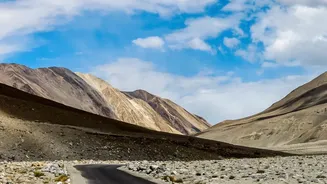
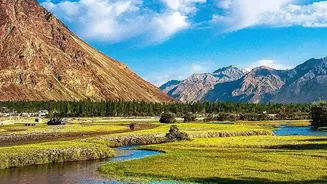
ranges force the clouds to deposit their rain on the southern slopes, leaving Ladakh with clear blue skies and minimal precipitation. This unique climatic phenomenon makes the months of July and August, typically the wettest for other destinations, the absolute best time to explore the 'Land of High Passes'. Instead of dealing with landslides and downpours, travellers are greeted with pleasant daytime temperatures, open roads, and a landscape that, thanks to occasional light showers, reveals subtle hints of green against its barren, majestic backdrop.
What to See and Do in a Dry Paradise
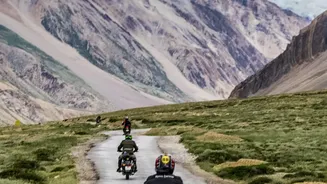
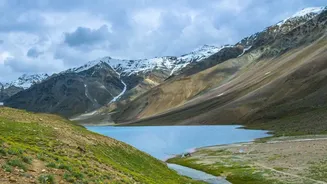
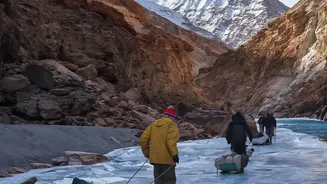
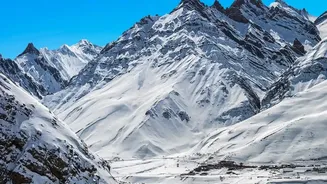
August is peak season in Ladakh for a reason: accessibility is at its maximum. The internal roads connecting Leh to the region's crown jewels—Pangong Tso, Tso Moriri, and the Nubra Valley—are reliably open. You can drive to Khardung La, one of the world's highest motorable passes, for breathtaking views of the Karakoram range. Adventure seekers can indulge in white-water rafting on the Zanskar and Indus rivers, where the water levels are ideal. For trekkers, famous routes like the Markha Valley trek are in prime condition. Beyond the adrenaline-pumping activities, the month is perfect for cultural immersion. You can explore ancient monasteries like Thiksey, Hemis, and Alchi without the interruption of rain, wander through Leh's bustling local market, or simply find a quiet café to soak in the panoramic mountain views. Camping beside the surreal, colour-changing Pangong Lake under a canopy of stars is an experience that defines a trip to Ladakh.
The Crucial Rule: Acclimatisation
Ladakh's magic comes with a serious warning: altitude. Leh sits at an elevation of 3,500 metres (about 11,500 feet), where the oxygen levels are significantly lower. Arriving by flight causes a rapid ascent that can lead to Acute Mountain Sickness (AMS), with symptoms like headaches, nausea, and dizziness. The most critical rule for a safe and enjoyable trip is to acclimatise properly. Upon arrival in Leh, you must dedicate the first 24 to 48 hours to complete rest. This means no strenuous activity, not even a walk up to the Shanti Stupa or Leh Palace. Hydration is key; aim to drink at least 3-4 litres of water daily. It's also wise to avoid alcohol and heavy meals during this initial period. By giving your body time to adjust, you prepare it for the even higher altitudes of the mountain passes and lakes you'll visit later.
Packing for a High-Altitude Desert
Packing for Ladakh in August can be confusing. Though it's summer, the weather is a game of extremes. Days are sunny and warm, but temperatures can drop significantly as soon as the sun sets, especially at higher altitudes like Pangong Tso. The best strategy is to pack layers. Think light t-shirts, long-sleeved shirts for sun protection, a fleece jacket, and a warmer, windproof jacket for the cold nights. The sun's UV rays are incredibly harsh at this altitude, so a wide-brimmed hat, sunglasses, and a high-SPF sunscreen are non-negotiable. Comfortable and sturdy walking shoes are essential. While you may be escaping the rain, the approach roads, particularly the Manali-Leh highway, can still have water crossings, so waterproof gear can be useful if you're planning a road trip.