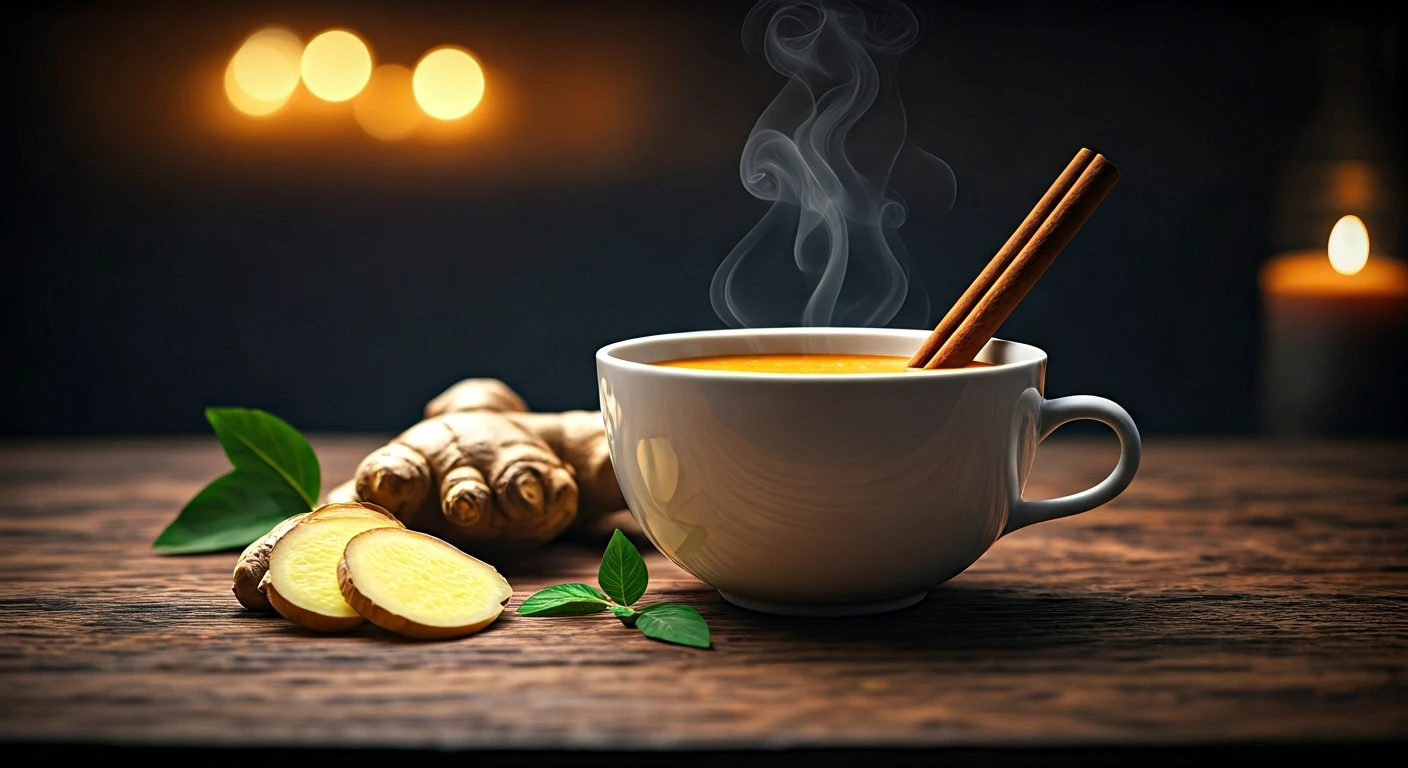





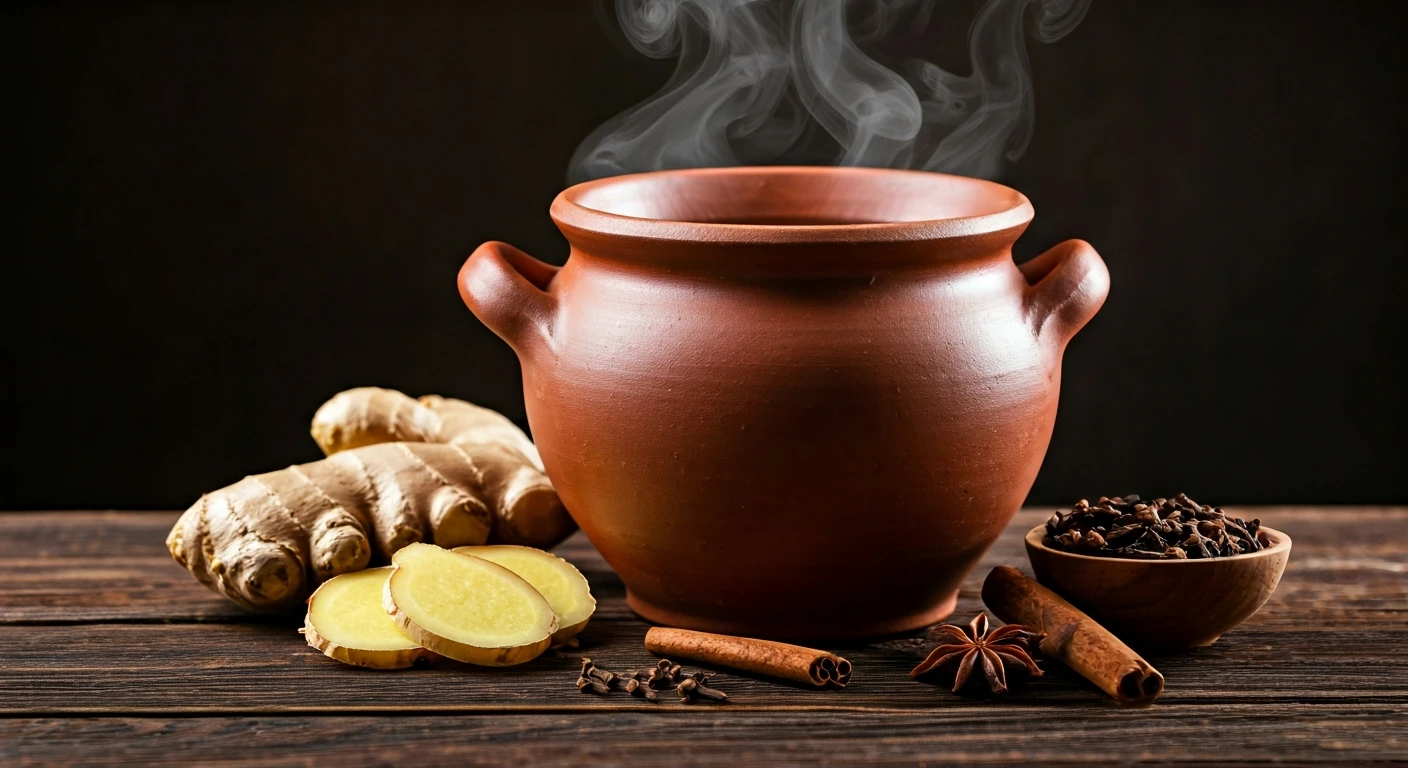



What is Kadha, Exactly?
Before it became a trending wellness drink, kadha was simply a staple in every Indian dadi or nani’s handbook of home remedies. At its core, kadha is an Ayurvedic decoction made by boiling a combination of herbs and spices in water for an extended period.
This process allows the active compounds and medicinal properties of the ingredients to be extracted into the water. Unlike regular tea, it’s not just about flavour; it’s a concentrated wellness shot designed to support the body’s natural defence mechanisms. Each family has its own unique recipe, passed down through generations, but the goal is always the same: to create a potent, warming brew that soothes and strengthens from within.
Your Monsoon Immunity Shield
The monsoon season, while beautiful, creates a perfect breeding ground for viruses and bacteria. The increased humidity and drop in temperature can weaken our immune system, making us more susceptible to common ailments like the flu, sore throats, and digestive issues. This is where kadha steps in as a formidable ally. Its ingredients are packed with antiviral, antibacterial, anti-inflammatory, and antioxidant properties. Regularly sipping on a warm cup of kadha can help bolster your immunity, soothe an itchy throat, clear congestion, and improve digestion. It works by providing the body with a concentrated dose of beneficial compounds that help it fight off pathogens and reduce inflammation, making it an essential part of a monsoon wellness routine.
The Power-Packed Ingredients
The magic of kadha lies in its synergistic blend of everyday spices and herbs. Each ingredient plays a specific role: **Tulsi (Holy Basil):** Revered as the "Queen of Herbs," tulsi is a powerhouse of wellness. It's known for its potent antibacterial and antiviral properties, making it excellent for fending off respiratory infections. It also acts as an adaptogen, helping the body cope with stress. **Adrak (Ginger):** This pungent root is a go-to remedy for sore throats and coughs due to its anti-inflammatory compounds called gingerols. It also stimulates digestion and helps combat nausea. **Haldi (Turmeric):** The golden spice gets its vibrant colour and medicinal prowess from curcumin, a compound with strong anti-inflammatory and antioxidant effects that support a robust immune response. **Kali Mirch (Black Pepper):** More than just a flavour enhancer, black pepper contains piperine, a compound that significantly increases the body's ability to absorb the curcumin from turmeric, making the duo a powerful team. **Laung (Cloves):** These small flower buds are rich in antioxidants and have antiseptic properties that can help soothe a cough and relieve throat pain.
A Classic Homemade Kadha Recipe
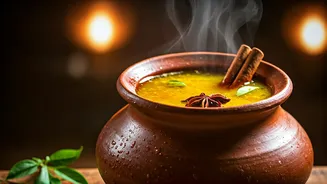
Ready to brew your own cup of wellness? This classic recipe is simple and effective. You can adjust the ingredients based on your taste and what you have available. **Ingredients:** - 2 cups of water - 5-6 tulsi (holy basil) leaves - 1-inch piece of ginger, grated or crushed - 1/2 teaspoon turmeric powder or a small piece of raw turmeric, crushed - 4-5 black peppercorns, crushed - 2 cloves, crushed - 1 small stick of cinnamon (dalchini) (optional) - 1 teaspoon of honey or a small piece of jaggery (gur) to taste **Instructions:** 1. Pour the water into a saucepan and bring it to a boil. 2. Add all the ingredients except the honey or jaggery. 3. Reduce the heat and let the mixture simmer for 10-15 minutes, or until the water reduces to about half its original volume. 4. Turn off the heat and strain the liquid into a cup. 5. Allow it to cool slightly before stirring in the honey or jaggery, as boiling hot water can diminish honey’s beneficial properties.
Tips for the Perfect Brew
To get the most out of your homemade kadha, keep a few things in mind. First, always try to use fresh ingredients, especially ginger and tulsi, for maximum potency. Second, while it's tempting to think more is better, don't overdo it. Kadha contains 'hot' or heat-producing spices, and excessive consumption can sometimes lead to acidity or stomach discomfort. One small cup a day during the monsoon is generally sufficient for most people. Finally, the best time to drink it is either first thing in the morning to kickstart your day or at night before bed to soothe your system and promote restful sleep. Listen to your body and adjust the frequency and ingredients as needed.