





In a landmark moment for Indian culture, the Bihar Museum in Patna has been named the highest-ranked museum in Asia. This recognition places it ninth globally on a prestigious 2026 list, marking a major achievement for the nation's heritage sector.
A Staggering Global Achievement
The
Bihar Museum has secured the ninth spot on 'The World's 100 Best Museums 2026' list, published by the international travel guide 'Worth a Journey'. This accomplishment is particularly noteworthy as it is the only museum from India to feature on the list, placing it ahead of world-renowned institutions like The Metropolitan Museum of Art in New York (10th) and the Louvre in Paris (31st). The list, which covers museums across 37 countries, is topped by Mexico City's Museo Nacional de Antropología. This recognition has been hailed as a 'seminal moment' by public figures like industrialist Anand Mahindra, who suggested it could spark a 'museum renaissance in India'.
More Than Just a Building
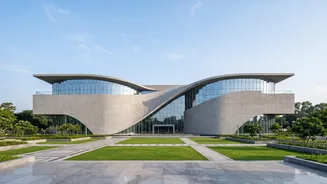
Inaugurated in 2015, the Bihar Museum was conceived to provide a world-class space for the state's immense historical treasures, many of which were transferred from the older Patna Museum. The vision was brought to life by a collaboration between Japanese Pritzker Prize-winning architect Fumihiko Maki and the Mumbai-based firm Opolis Architects. They designed the museum not as a single monolithic structure, but as a 'campus' spread over a 13-acre site. This design features a series of interconnected buildings and landscaped courtyards that create a dynamic and harmonious visitor experience, blending indoor galleries with open-air spaces. The building's exterior is clad in Corten steel, a material chosen to symbolise India's historic achievements in metallurgy and Bihar's rich natural resources.
A Journey Through Time
What truly sets the Bihar Museum apart is its curatorial philosophy, which focuses on visitor experience and narrative storytelling. The galleries are arranged chronologically, taking visitors on a compelling journey through the region's rich past, from ancient civilisations to 1764. The collection includes priceless artefacts like the 2,300-year-old Didarganj Yakshi, along with sculptures, ancient coins, manuscripts, and regional folk art that trace the evolution of one of India's most historic regions. Beyond the historical galleries, the museum features spaces dedicated to contemporary art, regional art, and even a 'Diaspora Gallery' that explores the global influence of Bihari culture. This thoughtful presentation aims to make history accessible and engaging for everyone.
Designed for a New Generation
A key aspect of the museum's success is its focus on creating an inclusive environment. Unlike traditional museums that can sometimes feel intimidating, the Bihar Museum is designed to be welcoming. It features a dedicated Children's Gallery with interactive exhibits that make learning about history, science, and culture fun for younger visitors. This family-friendly approach encourages repeat visits and aims to cultivate a new generation of museum-goers. The architecture itself, with its cloisters and courtyards, offers natural light and relief from the 'blackbox' exhibition spaces, creating a calming and contemplative atmosphere that enhances the learning experience.
A Symbol of a New Bihar
This international ranking is more than just an award; it's a powerful statement about the cultural resurgence of Bihar. For decades, the state has often been viewed through a narrow lens, but this achievement places it firmly on the global cultural map. The museum acts as 'a bridge to the past and a portal to the future', fostering a renewed sense of pride and connection to Bihar's storied history. As officials have noted, the goal was to create an institution that reflects this pride and showcases the region's legacy to the world. The global recognition validates this vision and highlights the power of investing in cultural infrastructure to change perceptions and drive progress.