




Become a Sunlight Detective
Before buying a single plant, you must understand your balcony's specific light conditions. A plant needing six hours of sun will not survive with only two. Start by observing your balcony for a full day. Note when direct sunlight first hits your plant spots
and when it leaves. Balcony direction is a major clue: south-facing balconies generally receive the most consistent sun, while north-facing ones get the least. East-facing balconies get gentle morning sun, and west-facing ones receive intense afternoon heat. Surrounding buildings, overhangs, and even railings can cast shadows that dramatically alter your light. Track the actual hours of direct sun your pots will receive. This simple act of observation is the single most important step for a successful balcony garden.
Match the Right Plant to the Right Light
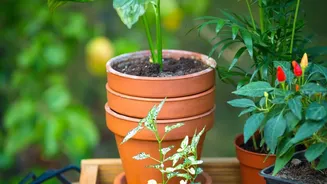
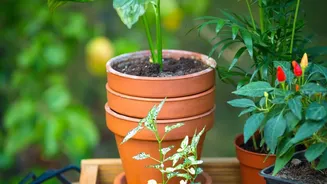
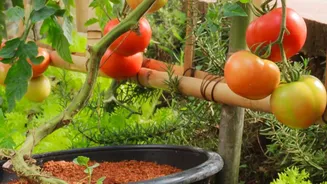
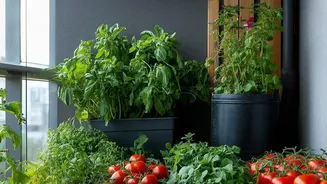
Once you know your sunlight pattern, you can choose plants that will thrive. For balconies with full sun (6+ hours of direct light), choose heat-loving species. Think of Mediterranean herbs like rosemary, sage, and thyme, or vibrant flowers like petunias and geraniums. Vegetables such as tomatoes, peppers, and eggplant also do well in full sun. For partial sun or shade (3-6 hours), especially on east-facing balconies, focus on leafy greens like lettuce and spinach, which appreciate protection from the harsh afternoon sun. Fuchsias, begonias, and many ferns also flourish in these conditions. For heavily shaded, north-facing balconies, all is not lost. Focus on ornamental foliage plants like pothos (money plant), snake plants, and mint.
The Golden Rule of Watering
The most common mistake in container gardening is not watering too little, but watering too often. This leads to root rot, which suffocates the plant. Forget a rigid schedule. Instead, learn to check the soil. The 'finger test' is your best tool: stick your index finger about an inch into the soil. If it feels dry, it's time to water. If it's still moist, wait another day. This simple check prevents the guesswork that leads to overwatering. Remember that plants in terracotta pots and windy locations will dry out faster than those in plastic pots or sheltered spots.
Water Deeply, Not Lightly
When you do water, do it thoroughly. Avoid giving your plants small, frequent sips. This encourages shallow roots and leaves the bottom of the pot dry. The correct technique is to water slowly until you see it running out of the drainage holes at the bottom of the container. This ensures the entire root ball is saturated. It's better to give your plant a deep drenching every few days than a light splash every day. This mimics a natural downpour and promotes a stronger, deeper root system. Always let the excess water drain away completely; never let a pot sit in a saucer full of water for more than an hour.
Adjust for Seasons and Weather
Your watering needs are not static. They change with the weather, the season, and the plant's growth stage. During hot, dry, or windy weather, you may need to water daily, especially for smaller pots that dry out quickly. In cooler months or during monsoon season, you'll need to water far less frequently. A light rain might wet the leaves but not penetrate the soil, so always double-check with the finger test instead of assuming the rain has done the job for you. The best time to water is in the morning, which hydrates the plant before the heat of the day and allows leaves to dry, reducing the risk of fungal diseases.