






Create a Realistic Festive Budget
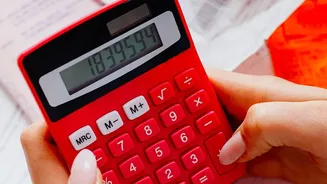
The first step to financial peace during the festive season is creating a budget. Before you start shopping, take a realistic look at your finances. Calculate your monthly income and subtract all fixed expenses like EMIs, rent, household bills, and investments.
The remaining amount is what you can consider for festive spending. To avoid a single, overwhelming figure, break this budget down into categories: gifts, clothing, travel, food, and decorations. Allocating specific amounts to each category helps prevent overspending in one area at the expense of another. You could even create a separate 'festival fund' by setting aside a small percentage of your income in the months leading up to the celebrations.
Make a Detailed Shopping List
Impulse buying is the biggest enemy of any budget. To combat this, create a comprehensive list of everything you need to buy and stick to it. Write down every planned purchase, from big-ticket items for the home to smaller gifts for colleagues. Having a list keeps you focused and prevents you from being swayed by tempting but unnecessary deals. A good rule to follow is that if it isn't on your list, don't buy it. This simple discipline is crucial for staying within your financial limits and avoiding post-festival regret.
Use Credit Cards Strategically
Credit cards are a convenient tool, but they must be used responsibly to avoid debt and protect your credit score. One of the most critical factors for your score is the credit utilisation ratio—the amount of credit you use compared to your total limit. Ideally, you should aim to keep this ratio below 30-40% on each card. Instead of maxing out one card, consider spreading your purchases across multiple cards if you have them. Be wary of opening new store credit cards just for a one-time discount, as each application can trigger a hard inquiry that temporarily lowers your score.
Pay Attention to Billing Cycles
Making timely payments is the single most important action for maintaining a healthy credit score. A single late payment can negatively impact your score and stay on your credit report for years. To stay on track, set payment reminders or enable auto-pay for at least the minimum amount due. Whenever possible, pay your balance in full to avoid high interest charges. A smart tactic is to align your shopping with your credit card's billing cycle. Shopping at the beginning of a new cycle gives you a longer interest-free period—up to 40-50 days—to settle your dues.
Be Cautious with 'No-Cost' EMIs and BNPL
During the festive season, 'No-Cost EMI' and 'Buy Now, Pay Later' (BNPL) schemes are heavily promoted. While they can make large purchases more manageable, they should be approached with caution. These options are still a form of credit, and piling up too many can strain your repayment capacity and be viewed negatively by lenders. Before opting for an EMI, compare the total price with the best available upfront discount, as sometimes the 'no-cost' claim can hide other charges. Ensure you can comfortably manage the monthly payments, as missing an EMI payment will directly harm your credit score.
Track Spending and Review Your Credit Score
It's easy to lose track of expenses amid the festive excitement. Keep a record of all your purchases, either in a notebook or using a budgeting app, to ensure you are sticking to your plan. After the festive season, it is a good practice to check your CIBIL score and credit report. This allows you to see the impact of your spending, check for any inaccuracies in your report, and take corrective action if needed. Regular monitoring helps you stay in control of your financial health long after the celebrations are over.