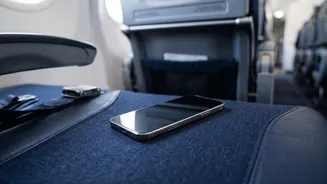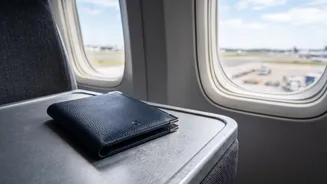









The feeling is universal: a sudden jolt of panic when you realise you've left your tablet, headphones, or wallet on the plane. But the frustrating process of trying to retrieve it isn't about neglect; it's a direct result of the airline industry's most
critical and time-crunched procedure.
The Race Against the Clock
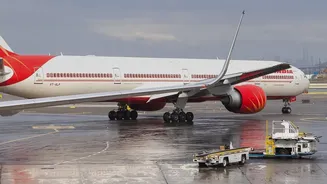
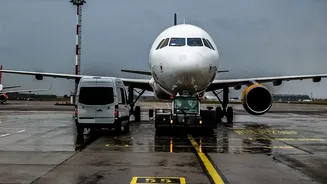
In the airline industry, time is money. An aircraft sitting idle at a gate isn't earning revenue; it's accumulating costs for ground handling, crew scheduling, and airport fees. This is why airlines master the 'turnaround'—the period between a plane arriving at the gate and departing for its next flight. For many low-cost carriers, this entire process can be as short as 25 minutes. This tight window is a carefully choreographed ballet of efficiency involving dozens of people and simultaneous tasks: deplaning, cleaning, catering, refuelling, and boarding. The primary goal is singular: get the plane back in the air safely and on time. Every minute saved can translate into significant operational savings and improved profitability.
A Symphony of Organised Chaos
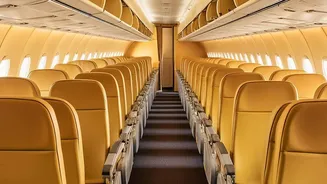
The moment a plane is 'on blocks' (parked at the gate with the brake set), a flurry of activity begins. Ground crews connect power and position the jet bridge, while cabin crew prepare for disembarkation. As passengers exit, multiple teams swarm the aircraft. Cleaners move through the cabin to clear rubbish, wipe surfaces, and restock amenities. Simultaneously, catering trucks replenish food and drink, refuelling teams manage the fuel uplift, and baggage handlers unload and then load luggage for the next flight. All these activities are overseen by a turnaround coordinator who ensures each step happens in the correct sequence without delay. It’s a high-pressure environment where every second is accounted for and every team is focused solely on their specific task.
Where Your Lost Item Fits In—Or Doesn't
This is where the problem for your forgotten item begins. During a rapid turnaround, there is no single person whose primary job is to search for lost property. The cleaning crew's main incentive is speed and sanitation, not a meticulous search of every seat-back pocket. Cabin crew are often busy debriefing from the previous flight or preparing for the next one, a process that includes safety checks and passenger manifests. Found items are supposed to be collected and handed over to the airline's ground staff, but in the rush, this can be inconsistent. The item might be found by cleaners, a subsequent passenger, or the next flight's crew, hours after you've already left the airport.
The Journey to the Lost and Found Abyss
If an item is found, its journey back to you is fraught with logistical hurdles. It's first handed to the airline's local lost and found department or its designated ground handling agent. From there, it must be logged and stored. This creates a disconnect; you might be filing a report in your destination city, while your Kindle is sitting in an office at your departure airport. Airlines handle thousands of reports, so they rely on detailed online forms to match items to owners. A vague description like 'black headphones' is unlikely to succeed. Success often depends on you providing unique identifiers like serial numbers or specific details about the item's appearance.
Policies Designed for Reality, Not Convenience
This operational reality directly shapes the seemingly unhelpful lost_item policies of most airlines. The onus is placed squarely on the passenger to act fast and provide detailed information. Airlines simply don't have the resources to proactively track down the owner of every item left behind, especially when weighed against the immense financial and logistical pressures of maintaining their flight schedules. They establish a formal, reactive process that requires you to file a detailed report through their website. If a match is found, you will be contacted, but you will often be responsible for any shipping costs to have your item returned. It’s a system born not of carelessness, but of the brutal efficiency that underpins modern air travel.