





The Unsung Foundation of Plant Health
In the world of gardening, we are often dazzled by the promise of exotic plants, potent fertilisers, and vibrant blossoms. But beneath all that beauty lies a simple, non-negotiable principle: good drainage. Think of it as the foundation of your house;
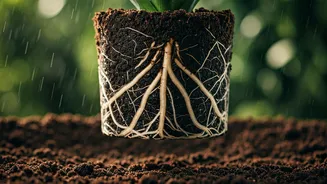
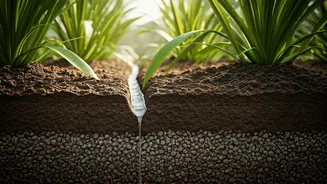
without a solid one, everything else is at risk. Proper drainage ensures that excess water can escape, preventing the soil from becoming a waterlogged swamp. This is crucial because plant roots, like us, need to breathe. They absorb oxygen from the small air pockets within the soil. When these pockets are constantly filled with water, the roots effectively suffocate, leading to a cascade of problems that no amount of fertiliser can fix.
When Water Becomes The Enemy
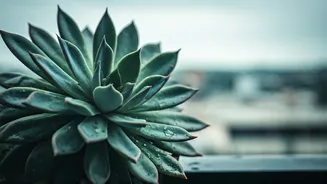
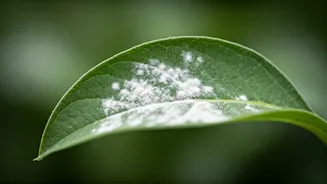
It’s a cruel irony of gardening that the very thing we give our plants to sustain them—water—can become their killer. The signs of poor drainage are often mistaken for underwatering. You might see yellowing or drooping leaves, stunted growth, or leaf drop. This happens because suffocating roots can't absorb water or nutrients effectively, causing the plant to appear thirsty even when it's drowning. The most severe consequence is root rot, a fungal disease that thrives in soggy conditions and turns healthy roots into a brown, mushy mess. A musty or foul odour from the soil is another tell-tale sign that water has overstayed its welcome.
Mastering Drainage in Pots and Containers
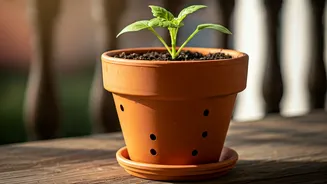
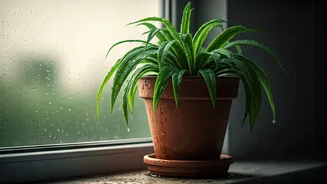
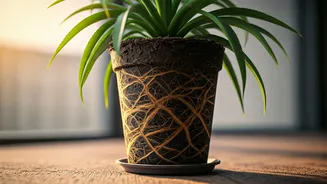
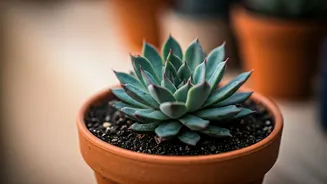
For the millions of Indian homes that rely on balcony and container gardening, understanding drainage is paramount. A pot is a closed system, and you are entirely responsible for its internal environment. The most critical feature of any pot is its drainage holes; if it doesn't have them, it’s a vase, not a planter. Avoid the common mistake of using garden soil or topsoil in containers. It is too dense and compacts easily, preventing water from escaping and air from circulating. Instead, always use a dedicated potting mix, which is a lighter, fluffier blend of ingredients like peat moss, compost, and perlite or vermiculite, designed specifically to balance moisture retention and drainage. And forget the old myth about adding a layer of gravel or broken pottery at the bottom of pots; it doesn't improve drainage and can actually worsen waterlogging by creating a perched water table.
Taming The Monsoon Garden
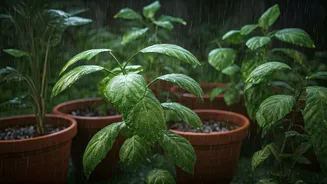
In India, the monsoon brings life but also presents a unique and significant challenge: too much water, too quickly. Waterlogged soil becomes a widespread problem, threatening gardens both in the ground and in containers. To prepare your garden, focus on improving soil structure. Adding plenty of organic matter like compost or well-rotted manure enhances the soil's ability to drain. For garden beds, creating raised beds is one of the most effective solutions, lifting your plants' roots above the soggiest ground. For potted plants, ensure they are not sitting in water-filled saucers and consider elevating them on bricks or stands to improve airflow and allow excess water to drain away freely. During periods of intense rain, you might even need to temporarily move smaller pots to a covered area to prevent them from becoming completely saturated.
Simple Fixes For Better Flow
Improving drainage doesn't always require a complete garden overhaul. For heavy clay soil in the ground, aerating with a garden fork can help break up compaction. You can also amend the soil over time by regularly mixing in compost, which builds better soil structure. Digging small trenches or a French drain can redirect water flow in chronically wet spots. When choosing plants, be realistic about your conditions. If an area is naturally damp, select plants that are more tolerant of wet feet, like certain ferns or hibiscus. For container gardeners, if you have a plant that is repeatedly struggling, the quickest fix is often to repot it into a container with more drainage holes and a fresh, high-quality potting mix. It’s a simple change that can make all the difference.