








The New Map of Indian Beauty
For decades, the beauty industry in India focused its premium efforts on a handful of metropolitan hubs. But the landscape is undergoing a seismic shift. The real growth story is now unfolding in Tier 2 and Tier 3 cities, where a potent combination of rising
aspirations and digital access has created a voracious new consumer base. E-commerce giant Flipkart recently reported that its beauty and personal care category grew by 50% year-on-year, with a staggering two out of every three beauty-related searches originating from non-metro markets. [3, 5] Cities like Cuttack, Gorakhpur, and Kottayam are becoming the new trendsetters, driving demand and shaping purchase decisions that were once dictated by their metro counterparts. [3, 5] This isn't just about a bigger market; it's about a smarter, more democratized one. [11] India's overall beauty and personal care market is projected to swell from its current $27 billion to $39 billion by 2030, with this non-metro surge playing a starring role. [7, 11]
Digital Shelves and D2C Darlings
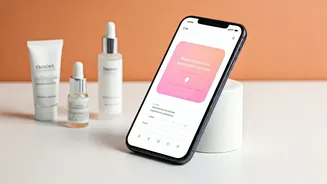
The single biggest catalyst for this boom is the smartphone. E-commerce platforms like Flipkart, Nykaa, and Myntra have effectively placed a global beauty counter in the hands of millions, erasing the geographical barriers that once limited access. [2] Online beauty sales significantly outpaced offline channels in growth last year, and the rise of quick commerce means products can arrive in hours, not days. [6] This digital ecosystem has also fueled the spectacular rise of Direct-to-Consumer (D2C) brands. [16] Companies like Mamaearth and Sugar Cosmetics built their empires on the back of sharp digital marketing, catering to the specific needs of Indian consumers with affordable, relevant products. [13] They understood early on that a consumer in Indore is just as trend-aware as one in Delhi, thanks to a constant stream of content from social media. [9] This has forced a change across the industry, with even global luxury brands now creating specific strategies to reach these markets. [6]
Gen Z: The Informed and Aspirational Shopper
Driving this change is Gen Z, a generation that is not only digitally native but also highly informed and conscious. This cohort now accounts for nearly 60% of all beauty purchases on a platform like Flipkart. [5] Unlike previous generations who might have relied on celebrity endorsements, today's young consumers trust authenticity and peer recommendations. [9, 15] They are diving deep into ingredients, seeking out science-backed formulations, and treating beauty not as an occasional luxury but as a daily ritual of self-care and expression. [2, 9] This shift is evident in search trends, which show high interest in specialized products like serums and sunscreens, including a remarkable 65% growth in the men's grooming category. [4] For Gen Z, a skincare routine is a statement of identity, and they are willing to invest in products that align with their personal goals and values. [9]
The Power of the Regional Influencer
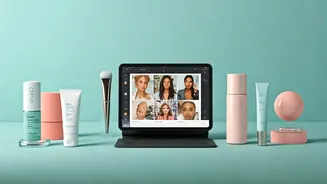
If D2C brands built the infrastructure, regional influencers are building the trust. The era of one-size-fits-all marketing with a single Bollywood star is fading. [15] Today, influence is hyperlocal. [19] Vernacular-language content creators, 'derm-fluencers' (dermatologists), and micro-influencers from smaller cities hold immense sway. [14, 15] Their recommendations are seen as more authentic and relatable because they understand the local context, from cultural nuances to climate-specific skin concerns. [19] Recognizing this, brands are increasingly collaborating with these creators to launch products and build credibility in Tier 2 and Tier 3 markets. [20] Flipkart's decision to take its 'Glam Up Fest' to non-metro cities like Guwahati, attracting hundreds of local creators, underscores this strategic pivot. [5] These influencers are not just selling products; they are educating their audiences and building communities, creating a powerful feedback loop for brands. [18]