



Carrots and spinach are staples in any Indian kitchen, celebrated for their versatility and health benefits. But how do they stack up against each other, and how can we make the most of them in our daily meals? Let's explore their unique strengths.
The Nutritional Showdown
When
it comes to nutrition, both carrots and spinach are powerhouses, but they shine in different areas. Carrots are famously rich in beta-carotene, which the body converts into Vitamin A. This nutrient is crucial for good vision, a strong immune system, and healthy skin. Carrots also provide a good amount of dietary fibre, potassium, and Vitamin K. On the other hand, spinach boasts an incredible profile of vitamins and minerals. It is an excellent source of Vitamin K, which is vital for bone health. Spinach also contains significantly more iron, calcium, folate, and Vitamin C than carrots. Iron is essential for preventing anaemia, while folate supports cognitive function and cell growth. So, while carrots are the undisputed champion for Vitamin A, spinach offers a broader range of minerals and vitamins like iron and calcium.
Flavour, Texture, and Culinary Roles
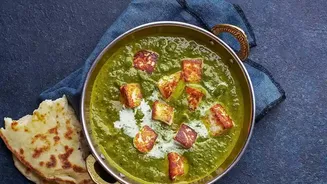
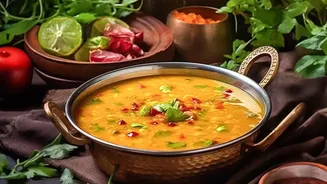
In the kitchen, carrots and spinach play very different roles due to their distinct tastes and textures. Carrots are known for their sweet, earthy flavour and satisfying crunch when raw. When cooked, their sweetness intensifies, making them a versatile ingredient in both savoury and sweet dishes. Think of the classic Gajar ka Halwa, where grated carrots are transformed into a rich dessert, or their use in sabzis and pickles, where they add a subtle sweetness and vibrant colour. Spinach, or 'palak', has a milder, slightly earthy flavour that can have a hint of bitterness. Its texture is delicate and wilts down significantly when cooked. This quality makes it perfect for dishes where it can blend into a gravy or sauce, like the iconic Palak Paneer or Saag. Its ability to absorb the flavours of spices makes it a favourite in dals and curries.
Cooking for Maximum Benefit
How you cook these vegetables can impact their nutritional value. For carrots, light cooking methods like steaming or roasting can actually make the beta-carotene more available for your body to absorb. Over-boiling can lead to the loss of some water-soluble vitamins, so gentle cooking for 5-10 minutes is ideal. When it comes to spinach, a quick cooking time is key. Steaming or sautéing for just a minute or two is enough to wilt the leaves without destroying heat-sensitive nutrients like Vitamin C and folate. This brief cooking also helps reduce oxalic acid, a compound in spinach that can interfere with calcium and iron absorption. Pairing cooked spinach with a source of Vitamin C, like a squeeze of lemon juice, can further enhance iron absorption.
Better Together: The Perfect Pair
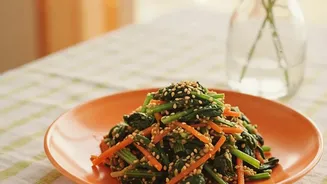
The headline asks about using both, and the good news is that carrots and spinach complement each other beautifully in Indian meals. Their contrasting textures—the firm bite of carrot and the softness of spinach—add complexity to mixed vegetable dishes. Their nutritional profiles also fill in each other's gaps; the Vitamin A from carrots is perfectly complemented by the iron and calcium from spinach. You can find them paired in various recipes across India. A simple carrot and spinach sabzi, where both are lightly spiced and sautéed, makes for a quick and healthy side dish. They are also commonly used together in flavourful pilafs, adding colour, nutrients, and taste to the rice. You can even find them in modern takes on traditional snacks like bhajis, where grated carrot and chopped spinach are mixed into a spiced chickpea flour batter and fried.