


Spain remains one of the world's most beloved travel destinations, but its popularity has a downside. From Barcelona to the Balearic Islands, overtourism is straining local resources and patience, leading to new rules and a changing visitor experience.
The Bigger Picture: A Nation at a Crossroads
Spain's challenge is balancing a tourism industry that accounts for a significant portion of its GDP with the well-being of its residents and the preservation of its cultural treasures. In recent years, cities like Barcelona, Seville, and Palma de Mallorca have seen large-scale protests. Locals are voicing frustration over soaring housing costs driven by short-term rentals, congested public spaces, and environmental strain on resources like water. This sentiment isn't anti-tourist, but anti-mass-tourism. It's a call for a more sustainable model. For travellers, this means that visiting Spain's iconic sites now requires more planning and awareness than ever before.
Barcelona: Navigating Gaudí's Crowded Jewels
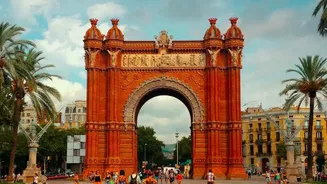
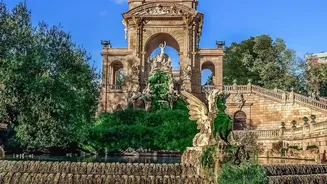
Barcelona is the epicentre of Spain's overtourism debate. Antoni Gaudí's masterpieces, the Sagrada Família and Park Güell, are magnificent but require careful planning. Both operate on a strict timed-entry system, and turning up without a ticket often means you won't get in. For the Sagrada Família, it’s wise to book tickets online weeks, if not months, in advance, especially for a visit that includes the towers. Visitors are expected to maintain a respectful, quiet demeanour inside the active church. Park Güell also limits capacity, with a maximum of 700 people allowed per 30-minute slot, and tickets should be booked well ahead of your trip. Once you enter the monumental zone, you can stay as long as you like, but re-entry is not permitted.
Andalusia: The Alhambra and Seville's Squeeze
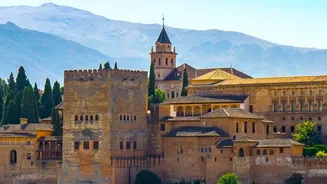
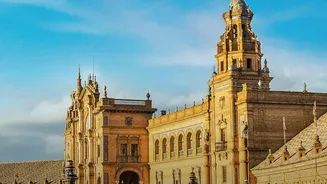
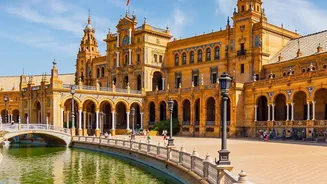
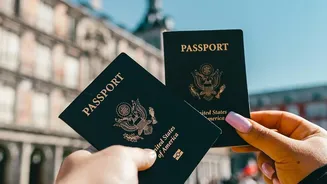
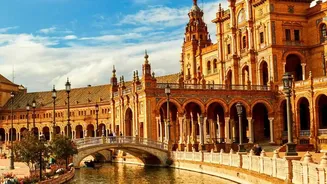
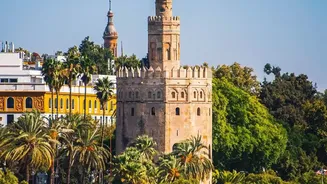
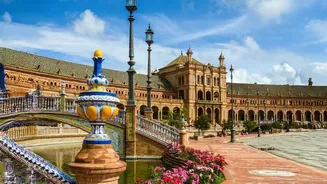
In Granada, the Alhambra Palace is a breathtaking example of Moorish architecture, but visiting is a logistical exercise. Tickets are highly sought after and must be booked months in advance, with a specific, unmissable time slot for entry to the main attraction, the Nasrid Palaces. Be sure to bring the same ID or passport you used to book your ticket, as it will be checked. In Seville, the third most-visited city in Spain, crowds choke the historic centre, particularly during the popular spring season. The city is even considering charging tourists an entry fee for the famous Plaza de España to fund its conservation. To have a better experience, try visiting in the shoulder months of October or November, explore neighbourhoods beyond the main tourist triangle like Macarena or Triana, and book the first entry slot of the day for major sites like the Royal Alcázar.
The Islands: Paradise Under Pressure
The Canary and Balearic Islands are also grappling with the effects of mass tourism. In places like Mallorca and Ibiza, protests have become common as residents rally against the impact of visitor numbers on housing affordability, public services, and the environment. While these islands are still beautiful holiday destinations, the mood has shifted. Visitors can make a positive impact by choosing to travel in the off-season, staying in locally owned accommodations rather than large international chains, and venturing away from the main resort areas to support smaller businesses inland. These actions help distribute the economic benefits of tourism more evenly and reduce pressure on the most overstrained spots.
Your Guide to a Better Spanish Holiday
Being a responsible tourist in Spain today is about smart planning and mindful choices. The most effective strategy is to travel during the shoulder seasons (spring and autumn, avoiding major holidays) or winter, when crowds are thinner and prices are lower. Consider exploring beyond the headline acts. Instead of queuing at the Alhambra, discover the Renaissance wonders of Úbeda and Baeza. Swap the packed beaches of the Costa del Sol for the wilder sands of the Costa de la Luz. Learning a few basic phrases in Spanish, using public transport, and drinking tap water from a reusable bottle are small gestures that show respect and reduce your environmental footprint. By giving back more than you take, you help ensure these treasured places retain their magic for years to come.