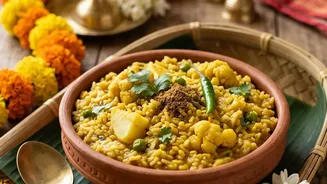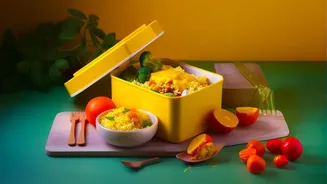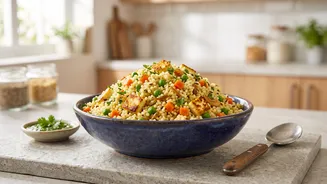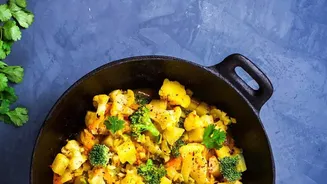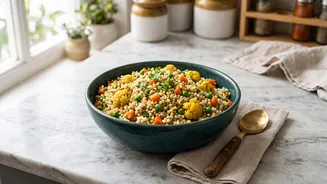


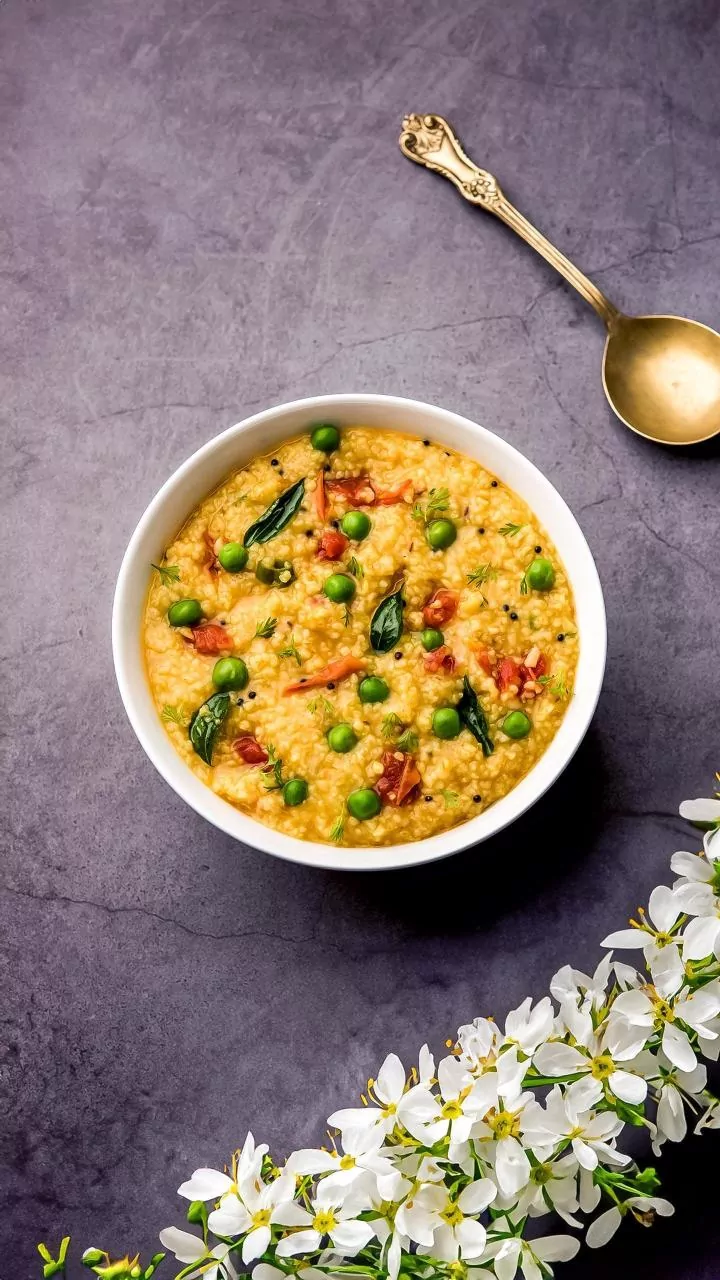

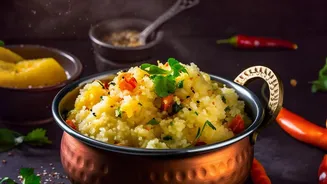
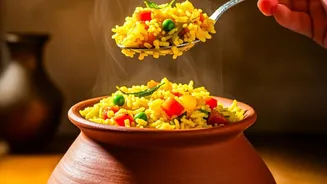
Move over, rice. There’s a new grain taking centre stage in the world of one-pot meals. Warm, fluffy, and packed with vegetables, millet pulao is emerging as a wholesome main course that is both satisfying and incredibly nutritious.
What Exactly Are Millets?
Millets are a group
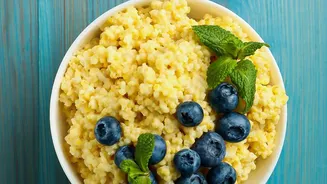
of small-seeded ancient grains that have been a staple in Indian diets for thousands of years. Often referred to as 'nutri-cereals', they are incredibly resilient crops, thriving in conditions where rice and wheat might struggle. In India, the common varieties you might encounter include Foxtail Millet (Kangni/Thinai), Pearl Millet (Bajra), Finger Millet (Ragi), Barnyard Millet (Sanwa), and Kodo Millet (Varagu), among others. Once seen as a humble food, millets are now celebrated for their impressive nutritional profile and their gluten-free nature, making them a popular choice in modern, health-conscious kitchens.
The Nutritional Edge Over Rice
When you swap rice for millet in your pulao, you are making a significant nutritional upgrade. Millets generally contain more protein and fibre than polished white rice. For instance, foxtail millet has nearly double the protein of milled white rice. This high fibre content aids digestion and promotes a feeling of fullness, which can help with weight management. Furthermore, millets have a lower glycemic index compared to white rice, meaning they release sugar into the bloodstream more slowly. This makes millet pulao a smarter choice for managing blood sugar levels. They are also rich sources of essential minerals like iron, calcium, and magnesium.
Making It a Complete Main Meal
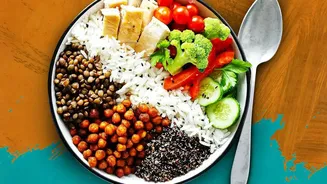
A dish becomes a 'main meal' when it offers a balanced mix of macronutrients: carbohydrates, protein, and fats, along with essential vitamins and minerals. A simple vegetable pulao made with millet already provides complex carbohydrates and some plant-based protein from the grain itself. The magic happens when you load it with a variety of vegetables like carrots, peas, beans, and potatoes. This not only adds flavour, texture, and colour but also boosts the vitamin and mineral content. To make it even more complete, consider adding a protein source like paneer, chickpeas, or soya chunks. This combination ensures your millet pulao is a well-rounded, satiating meal that can stand proudly on its own, without needing an elaborate spread of side dishes.
Tips for the Perfect Millet Pulao
Cooking with millets is simple, but a few tips can ensure a fluffy, delicious result every time. Rinsing the millet thoroughly before cooking is crucial. Soaking is also recommended for many varieties, typically for at least 30–60 minutes, as it helps with digestion and ensures even cooking. The water–to–millet ratio is key; a common starting point for foxtail millet is 1 cup of millet to 2 cups of water. Using too much water can result in a mushy texture. Start by sautéing whole spices like cinnamon, cloves, and cumin seeds in ghee or oil to build a flavourful base. Add your onions, ginger–garlic paste, and vegetables before stirring in the drained millet. After adding water and salt, cook covered on a low flame until the liquid is absorbed and the grains are tender. Allowing the pulao to rest for a few minutes after cooking before fluffing it with a fork will give you perfectly separate grains.