






The Great Exchange: Rain for Moonlight
For months, India anticipates the monsoon, a season that replenishes the land and provides a much-needed respite from scorching summer heat. It is a phenomenon that has dictated life and agriculture on the subcontinent for millennia. Yet, this welcome
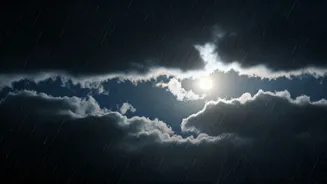
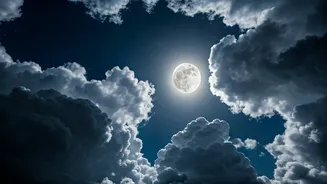
arrival brings a profound shift in the nocturnal landscape. The sharp, silver disc of the full moon, or Purnima, a constant presence in the cultural and spiritual life of the nation, retreats behind a thick, often impenetrable, blanket of clouds. This is not a disappearance but an obscuring, an exchange of celestial light for terrestrial lifeblood. The very clouds that promise a bountiful harvest also hide the lunar glow that guides festivals and personal moments of reflection.
The Science of a Hidden Sky
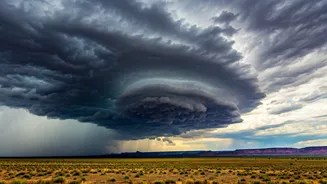
The change is a matter of simple meteorology with a dramatic effect. The southwest monsoon is characterized by vast, low-altitude cloud formations, such as nimbostratus clouds, laden with moisture. Unlike the high, wispy cirrus clouds of other seasons that might create a gentle halo, monsoon clouds are dense and opaque, effectively blocking most visible light from passing through. Atmospheric moisture and aerosols already dim celestial objects, a process known as atmospheric extinction. During the monsoon, this effect is amplified exponentially by the sheer volume of water vapor and cloud cover. While stargazing is generally not ideal during this season, there are moments after a downpour when the air is washed clean, offering brief, breathtaking windows of clarity.
Purnima in the Time of Monsoon
The full moon, or Purnima, is a deeply auspicious day in the Hindu calendar, symbolizing completion, prosperity, and spiritual enlightenment. It is a time for fasting, rituals, and acts of charity. Several important Purnimas fall squarely within the monsoon months. Guru Purnima, which in 2026 will be celebrated on July 29, is a day to honor teachers and spiritual guides. Traditionally, many celebrations and rituals would take place under the bright light of the moon. During the monsoon, these practices adapt. Courtyard gatherings may move indoors, and the focus shifts from the visual spectacle of the moon to the internal significance of the day. One text notes that during the Ashadha month (June-July), the sky is often covered by a thick blanket of clouds, and when the moon finally shines through on Purnima, it is seen as dispelling the darkness.
A Shift in Senses and Art
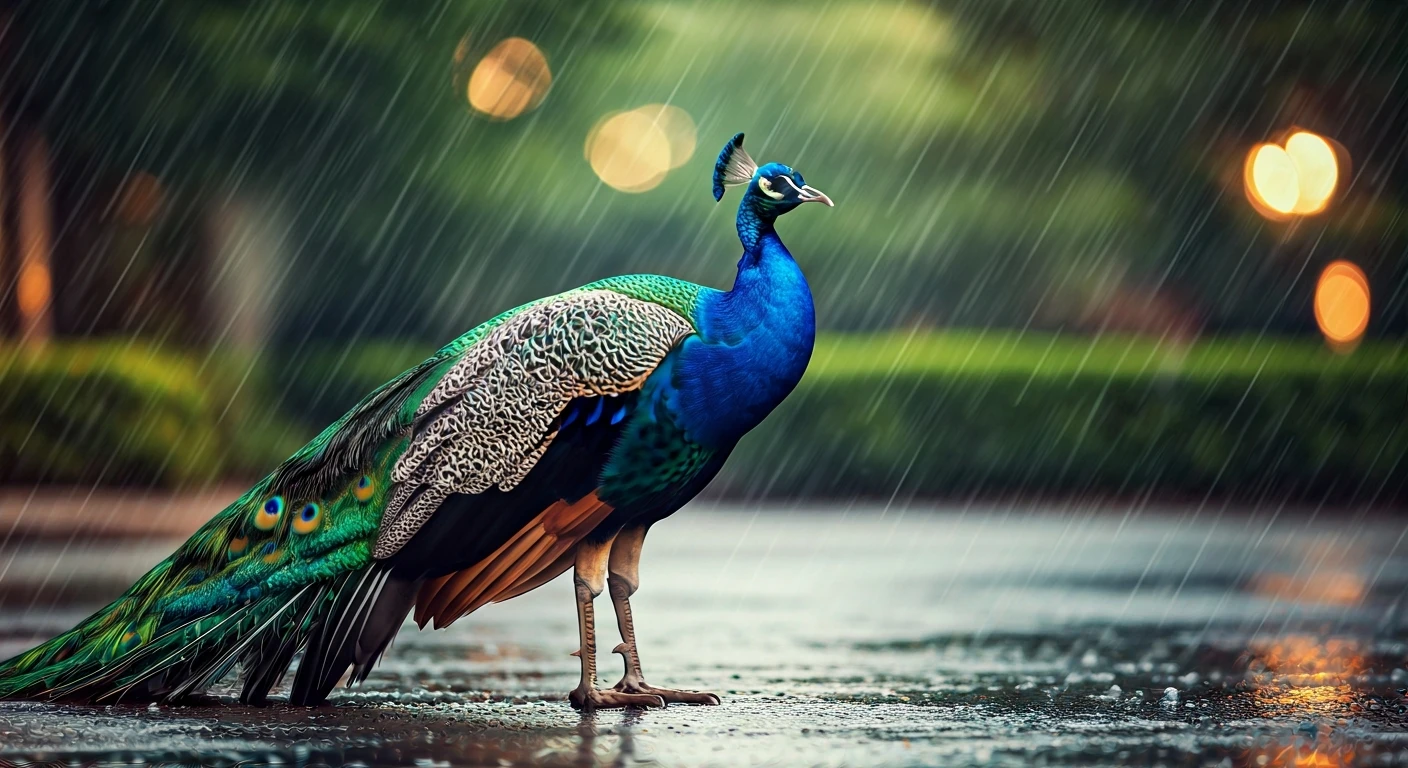
The obscured moon changes the sensory experience of the night. The world is no longer defined by sight but by sound and smell—the rhythmic drumming of rain, the earthy scent of petrichor, the chorus of frogs. This mood has been a powerful muse for centuries of Indian poetry, music, and art. The 'viraha' (longing for a separated lover) of classical literature is often set against a dark, rainy night where the hidden moon amplifies the sense of yearning. The experience becomes more intimate and introspective. Instead of looking up and outward at a vast cosmos, the monsoon encourages a turning inward, a contemplation fostered by the enclosure of rain and cloud. It’s a reminder that beauty isn’t just in what we see, but in the entire atmosphere a season creates.
An Eager Wait for Clarity
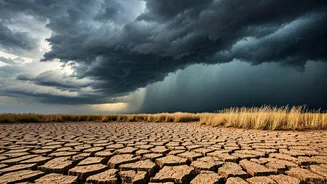
The 2026 monsoon season has begun its advance across the country, though forecasts suggest it may be tempered by developing El Niño conditions, with rainfall potentially below the long-period average. Recent satellite images in late June have even shown weaker-than-usual cloud formation over some parts of India. For sky-watchers, this might offer more chances for a glimpse of the moon. For farmers, it is a source of concern. This tension highlights our dual reliance on both the rain and the predictable rhythms of the sky. The moments when the clouds part to reveal the full moon become even more precious, a fleeting spectacle that feels earned after days of rain. It creates a sense of anticipation that culminates in the crisp, clear skies of autumn, when festivals like Sharad Purnima celebrate the moon in its full, unobscured glory.