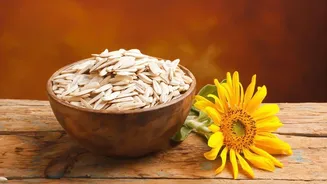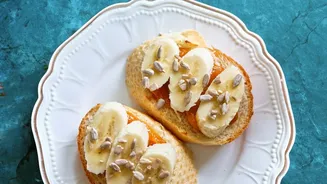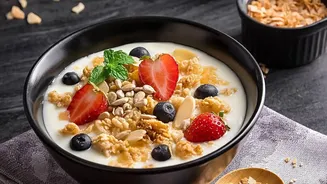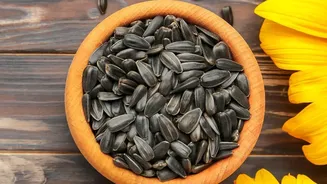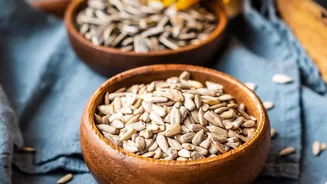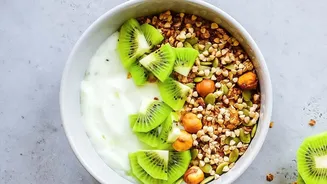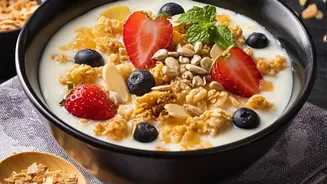


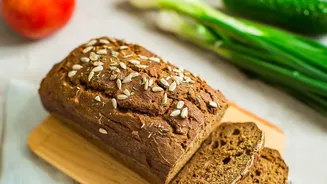
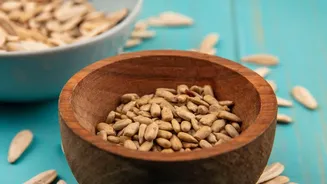
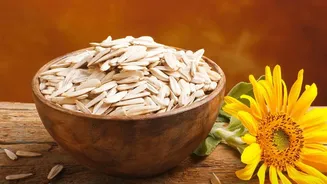
Sprinkling a spoonful of sunflower seeds over your morning oatmeal or yogurt has become a popular health hack. They're praised as a tiny superfood, but can this one addition truly safeguard your heart? Let's look beyond the hype.
The Power Packed Into a Tiny Seed
There's a good reason
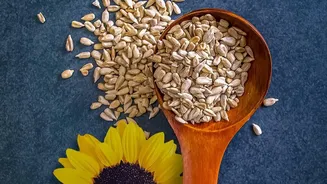
sunflower seeds have earned a healthy reputation. They are a nutritional powerhouse, rich in nutrients that are known to support cardiovascular health. One of their star components is Vitamin E, a powerful antioxidant that helps protect the body's cells from damage and reduces inflammation, a known risk factor for heart disease. These seeds are also a fantastic source of healthy fats, particularly monounsaturated and polyunsaturated fats like linoleic acid. Studies suggest these fats play a role in lowering 'bad' LDL cholesterol levels. Furthermore, they are packed with magnesium, a mineral that helps regulate blood pressure by relaxing blood vessels. Add in a decent amount of plant-based protein, fibre, and other minerals like selenium, and it's clear these seeds offer a significant nutritional punch.
When a Good Thing Becomes a Problem
Despite their benefits, it's easy to go overboard. Sunflower seeds are calorie-dense, meaning a small portion contains a high number of calories. A standard serving is about a quarter cup of shelled seeds, which comes in at roughly 165-175 calories. Mindlessly snacking can quickly lead to excess calorie intake and potential weight gain. Another major pitfall is sodium. Many commercially available sunflower seeds are roasted and heavily salted. A high-sodium diet is a well-established contributor to high blood pressure, putting strain on your heart and arteries. If you choose to eat them, opt for raw or dry-roasted, unsalted varieties to reap the benefits without the added risk.
The Myth of the Magic Bullet
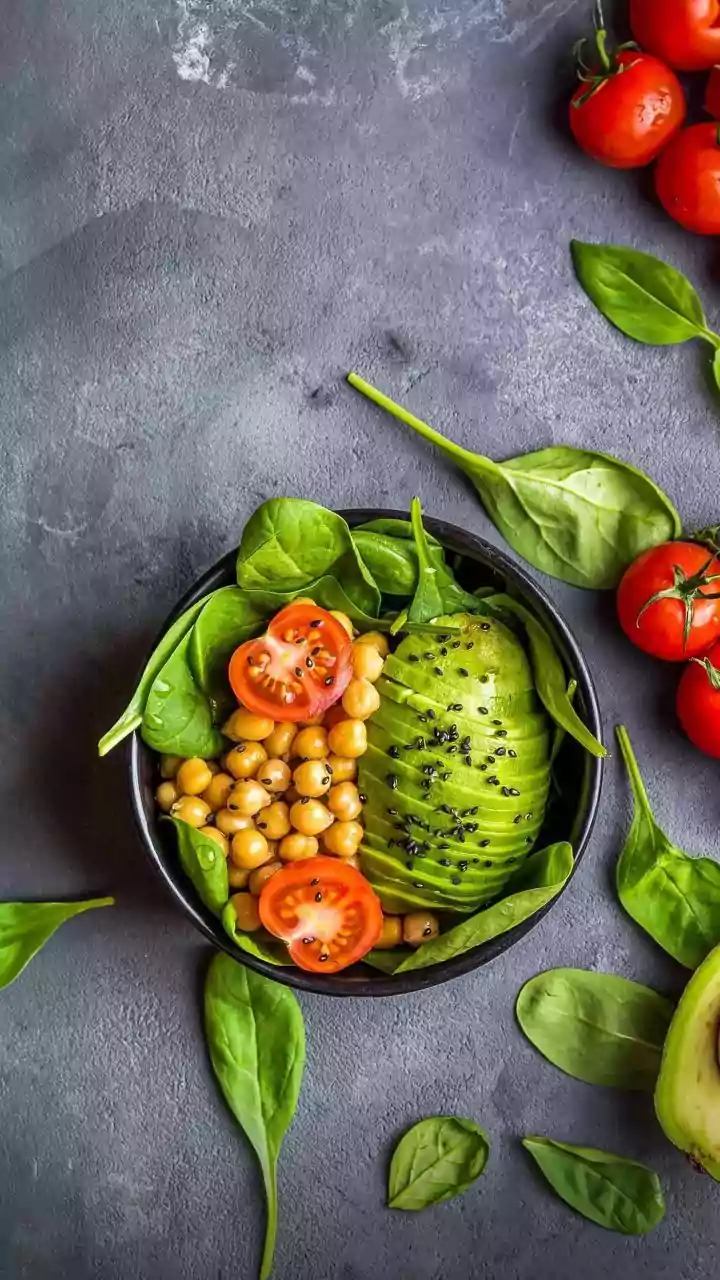
This brings us to the core of the issue: no single ingredient, not even one as nutritious as a sunflower seed, can act as a magic bullet for heart health. True cardiovascular wellness is not about one 'superfood'; it is about your entire dietary pattern and lifestyle. Health experts consistently point to holistic approaches like the Mediterranean diet or the DASH (Dietary Approaches to Stop Hypertension) diet. These eating plans don't focus on a single ingredient but rather on a broad foundation of whole foods. They emphasize a high intake of fruits, vegetables, whole grains, and lean proteins while minimizing processed foods, added sugars, and unhealthy fats. A handful of sunflower seeds is a great addition to this pattern, but it cannot compensate for a diet that is otherwise high in fried foods, sugar, and refined carbohydrates.
Building a Truly Heart-Healthy Plate
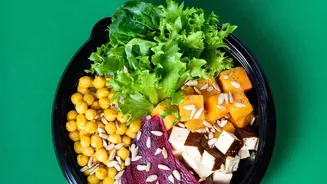
Instead of hyper_focusing on one ingredient, think about building a better breakfast and a better diet overall. If you enjoy sunflower seeds, incorporate a sensible portion—about one to two tablespoons—into your meals. Sprinkle them on a salad, stir them into dalia or oatmeal, or blend them into a smoothie. The goal is to see them as one component of a varied and colourful plate. For a heart_healthy breakfast, pair them with other beneficial foods. Consider a bowl of oatmeal for its soluble fibre, which helps lower cholesterol, topped with berries for antioxidants and a dollop of Greek yogurt for protein. This combination provides a much wider spectrum of nutrients than seeds alone. The key is synergy—making sure different foods work together to support your health.