


Why the Monsoon Messes with Your Gut
The monsoon's high humidity and dampness create the perfect environment for bacteria and viruses to thrive. This increases the risk of water and food contamination, leading to a spike in digestive issues like bloating, acidity, diarrhoea, and food poisoning.
Ayurvedic wisdom suggests that our digestive fire, or 'Agni', naturally weakens during this season, making it harder for our bodies to process food efficiently. This slowdown can lead to an accumulation of metabolic waste, making us feel sluggish and more susceptible to infections. With around 70-80% of our immune system located in the gut, it's clear that supporting digestive health is our first line of defense during the rainy season.
The Fermentation Fix: Probiotics to the Rescue
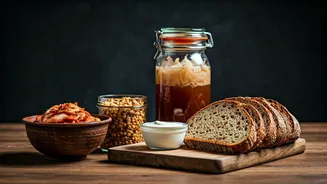
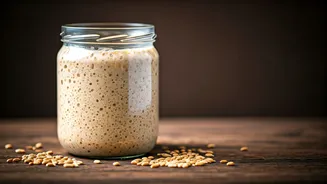
This is where fermented foods come in as a powerful, natural solution. These foods are packed with probiotics, which are live, beneficial bacteria that help restore balance to our gut microbiome. A healthy gut flora enhances digestion, improves the absorption of nutrients, and strengthens our immune response to fight off harmful pathogens common during the monsoon. Incorporating probiotic-rich foods is a time-tested strategy to keep your digestive system robust and resilient against seasonal illnesses.
Dahi and Chaas: The Daily Essentials
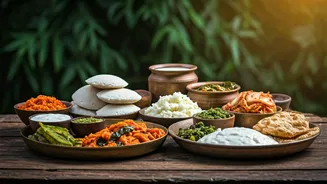
Perhaps the most accessible fermented foods in any Indian household are dahi (curd) and chaas (buttermilk). Homemade curd is a powerhouse of lactic acid bacteria that aids digestion and can prevent common stomach ailments. Chaas, its lighter and more hydrating cousin, is particularly soothing for the stomach in humid weather, helping to alleviate bloating and acidity. A daily serving of either can significantly contribute to maintaining a healthy gut balance.
South Indian Staples: Idli and Dosa
The beloved South Indian duo of idli and dosa are more than just a delicious breakfast. Made from a fermented batter of rice and lentils, the fermentation process not only makes them light and easy to digest but also enriches them with probiotics. This process breaks down the starches and proteins, increasing the bioavailability of nutrients like B vitamins. Choosing freshly steamed idlis or crisp dosas made from a well-fermented batter is an excellent way to nourish your gut.
Beyond the Breakfast Table: Dhokla, Kanji, and Pickles
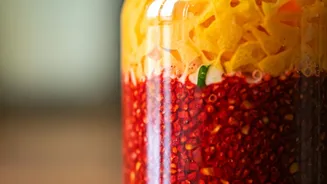
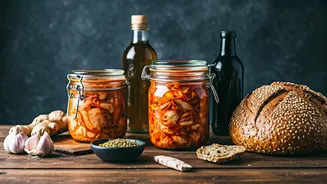
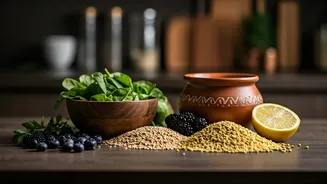
Fermented goodness is found across India in various forms. Dhokla, a steamed snack from Gujarat made with fermented chickpea flour, is light, protein-rich, and easy on the digestive system. Kanji, a tangy North Indian drink made from fermented black carrots or beetroot, is rich in antioxidants and probiotics that can survive stomach acid to benefit the intestines. Even traditional homemade pickles (achar), when consumed in moderation, can be a source of beneficial bacteria. These lacto-fermented pickles, made without vinegar, support digestion and add a flavourful kick to meals.
Forgotten Treasures: Fermented Rice
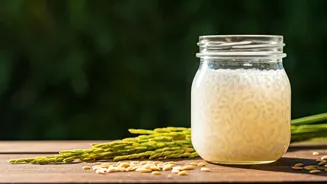
An age-old tradition in eastern and southern India involves fermenting leftover cooked rice overnight in water. Known as Panta Bhat, Poita Bhat, or Pazhamkanji, this humble dish is a potent probiotic food. Consumed the next day, it is incredibly hydrating, easy to digest, and helps replenish beneficial gut bacteria. It's a perfect example of how simple, traditional practices hold profound benefits for our health, especially during challenging seasons like the monsoon.