



A Canvas of Monuments
The India Art, Architecture & Design Biennale (IAADB), now officially styled as the India Biennale, is returning for its second edition, and this time, the ambition is monumental. From December 4, 2026, to March 21, 2027, the festival will transform the national
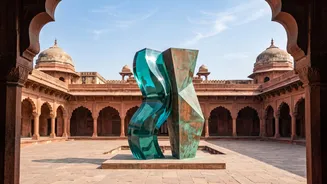
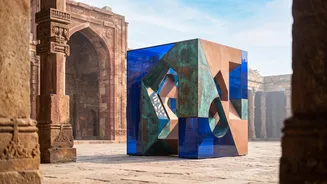
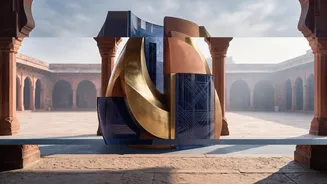
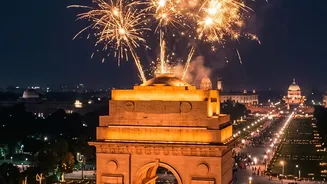
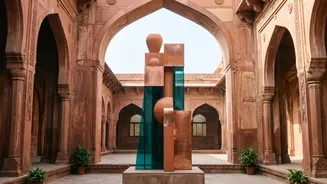
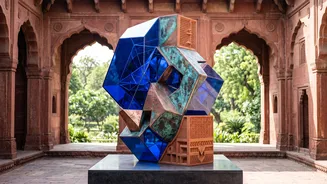
capital into an open-air gallery, using its most storied heritage sites as the backdrop for contemporary creative expression. Organized by the Ministry of Culture, the 108-day event moves beyond the confines of traditional galleries, creating a direct dialogue between India's rich architectural past and its dynamic artistic future. The core idea is to place modern art where it is least expected, inviting visitors to experience history not as a static relic, but as a living, breathing entity in conversation with the present.
What to Expect
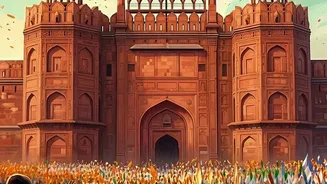
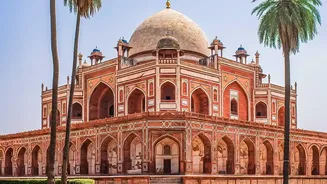
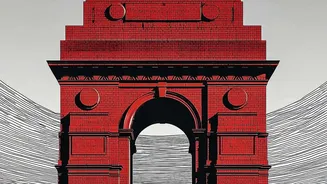
The curatorial theme for the 2026 edition is 'Tat Tvam Asi' or 'You Are That', a concept focused on reconnecting in an age of distraction. Artists and designers from India and over 20 other countries will present works that encourage viewers to slow down and engage with their surroundings. The primary hub of the festival will be Purana Qila (Old Fort), but the creative energy will ripple across the city. Satellite venues include UNESCO World Heritage Sites like the Red Fort, Qutub Minar, and Humayun's Tomb, alongside other landmarks such as Safdarjung Tomb, Lodhi Garden, Jantar Mantar, and Agrasen Ki Baoli. This city-wide takeover ensures that whether you are a dedicated art aficionado or a curious passerby, the Biennale will be an unmissable part of Delhi's cultural landscape.
More Than Just an Exhibition
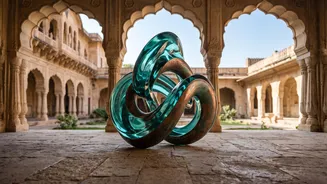
Following the precedent set by events like the Kochi-Muziris Biennale, which is acclaimed for its use of heritage spaces, the India Biennale aims to be an immersive cultural experience. The programme is not limited to static displays. It will feature site-specific installations, design pavilions, immersive light projections, heritage walks, and performances. Major cultural institutions like the National Museum, National Gallery of Modern Art (NGMA), and the Indira Gandhi National Centre for the Arts (IGNCA) will also host events, creating a dense network of creative hubs. This multi-disciplinary approach, spanning art, architecture, and design, aims to make contemporary culture accessible and engaging for a broad public audience, turning the entire city into a platform for discovery.
A Global and Local Dialogue
The Biennale is a collaboration on a massive scale, involving a public-private partnership that brings together government bodies, private foundations, galleries, and international embassies. Confirmed participating countries include France, Italy, and Switzerland, who will bring their own artistic voices to Delhi's historical settings. Leading Indian cultural institutions like the Kiran Nadar Museum of Art, the Gujral Foundation, and the Nita Mukesh Ambani Cultural Centre (NMACC) are also deeply involved, presenting curated exhibitions within the festival. This blend of global perspectives and local creative power ensures a rich and diverse offering, from an 18th century Mahabharata scroll presented by DAG at the Red Fort to contemporary installations at Purana Qila.