







Why Proof of Booking is Non-Negotiable
Gone are the days of tentative travel plans. For many travelers to Saudi Arabia, providing proof of accommodation and return flights is a mandatory part of the visa application process. This requirement is designed to ensure visitors have a clear and credible
itinerary. However, this official paperwork serves a second, more critical purpose for the traveler: it is your first line of defence against fraudulent travel packages. The rise in tourism has unfortunately been accompanied by an increase in scams, particularly for Hajj and Umrah pilgrimages, where unlicensed agents sell fake packages or provide substandard accommodation. Insisting on verifiable booking confirmations before making a final payment helps separate legitimate, licensed operators from dishonest ones.
How to Independently Verify Your Bookings
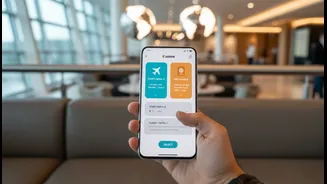
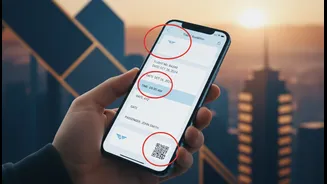
A confirmation email from a travel agent is a good start, but it isn't enough. The safest approach is to verify every component of your trip directly with the providers. After receiving your booking reference numbers or PNRs, contact the airline and hotel yourself. Call them or use the “manage my booking” feature on their official websites to confirm that a reservation exists under your name and that it has been fully paid for. This simple check can expose common scams, such as agents who provide vague details like “a five-star hotel near the Haram” without naming a specific property. If an agent is reluctant to provide these details, consider it a major red flag and walk away.
The Crucial Role of Customer Support
When you are thousands of miles from home, accessible and effective customer support is invaluable. Before booking a package, test the agency’s support channels. Do they have a clear phone number and a physical address? Are their responses prompt and helpful? A reputable agency must be licensed by the Saudi Ministry of Tourism and should be able to provide its registration number for verification. These licenses ensure the business is legitimate and adheres to specific standards. Avoid operators who communicate only through social media or messaging apps and pressure you into making quick decisions with “cash-only” deals. Legitimate businesses offer traceable payment methods like credit cards or bank transfers to a company account, which provide a layer of financial protection.
Decoding the Fine Print on Refunds
A travel deal is only as good as its refund policy. Before you commit, you must read and understand the terms and conditions for cancellations and refunds. Policies can vary dramatically between providers. It is common for service fees to be non-refundable, especially if a visa application is rejected by authorities, as this is beyond the agent's control. Many agencies also have strict no-refund clauses for cancellations made within a certain window before travel. Look for a clear, written policy that outlines fees for changes and the process for getting your money back if the operator fails to deliver the promised services. Be wary of vague promises; everything should be documented. The Saudi Tourism Law does provide for consumer rights, including refunds if a facility closes, but prevention is far easier than seeking recourse later.
Protecting Your Pilgrimage and Holiday
For those undertaking Hajj or Umrah, the financial and emotional stakes are incredibly high. Saudi authorities have increasingly directed pilgrims to use official channels like the Nusuk platform to book and manage their journey, a move designed to curb fraud. Whether for pilgrimage or tourism, the core advice remains the same: book with licensed agencies, demand written contracts, pay through secure methods, and independently verify all bookings. A deal that seems too good to be true often is. By taking these diligent steps, you can protect your investment and ensure your focus remains on the spiritual or cultural experience ahead, not on logistical nightmares.