






What is a Yoga Marathon?
Forget running shoes and finish lines. A ‘yoga marathon’ isn't about covering kilometres. Instead, it’s an endurance event of a different kind, typically centred around completing a set number of asanas or sequences. The most common format is the 108
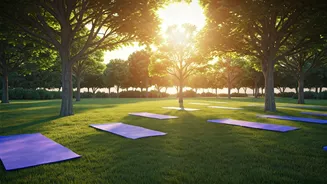
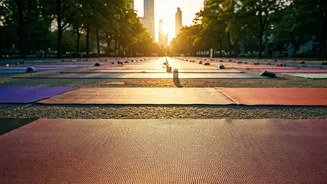
Surya Namaskar (Sun Salutation) challenge. This number holds spiritual significance in Hinduism and yoga philosophy, representing a cosmic and human connection. Completing 108 rounds is a test of physical stamina, mental focus, and breath control. These events, often lasting two to three hours, are less a competition against others and more a collective journey. They take place in iconic public spaces—from Mumbai’s Marine Drive to Bengaluru’s Cubbon Park—transforming them into open-air yoga studios for a morning.
From Solitude to Spectacle
Traditionally, yoga is often portrayed as a deeply personal and solitary pursuit—a practice undertaken on a mat in the quiet of one's home or a serene ashram. The rise of the yoga marathon signals a significant cultural shift. It pulls the practice out of its private shell and places it firmly in the public domain, turning it into a communal spectacle. This modern interpretation is vibrant, loud (often with accompanying music), and highly visible. Critics might argue that this commercialises and dilutes the spiritual essence of yoga. However, proponents see it differently. For them, it’s an evolution, making the practice more accessible and less intimidating for newcomers who might be hesitant to walk into a formal studio. The large-scale, festival-like atmosphere creates a welcoming entry point for the yoga-curious.
The Power of Collective Energy
So, why would hundreds of people choose to perform gruelling repetitions of sun salutations together? The answer, according to participants, lies in the energy of the collective. There's a palpable sense of shared purpose and motivation that you simply can't replicate alone in your living room. When fatigue sets in around the 70th sun salutation, a glance around at the sea of determined faces provides the strength to continue. Organisers often amplify this with live, rhythmic music and instructors who guide the flow with encouraging words. This shared experience fosters a powerful sense of community, binding strangers together through sweat and synchronised breathing. In an increasingly fragmented urban landscape, these events offer a rare opportunity for genuine connection, rooted in a shared goal of wellness and self-challenge.
More Than Just a Fitness Fad
While the physical challenge is undeniable, participants often report that the benefits go far beyond a good workout. The repetitive, flowing movement combined with focused breathing induces a meditative state, often referred to as ‘flow.’ It’s a space where the mind quiets down, and the constant chatter of daily anxieties fades away. Many describe the feeling after completing the marathon as one of profound calm, mental clarity, and emotional release. This blend of intense physical exertion and mental stillness is the event's unique selling proposition. It’s not just about burning calories; it’s about pushing past perceived limits, both physical and mental. In this context, the ‘marathon’ becomes a powerful metaphor for overcoming life's obstacles, one breath and one movement at a time.
The Business of Zen
The growing popularity of yoga marathons has not gone unnoticed by the booming wellness industry. These events are often sponsored by lifestyle brands, sportswear companies, and health food startups. Event entry fees, branded merchandise, and partnerships with yoga studios are creating a new commercial ecosystem around the practice. While this business aspect ensures the events are well-organised and can scale up, it also raises questions about authenticity. Is the primary goal wellness, or is it profit? For now, the two seem to coexist. Most events successfully balance commerce with community, offering a high-quality experience that leaves participants feeling invigorated rather than exploited. As the trend matures, maintaining this balance will be the key challenge for organisers.