





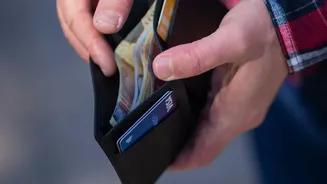

The Invisibility of Digital Money
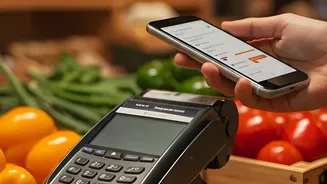
The Unified Payments Interface (UPI) has made life incredibly convenient, but it has also made spending almost frictionless. When you physically hand over cash, your brain registers a tangible loss. Studies have shown that this 'pain of paying' is significantly
reduced with digital transactions. A quick scan of a QR code doesn't feel like real spending, and research highlights that many people spend more after adopting UPI because they don't 'feel' the money leaving their account. This psychological gap is where micro-spends—the daily ₹50 for a coffee or a ₹100 autorickshaw ride—thrive, creating a steady, invisible leak in your finances.
Budget for Joy, Not Just Bills
The common reaction to overspending is to clamp down and cut all 'unnecessary' expenses. But this approach often backfires, leading to feelings of deprivation and eventual budget failure. The secret isn't to eliminate small indulgences; it's to plan for them. The goal is to move from mindless, impulsive spending to intentional, guilt-free enjoyment. By allocating a specific amount for your daily chai, street food cravings, or that book you’ve been eyeing, you transform a spontaneous, potentially regrettable purchase into a planned part of your financial life. This gives you permission to enjoy your money while staying in full control.
Adopt the Digital Envelope Method
A powerful strategy is the modern version of the classic envelope system. Instead of stuffing cash into physical envelopes for different expenses, you create virtual ones. Set up a separate, secondary bank account linked to your UPI app, or use a digital wallet. At the beginning of the week or month, transfer a fixed amount into this account specifically for your discretionary spending—your 'fun money'. Use this account for all your micro-spends. Once the money in that account is gone, your spending in that category stops until the next top-up. This creates a hard limit that doesn't rely on willpower alone.
Make Your Spending Visible Again
The key to taming micro-spends is to make them visible. While UPI makes spending feel invisible, it also creates a perfect digital record of every transaction. Get into the habit of a two-minute daily review. Before bed, simply scroll through the transaction history in your UPI app. This simple act rebuilds the awareness that frictionless payments remove. For more detailed tracking, several budgeting apps available in India can automatically read your transaction SMS alerts and categorise your spending, giving you clear charts of where your money is going. Apps like FinArt, Jupiter, or Money Manager can provide daily or weekly spending summaries that highlight patterns you might have missed.
Implement Simple Friction Rules
To combat impulse buys, deliberately reintroduce a small amount of friction into your spending process. One of the most effective methods is the '24-hour rule'. If you see a non-essential item you want to buy, wait 24 or even 48 hours before purchasing it. Often, the initial urge fades, and you realise you didn't need it after all. Another strategy is to set spending limits directly within your banking or UPI app. Many banks allow you to lower your daily transaction limit, adding a safeguard against a sequence of rapid-fire purchases. This creates a pause, forcing you to consider if a purchase is truly worth it.