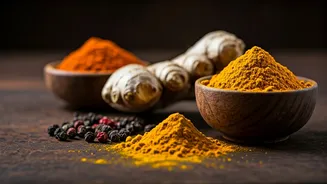






Turmeric (Haldi): The Golden Healer
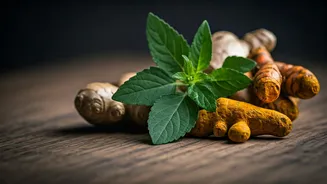
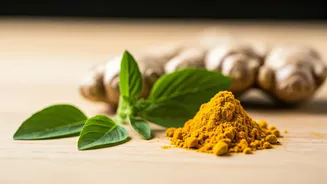
No Indian kitchen is complete without turmeric, and for good reason. This vibrant yellow spice is more than just a colouring agent for your curries; it’s a powerhouse of wellness. The magic lies in its active compound, curcumin, which has potent anti-inflammatory
and antioxidant properties. During the monsoon, when the damp environment can lead to a higher risk of infections, a strong immune system is your best friend. Turmeric helps bolster your body’s natural defences, making it harder for common colds, coughs, and throat infections to take hold. The anti-inflammatory nature of curcumin can help soothe a sore throat and reduce the respiratory discomfort that often accompanies seasonal bugs. It also supports liver function, which is crucial for detoxifying the body. Incorporating turmeric into your daily diet is simple. The most iconic way is through ‘haldi doodh’ or golden milk—a warm, comforting drink made by mixing a teaspoon of turmeric powder into a glass of hot milk. You can also add a pinch of fresh or powdered turmeric to your morning tea, soups, and vegetable preparations to keep its benefits flowing through the season.
Ginger (Adrak): The Digestive Fire
As the humidity rises during the monsoon, our digestive system, or 'agni' in Ayurveda, tends to slow down. This can lead to indigestion, bloating, and a general feeling of sluggishness. This is where ginger, or adrak, comes to the rescue. Revered for centuries for its digestive and carminative properties, ginger is a non-negotiable part of a monsoon wellness kit.
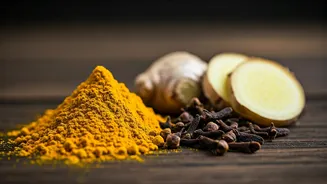
Its active ingredient, gingerol, is responsible for its distinctive pungent flavour and most of its medicinal benefits. Ginger stimulates the production of digestive enzymes, helping your body break down food more efficiently and preventing the discomfort of a sluggish gut. Its warming nature also helps combat the 'cold' and 'damp' qualities of the monsoon, promoting a sense of internal warmth and comfort. Furthermore, ginger is an excellent remedy for nausea and a powerful anti-viral agent, making it effective against the throat and chest congestion common during this time. A cup of hot adrak chai is the quintessential monsoon beverage, but you can also chew on a small piece of fresh ginger with a pinch of salt before meals to kickstart digestion, or add grated ginger generously to your dals and sabzis.
Black Pepper (Kali Mirch): The Bio-Enhancer
Black pepper may seem like a simple seasoning, but its role in monsoon wellness is surprisingly sophisticated. Known as the 'King of Spices,' it is much more than a companion to salt. Its primary benefit comes from piperine, the compound that gives pepper its characteristic heat. Piperine is a powerful 'bio-enhancer,' which means it significantly increases the absorption and effectiveness of other nutrients and compounds.
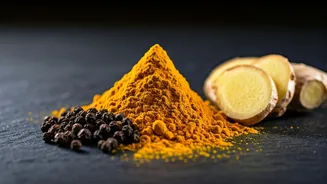
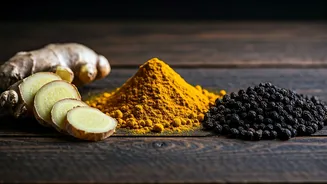
This is most famously seen in its relationship with turmeric. Piperine can boost the bioavailability of curcumin by up to 2000%, ensuring your body reaps the full anti-inflammatory rewards of the golden spice. This synergy is why traditional recipes almost always pair turmeric with black pepper. Beyond its role as an enhancer, black pepper has its own set of benefits. It has expectorant properties, helping to clear chest congestion and break up mucus. Its warming quality improves circulation and aids digestion. A simple concoction of honey mixed with a pinch of freshly ground black pepper can provide instant relief from a cough. Sprinkle it over your soups, salads, or even your morning eggs to keep your system active and resilient throughout the rainy months.