






Turmeric: The Golden Healer
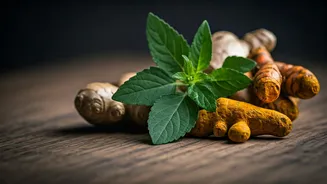
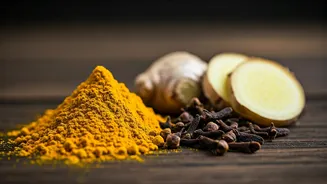
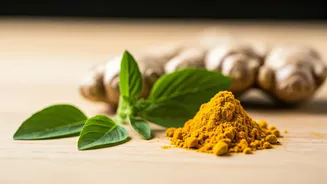
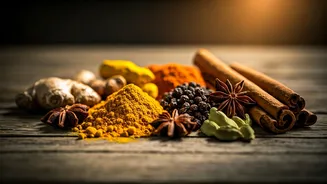
Turmeric, or haldi, is more than just a vibrant colouring agent for our curries; it's a potent medicinal herb deeply rooted in Ayurvedic tradition. Its power comes from curcumin, a compound celebrated for its powerful anti-inflammatory and antioxidant
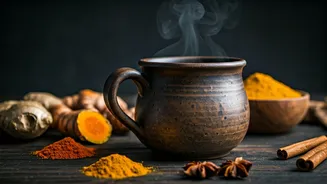
properties. During the monsoon, when our immunity can take a dip, turmeric acts as a natural shield. Its antiseptic and antibacterial qualities help the body fend off common seasonal infections like the cold, cough, and flu. A sore throat is a frequent complaint during the damp weather, and a warm glass of haldi doodh (turmeric milk) before bed can work wonders. This traditional concoction is not just comforting; it helps reduce inflammation in the throat and chest, promoting a restful sleep. To make it, simply warm a cup of milk, stir in half a teaspoon of turmeric powder, a pinch of black pepper (more on that later!), and a touch of honey or jaggery for sweetness. It's a simple, daily ritual that can make a significant difference in your monsoon wellness journey.
Ginger: The Warming Wonder
There’s a reason why a steaming cup of adrak wali chai feels like a hug in a mug, especially on a rainy day. Ginger is a cornerstone of Indian home remedies, revered for its ability to warm the body and ignite the digestive fire, or agni. The high humidity of the monsoon can often make our digestive system sluggish, leading to issues like indigestion and bloating. Ginger stimulates digestive enzymes, helping your body process food more efficiently and providing relief from discomfort. Its active compound, gingerol, is a powerful anti-inflammatory and antioxidant. It's also incredibly effective in combating nausea and soothing an upset stomach. When you feel the first tickle of a sore throat or the stuffiness of a cold, a simple ginger concoction can be your best friend. Boil a few slices of fresh ginger in water, strain it, and add a squeeze of lemon and a spoonful of honey. This classic brew not only soothes irritation but also helps clear congestion, making it an essential part of your monsoon survival kit.
Black Pepper: The Bioavailability Booster
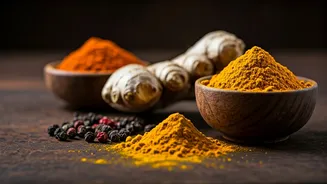
Black pepper, or kali mirch, might seem like a simple tabletop spice, but it plays a crucial role in this monsoon wellness trio. While it has its own impressive set of benefits—including being a natural decongestant and having antibacterial properties that help fight respiratory infections—its true superpower lies in its ability to enhance the effects of other spices, particularly turmeric. Black pepper contains piperine, a compound that dramatically increases the bioavailability of curcumin. In simple terms, piperine helps your body absorb and use the curcumin from turmeric far more effectively—by up to 2000%, according to some studies! Without black pepper, much of the curcumin you consume simply passes through your system without being fully utilised. This makes black pepper the ultimate team player. By adding just a pinch of it to your turmeric milk, soups, or traditional kadha, you are unlocking the full healing potential of the golden spice. It's also great for clearing a stuffy nose and phlegm, making it a powerful weapon against damp-weather sniffles.