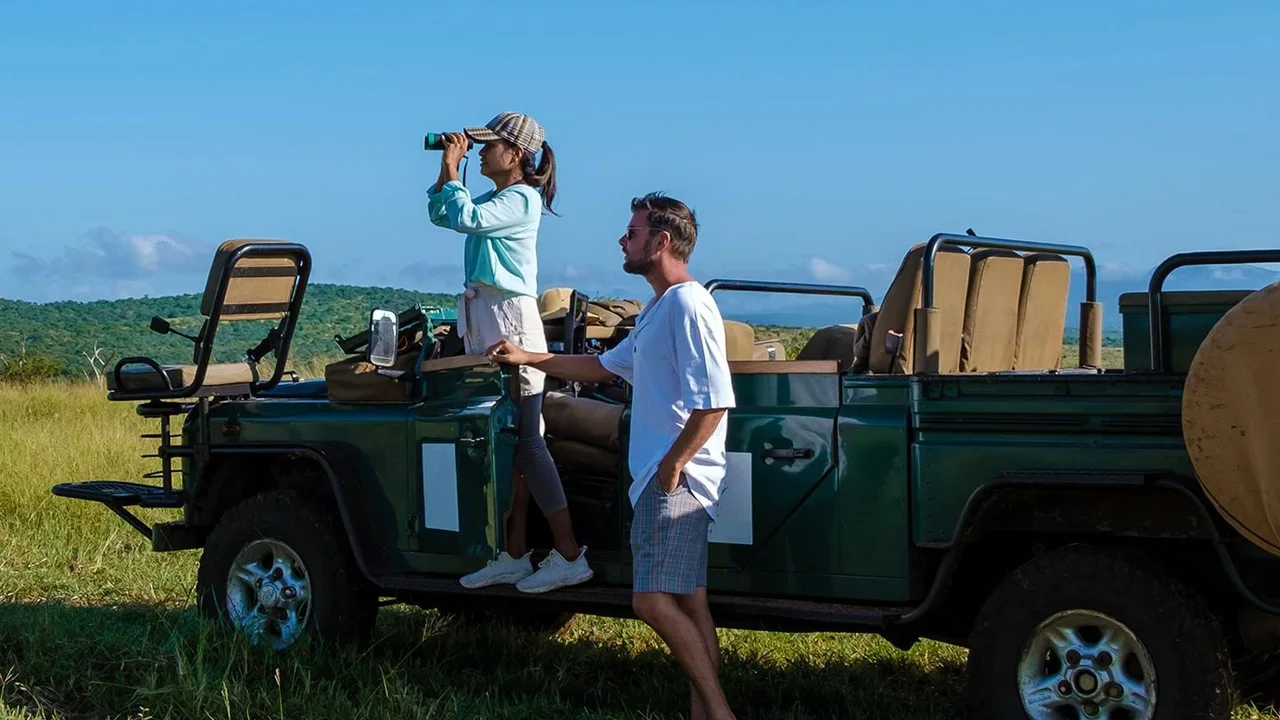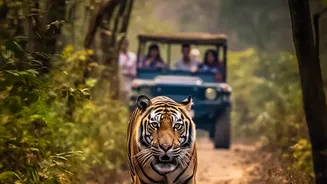


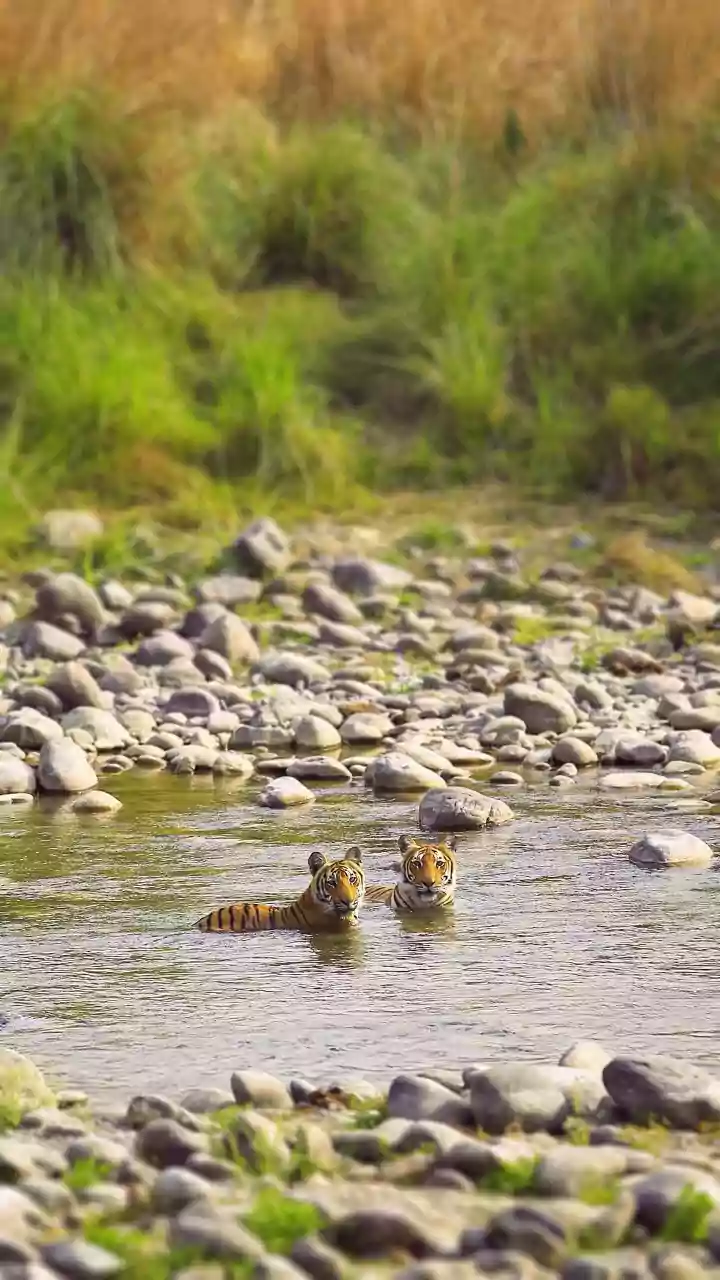

As winter settles across India, the country's diverse wilderness transforms. Cooler temperatures, clearer visibility, and active wildlife create the perfect conditions for an unforgettable safari adventure away from the summer heat.
Ranthambore National Park, Rajasthan
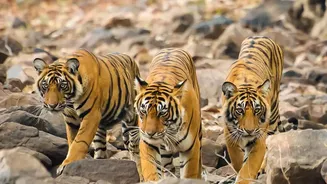
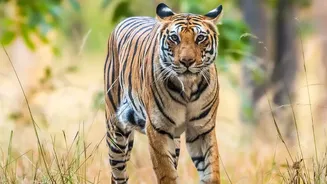
Ranthambore is synonymous
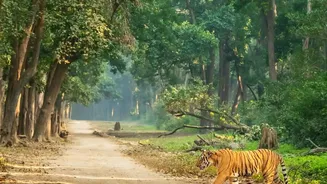
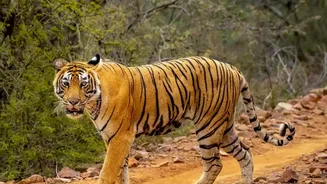
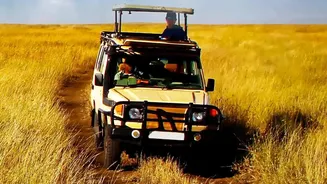
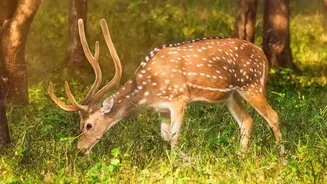
with tigers, and winter offers a magical experience for spotting these majestic predators. The pleasant daytime temperatures, ranging from 10°C to 25°C, make for comfortable open-jeep safaris. While tigers are the main draw, the landscape itself is a highlight, with the ancient Ranthambore Fort providing a dramatic backdrop to your wildlife search. In the crisp morning air, mist often hangs over the park's lakes, creating stunning photographic opportunities. Animals tend to be active for longer periods in the cool weather, and you might spot leopards, sloth bears, and various species of deer. Winter mornings can be very cold in an open vehicle, so dressing in layers is essential for a comfortable experience.
Kaziranga National Park, Assam
Winter is the prime season to visit this UNESCO World Heritage Site, which is home to two-thirds of the world's great one-horned rhinoceros population. The park is generally open from November to April, as monsoon floods make it inaccessible for the rest of the year. During winter, from November to February, the weather is cool and dry, with temperatures between 5°C and 25°C, offering ideal conditions for both jeep and elephant safaris. As the tall elephant grass is cut or burns off, visibility improves dramatically, increasing your chances of spotting rhinos, elephants, wild water buffalo, and even tigers. The wetlands also come alive as thousands of migratory birds arrive from Central Asia, making it a paradise for birdwatchers.
Jim Corbett National Park, Uttarakhand
As India's oldest national park, Jim Corbett offers a classic wildlife experience in the Himalayan foothills. The winter months, from November to February, are considered one of the best times to visit, with pleasant daytime temperatures perfect for exploring. All major zones of the park, including the famous Dhikala zone, are open during this period. The forest's visibility improves as vegetation thins, enhancing opportunities to see Bengal tigers, leopards, and large herds of elephants. Winter is also the peak season for birdwatching, with over 650 resident and migratory species making the park a vibrant hotspot for avian enthusiasts. While days are comfortable, mornings can be foggy and quite cold, so warm clothing is recommended.
Tadoba Andhari Tiger Reserve, Maharashtra
Known for its high density of tigers, Tadoba is a top destination for those keen on sighting the striped cat. While the summer offers the highest probability of sightings near waterholes, the winter season (November to February) provides a far more comfortable safari experience. The weather is pleasant, with temperatures ranging from 10°C to 25°C, and the clear skies are excellent for photography. In winter, tigers are often more active during the day and can be seen basking in the sun. Besides tigers, Tadoba's diverse landscape of teak forests and meadows supports leopards, sloth bears, wild dogs (dholes), and a variety of deer.
Keoladeo National Park, Rajasthan
For bird lovers, a winter trip to Keoladeo National Park, also known as Bharatpur Bird Sanctuary, is essential. This UNESCO World Heritage Site becomes a crucial wintering ground for thousands of migratory birds from Siberia, Europe, and Central Asia between October and February. Here, you can see an incredible diversity of waterfowl, including bar-headed geese, various ducks, pelicans, and eagles. The park is unique in that it is explored on foot, by bicycle, or on cycle-rickshaws with trained guides, offering a peaceful and intimate way to experience the avian spectacle. Resident birds like the sarus crane, painted storks, and spoonbills are also highlights.