




Beyond the Tourist Checklist
Modern travel can sometimes feel like a race to consume. We rush from monument to museum, snapping photos to prove we were there, ticking boxes on a pre-set itinerary. This approach, often called mass tourism, prioritises covering ground over gaining
understanding. The result is often a blur of beautiful but hollow memories, where the destination itself feels less like a place lived and more like a set of images briefly passed through. We return home with a full camera roll but an empty notebook, having seen everything and learned little. This model of travel treats destinations as commodities, leading to burnout rather than relaxation and renewal.
Finding an Anchor: The Main Experience
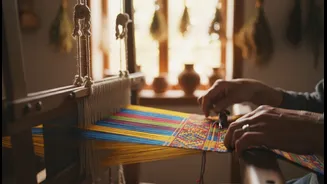
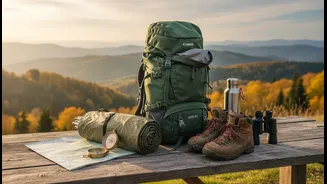
The antidote to this superficial travel is to build your trip around a 'main experience'. This is a central, hands-on activity that requires you to engage with the local culture, environment, or a new skill. Instead of just visiting Kerala, you might take a week-long course in Kalaripayattu or learn to cook traditional Syrian Christian cuisine. Instead of just seeing the Himalayas, you could undertake a multi-day trek like the Goecha La in Sikkim or volunteer with a local conservation project. These activities aren't just add-ons; they become the anchor of your entire journey, providing a purpose and a lens through which you experience everything else. This approach is often called slow or experiential travel, focusing on quality of experience over quantity of sights.
From Passive Observer to Active Student
When your trip has a central purpose, your mindset shifts from that of a passive tourist to an active student. You are no longer just looking; you are doing, participating, and learning. This deeper engagement fosters genuine connections. You might learn about block printing from an artisan in Rajasthan, not just buy a scarf. You might understand the complexities of viticulture by working a harvest in Nashik, not just tasting the wine. This immersive approach pushes you out of your comfort zone, building resilience and empathy. Questions change from “What should I see next?” to “How does this work?” and “What is the story behind this?”. This curiosity opens doors to authentic interactions and a more profound understanding that no guidebook can offer.
How to Design Your Own Learning Journey
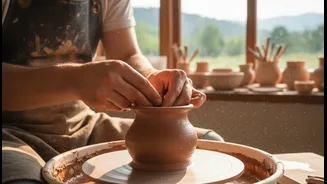
Identifying your main experience starts with your own interests. Ask yourself: What have I always wanted to learn? What skill would enrich my life? It could be anything from a meditation retreat in Himachal Pradesh to a pottery workshop near Puducherry. Once you have a theme, research organisations, schools, or local experts who offer immersive programs. Look for homestays or accommodations that support the local economy and offer deeper cultural immersion. Be intentional with your planning, but leave room for the unexpected. The goal isn't to create a rigid new schedule, but to have a guiding purpose that allows for spontaneous discovery. The most memorable moments often happen in the unplanned spaces between structured activities.