
A Feast for the Senses
The primary driver of the food-inspired beauty trend is its powerful appeal to our senses. Brands have realised that a beauty routine can be more than just functional; it can be an experience. Products that smell like salted caramel, feel like creamy
yoghurt, or have the juicy texture of a watermelon tap into our deep-seated connection to food. This sensory marketing transforms a daily routine into a moment of indulgence and pleasure. Iconic brands like Sol de Janeiro have built an empire on 'gourmand' scents, with their Cheirosa '62 fragrance, featuring notes of pistachio and salted caramel, becoming a viral sensation. Similarly, Laneige's Lip Sleeping Masks, available in flavours from Pumpkin Spice to Peach Iced Tea, turn lip care into a dessert-like ritual. This approach makes products more memorable and desirable, creating an emotional connection that goes beyond simple aesthetics.
The Psychology of 'Kitchen-Safe' Beauty
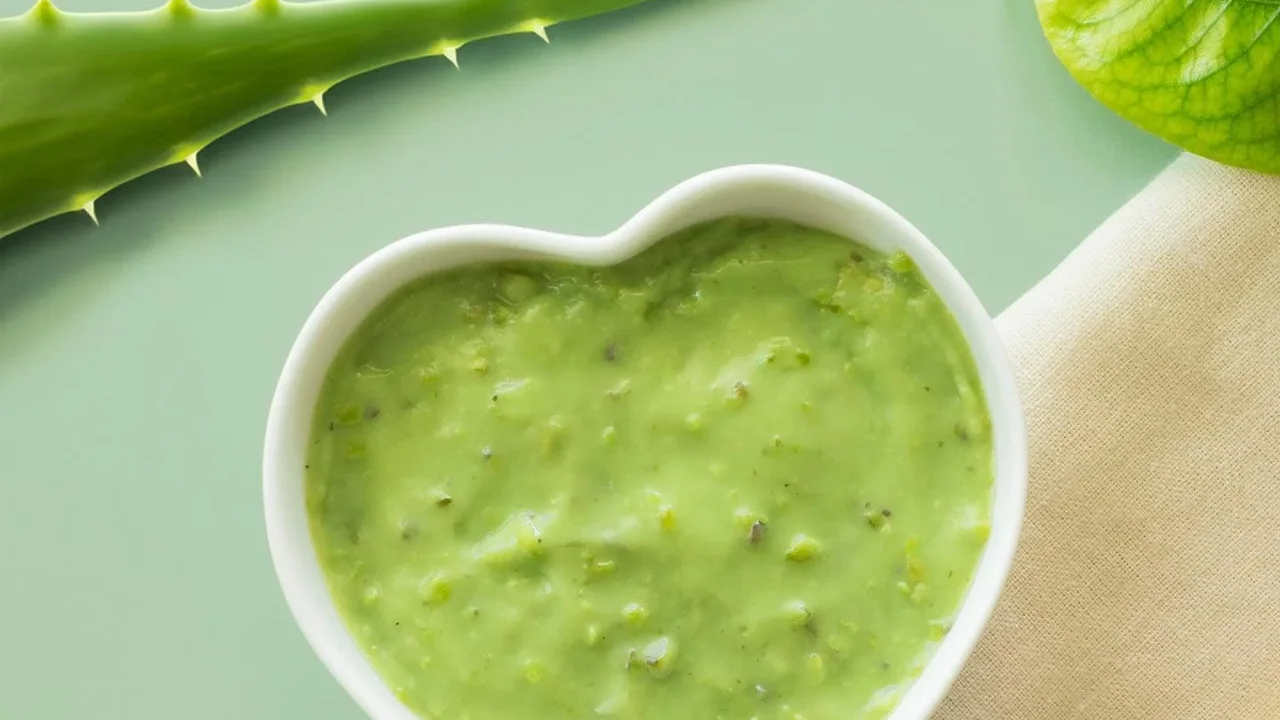
There’s a powerful psychological trigger at play: if an ingredient is safe enough to eat, it must be gentle enough for our skin. This perception taps directly into the 'clean beauty' movement, where consumers are increasingly wary of synthetic chemicals and complex ingredient lists. Food-derived ingredients feel familiar, natural, and trustworthy. Brands like Glow Recipe have masterfully leveraged this, building their identity around fruit-powered skincare. Their Watermelon Glow Niacinamide Dew Drops, for instance, became a TikTok phenomenon, celebrated not just for the 'glass skin' glow it provides but also for its refreshing, fruit-based appeal. This 'kitchen chemistry' narrative suggests a return to basics, positioning these products as wholesome and safe, even if the final formulation is a complex scientific process.
Marketing That Taps Into Nostalgia
Food is deeply tied to memory and emotion. The scent of vanilla might remind you of baking with a grandparent, while a strawberry flavour can evoke childhood sweets. Beauty brands are using these nostalgic cues to build a deeper bond with their customers. A lip gloss that smells like a fruit snack isn't just a cosmetic; it's a small, comforting throwback. This strategy is incredibly effective in a crowded market. It makes a product feel personal and emotionally resonant. The trend also creates immense social media buzz. Unboxing a lip mask set that looks like a box of macarons or a body butter that smells like a tropical cocktail is inherently shareable, feeding into the visual and trend-driven nature of platforms like TikTok and Instagram.
But Do the Ingredients Actually Work?
While the sensory experience is a huge draw, many of these food-inspired ingredients do offer real skincare benefits. Fruits are often rich in vitamins and antioxidants, which are crucial for skin health. For example, watermelon extract is hydrating, berry complexes offer antioxidant protection, and vitamin C from citrus can brighten skin. Niacinamide, a key ingredient in many popular serums, can help with pores and skin texture. However, dermatologists caution that the effectiveness of a product lies in its overall formulation—the concentration of the active ingredient and how it’s delivered to the skin—rather than just the presence of a food item on the label. The 'natural' perception is powerful, but science is what makes a product effective. The trend works best when a product marries a delightful, food-inspired experience with a formula that delivers visible results.