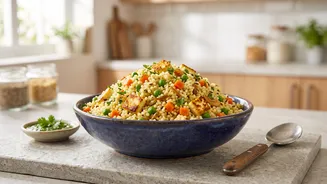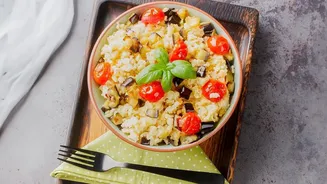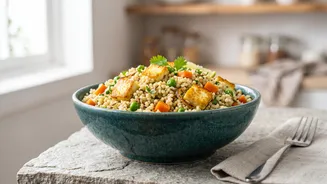





Tired of the post-lunch slump? A wholesome, flavourful millet pulao is the perfect answer. This ancient grain, packed with vegetables, offers a satisfying and balanced meal that keeps you energised throughout the afternoon without feeling heavy.
The Power of Millets
Millets,
once a staple in Indian households, are making a significant comeback, and for good reason. These small-seeded grasses are nutritional powerhouses. Naturally gluten-free, they are an excellent alternative for those with gluten sensitivities. They are rich in dietary fibre, protein, iron, magnesium, and B vitamins. This high fibre content aids digestion and promotes a feeling of fullness, which can help in managing weight. Furthermore, many millets have a low glycemic index, meaning they release sugar into the bloodstream slowly. This helps in maintaining steady energy levels and is beneficial for blood sugar management.
Choosing the Right Millet for Pulao
While there are many types of millets, some are better suited for creating that fluffy, grain-by-grain texture desired in a pulao. Foxtail millet (Kangni/Navane) is a popular choice because its grains stay separate and fluffy after cooking, making it a great substitute for rice. Kodo millet (Varagu/Kodra) also holds its shape well and won't turn mushy easily. Other good options include Little millet (Kutki/Sama) and Barnyard millet (Sanwa), which is known for being a fast-cooking grain. Each has a slightly different flavour profile, with most being mild and nutty, allowing them to absorb the aromas of the spices and vegetables beautifully.
Crafting the Perfect Pulao
The secret to a perfect millet pulao lies in the preparation. Rinsing the millets thoroughly is the first step. Soaking them for about 15-30 minutes can help in achieving a softer texture and aids digestion, though some fast-cooking varieties like foxtail may not require it. The water-to-millet ratio is crucial; a general rule is 1 cup of millet to 2 cups of water, but this can vary slightly by millet type. To start, heat ghee or oil and temper whole spices like cumin seeds, bay leaves, cinnamon, and cloves to build a fragrant base. Sautéing onions until golden, followed by ginger-garlic paste, green chillies, and fresh herbs like mint and coriander, deepens the flavour.
Building a Truly Balanced Bowl
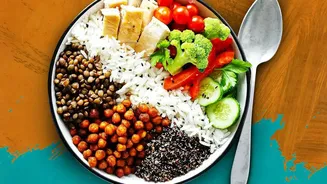
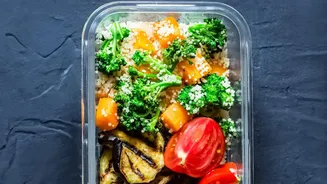
A 'balanced lunch' provides sustained energy by including key food groups. Your millet pulao achieves this by combining complex carbohydrates from the millet with fibre and vitamins from a colourful array of vegetables. Think carrots, beans, peas, bell peppers, and corn. To make it a complete meal, incorporating a source of protein is essential. You can easily add paneer cubes, chickpeas, soya chunks, or tofu to the pulao as it cooks. This combination of whole grains, vegetables, and protein ensures you stay full and focused. Serving it with a side of curd or raita adds probiotics and a cooling contrast, completing the nutritional circle.
Tips for Flavour and Texture
To elevate your millet pulao, consider a few pro‐tips. Lightly toasting the drained millet in ghee for a minute before adding water can enhance its nutty aroma and help keep the grains separate. Don't skip the resting period. After cooking, let the pulao sit, covered and off the heat, for about 5‐10 minutes. This allows the grains to absorb any remaining steam and firm up. Finally, fluff the pulao gently with a fork, not a spoon, to avoid breaking the delicate grains. A final drizzle of ghee and a garnish of fresh coriander leaves before serving adds a final touch of richness and freshness.