


What is 'Processed Food,' Really?
At its most basic, food processing is any action that alters a food from its natural state. This can be as simple as washing, cutting, freezing, or packaging. By this definition, a huge portion of the food we buy is 'processed'. This includes everything
from pre-cut vegetables and roasted nuts to pasteurised milk. These steps are often done to make food safer, more convenient, or to preserve it, extending its shelf life and reducing waste. So, when experts discuss the potential downsides of processing, they are rarely talking about your bag of frozen peas or a can of chickpeas.
The Spectrum: From Nature to the Package
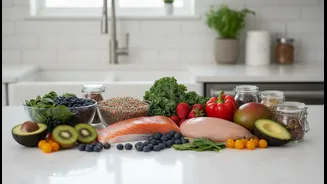
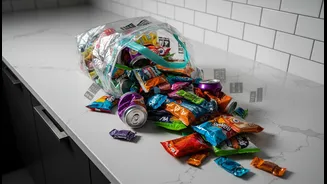
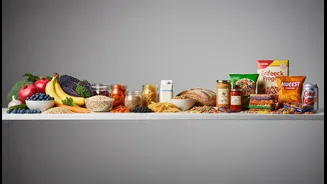
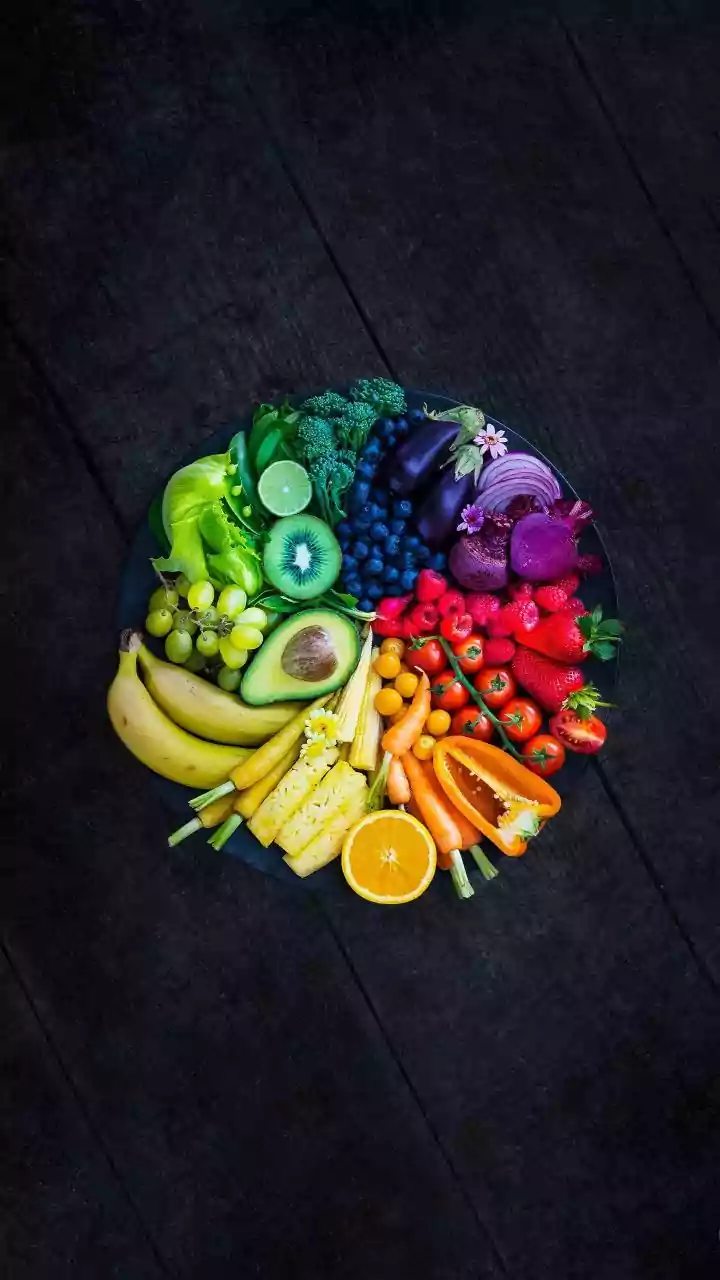
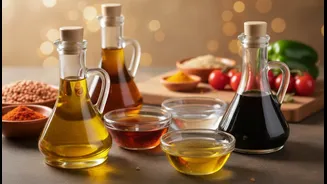
Instead of a simple divide, it's more helpful to think of food processing on a scale. A widely used framework called the NOVA classification, developed by researchers in Brazil, divides food into four groups based on the level of processing. 1. Unprocessed or Minimally Processed Foods: These are foods in or near their natural state. Think fresh fruits and vegetables, eggs, plain milk, meat, raw nuts, and whole grains like oats. They might be washed, cut, or frozen, but nothing is added to them. 2. Processed Culinary Ingredients: These are ingredients derived from the first group, used in kitchens to prepare meals. Examples include oils pressed from seeds, butter from milk, and salt, sugar, and spices. They are not meant to be eaten alone. 3. Processed Foods: This is where things get a bit more complex. These are typically made by combining foods from the first two groups. Think of simple bread, cheese, canned fish, and vegetables preserved in brine. The main purpose of the processing is to increase the durability of the food or enhance its flavour. 4. Ultra-Processed Foods (UPFs): This is the category that draws the most concern. These are industrial formulations made from many ingredients, including some you wouldn't find in a home kitchen, like preservatives, emulsifiers, and artificial colours and flavours. Examples include instant noodles, sugary breakfast cereals, packaged chips, biscuits, sodas, and many ready-to-eat meals.
Why Ultra-Processed Foods Get a Bad Rap
The concern around UPFs stems from several factors. They are often high in added sugar, unhealthy fats, and salt, while being low in essential nutrients like fibre and vitamins. Studies have shown that diets high in UPFs are associated with a greater risk of health issues like obesity, type 2 diabetes, and cardiovascular disease. These foods are often designed to be 'hyper-palatable'—extremely tasty and easy to overeat, which can lead to consuming more calories than intended. In India, the shift from traditional, home-cooked meals to convenient UPFs like instant noodles and sugary drinks is a growing public health concern, linked to rising rates of lifestyle diseases.
But Nuance Is Key
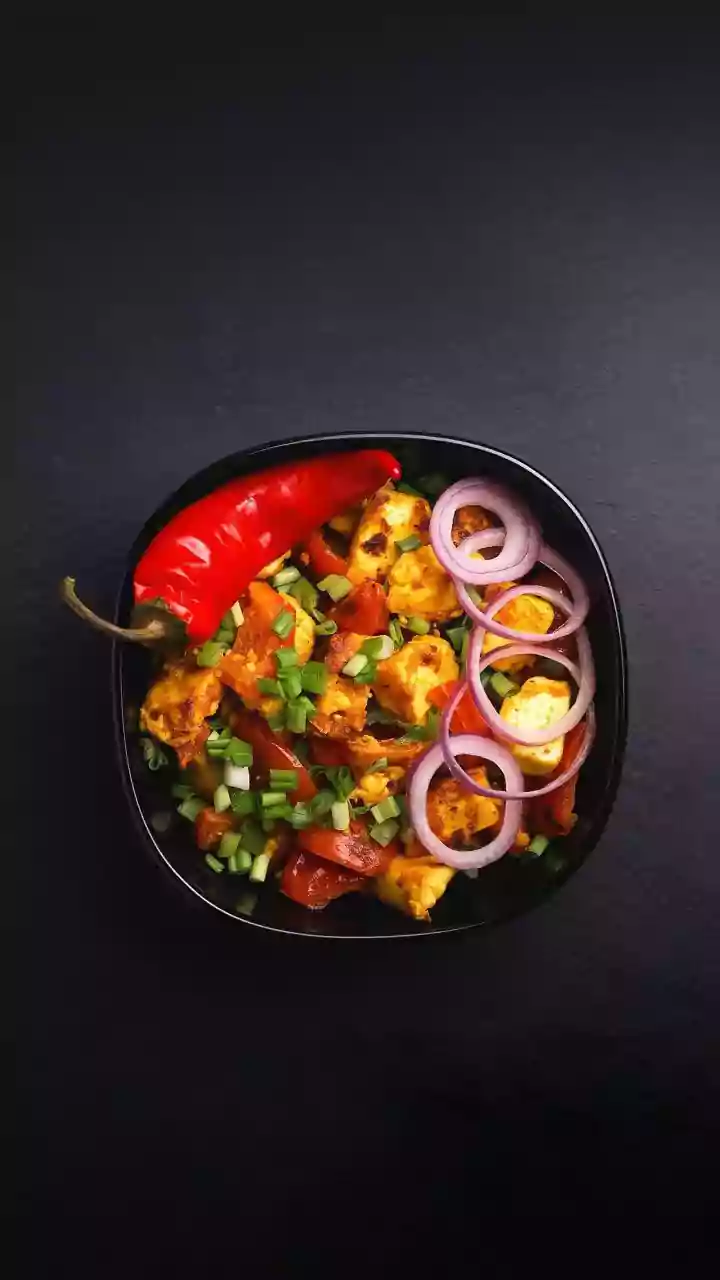
However, even the 'ultra-processed' category isn't a monolith. The classification is about the process, not strictly the nutritional content. This means some UPFs, like whole-grain bread or fortified breakfast cereals, can be sources of important nutrients. For example, a packaged whole-wheat paratha might be a UPF, but it's nutritionally very different from a packet of fried chips or a sugary soda. The debate among scientists is ongoing, with many arguing that a blanket demonisation of all UPFs is unhelpful. Some processed foods offer vital benefits like affordability, convenience, and food safety, and can even be fortified with vitamins and minerals to improve public health.
Finding Your Balance on the Spectrum
So, how should you navigate the grocery aisle? Instead of obsessing over whether a food is 'processed' or not, a more practical approach is to look at your diet as a whole. The goal isn't to achieve an all-or-nothing, purely unprocessed diet—which is impractical for most people. A healthier strategy is to prioritise foods from the minimally processed end of the spectrum most of the time. Fill your plate with fresh produce, whole grains like dalia and brown rice, legumes, and lean proteins. When you do choose processed or ultra-processed foods, read the labels. Opt for products with shorter ingredient lists that you recognise, and be mindful of high levels of added sugar, salt, and unhealthy fats. Choosing a baked snack over a fried one, or water over a soda, are small but meaningful shifts.