




Hill Stations: Misty Mountains and Cautious Drives
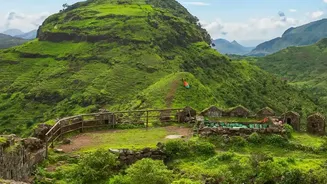
The hills come alive during the monsoon, draped in mist and vibrant green. Destinations like Lonavala in Maharashtra and Coorg in Karnataka become prime weekend escapes. Lonavala, a short drive from Mumbai and Pune, is famous for its overflowing dams
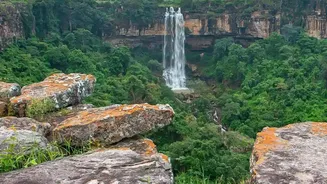
and waterfalls like Bhushi Dam. Coorg, the "Scotland of India," sees its coffee plantations and the famous Abbey Falls flourish in the rain. However, the charm of these destinations is matched by significant road risks. The Western Ghats are highly susceptible to landslides during heavy rainfall. Roads can be slippery, and visibility is often poor due to fog and intense downpours. Routes like the Mumbai-Pune Expressway have seen closures due to landslides, reminding travellers to always check conditions before starting their journey.
Coastal Escapes: Lush Landscapes and Waterlogged Roads
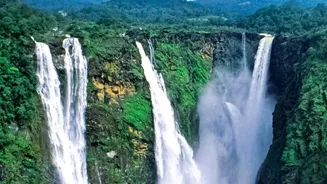
A monsoon trip to the coast offers a different kind of magic. While many beach shacks in Goa may be closed, the state transforms into a serene, green paradise with fewer tourists. The real attractions shift inland to roaring waterfalls like Dudhsagar and verdant spice plantations. Similarly, the French quarters of Pondicherry offer a romantic, rain-washed charm. The major challenge on coastal routes is waterlogging. Heavy rains can inundate highways, making driving hazardous. It's crucial to be wary of hidden potholes submerged under rainwater, which can cause significant damage to your vehicle. Always check weather forecasts for warnings of cyclonic storms or extreme rainfall before heading to the coast.
Heritage Trails: History in the Downpour
Visiting India’s heritage sites during the monsoon can be a uniquely rewarding experience. The city of Udaipur in Rajasthan, for instance, sheds its arid image as rains fill its famous lakes and the surrounding Aravalli hills turn lush green. The palaces and forts against a backdrop of dramatic monsoon clouds offer spectacular views with the added benefit of cooler weather and smaller crowds. However, reaching these destinations requires careful planning. National highways can also suffer from waterlogging and the sudden appearance of potholes after a downpour. Roads leading to historical sites might not be as well-maintained, so it's wise to budget extra time for your journey and drive cautiously.
Your Pre-Trip Vehicle Checklist
Before you even think of starting the engine, a thorough vehicle check is non-negotiable. First, inspect your tyres. Ensure they have adequate tread depth (above 3mm is ideal for wet roads) to avoid hydroplaning, where a layer of water between the tyre and road causes a loss of control. Second, check your wiper blades to make sure they clear the windscreen effectively without leaving streaks. Third, test your brakes. Their efficiency can be reduced on wet surfaces, so it's vital they are in top condition. Finally, ensure all your lights—headlights, taillights, and indicators—are working perfectly. Driving with low-beam headlights on during rain significantly improves your visibility to others.
On the Road: Safe Driving Techniques
Once on your journey, adapting your driving style is key to staying safe. The most important rule is to reduce your speed; braking distances increase significantly on wet roads. Maintain a larger than usual gap between your vehicle and the one in front. Be extremely wary of large puddles and waterlogged sections. Driving through them can hide deep potholes or debris, and you risk your engine stalling if water enters the intake. If you must cross a waterlogged patch, do so slowly in a low gear while keeping the engine revs high. In hilly areas, be hyper-aware of the risk of landslides, especially on roads with steep cuttings. Avoid unnecessary distractions and focus completely on the road.