



The Unseen Enemy in the Water
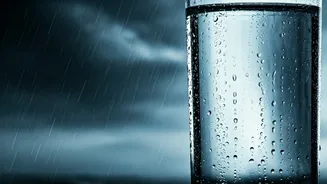
The monsoon season, while essential for replenishing our water sources, also brings significant health risks. Heavy rains can lead to overflowing sewers, contamination of water pipelines, and runoff from flooded areas, all of which can introduce harmful
pathogens into the water supply. This creates a perfect breeding ground for bacteria, viruses, and parasites. Diseases like cholera, typhoid, jaundice (Hepatitis A), and various diarrhoeal infections see a sharp spike during this period. According to health experts, a large percentage of communicable diseases in India are water-related, making vigilance a necessity. These illnesses are not just a rural problem; urban areas with strained infrastructure are also highly susceptible to outbreaks.
Boiling: The Oldest and Surest Defence
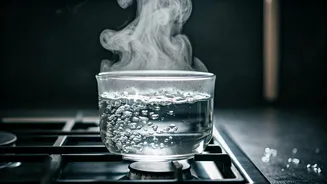
The simplest and most reliable method to make water safe is boiling. Bringing water to a full, rolling boil for at least one to three minutes effectively kills most disease-causing microorganisms like bacteria, viruses, and protozoa. Health authorities consistently recommend this as a primary defence, especially when the quality of public water is compromised. While it's a time-tested practice, it's important to do it correctly. Simply heating the water is not enough; a vigorous, rolling boil is necessary to ensure it's truly purified. After boiling, allow the water to cool naturally and store it in clean, covered containers to prevent re-contamination.
Modern Filters: A Convenient Alternative
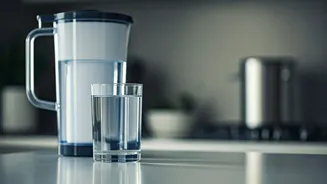
For many households, modern water purifiers offer a convenient and effective solution. Technologies like Reverse Osmosis (RO), Ultraviolet (UV), and Ultrafiltration (UF) are designed to tackle different types of contaminants. RO purifiers are excellent at removing dissolved solids, heavy metals, and chemicals. UV purifiers use ultraviolet light to deactivate the DNA of bacteria and viruses, rendering them harmless. UF filters can remove larger particles and bacteria. The best choice depends on the quality of your input water. However, it's crucial to remember that filters require regular maintenance. Clogged or old filters can be ineffective or even become a source of contamination themselves.
Chemicals and Other Purification Methods
In situations where boiling or filtering isn't possible, chemical disinfection can be a lifesaver. Chlorine tablets or liquid solutions are commonly used to kill microorganisms in water. While effective, it's vital to use the correct dosage and allow the recommended contact time for the chemical to work. Another method, particularly useful in resource-limited settings, is Solar Disinfection (SODIS). This involves leaving water in clear plastic bottles in direct sunlight for several hours, allowing UV-A rays to kill pathogens. These methods are often used in emergency or travel situations but highlight the universal need for purification.
Beyond the Drinking Glass
Ensuring water safety goes beyond what you drink. Contaminated water can cause illness through various other routes. Use purified or boiled water for washing fruits and vegetables that will be eaten raw. Be mindful of the water used for brushing your teeth and for making ice cubes. During monsoons, it's also wise to be cautious about street food, especially items like chutneys, golgappas, and juices that may be prepared with untreated water. Even wading through flooded streets can pose a risk, as pathogens can enter through cuts or scrapes on the skin. A holistic approach to water hygiene is key to a healthy monsoon.
Know the Warning Signs
Despite taking precautions, it's important to recognize the symptoms of common waterborne diseases. Sudden onset of watery diarrhoea, vomiting, and muscle cramps can signal cholera. A high fever accompanied by headache and fatigue could be typhoid. Jaundice, characterized by yellowing of the skin and eyes, dark urine, and fatigue, is a key symptom of Hepatitis A. Most diarrhoeal diseases are self-limiting, but severe symptoms, especially in children and the elderly, require immediate medical attention to prevent dangerous dehydration.