







Why the Monsoon is a High-Risk Season
The rainy season creates the perfect storm for health issues. High humidity and moisture in the air allow harmful bacteria, viruses, and fungi to thrive. Stagnant water becomes a breeding ground for mosquitoes, leading to vector-borne diseases like dengue
and malaria, while contaminated water sources increase the risk of water-borne illnesses such as typhoid, cholera, and gastroenteritis. These pathogens can easily find their way into our food through improper handling, storage, and cross-contamination, making food safety a critical concern.
Navigating Street Food Cravings Safely
The allure of street food is strongest during a downpour, but it's also the riskiest. Unhygienic water used in chutneys and drinks, pre-cut fruits exposed to the elements, and food left sitting at room temperature are major sources of infection. Does this mean you must abstain completely? Not necessarily, but caution is key. Opt for vendors who maintain visible hygiene, like clean carts and covered ingredients. Most importantly, choose foods that are prepared fresh and served steaming hot right in front of you. Items like freshly fried pakoras, roasted bhutta (corn on the cob), and steamed momos or idlis are generally safer bets as the high cooking temperature kills most germs. It's wise to avoid raw chutneys, salads, and any beverage made with local ice or unverified water.
Essential Hygiene Rules for Your Kitchen
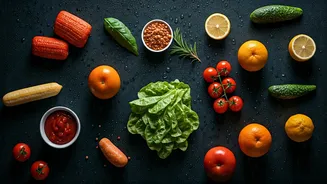
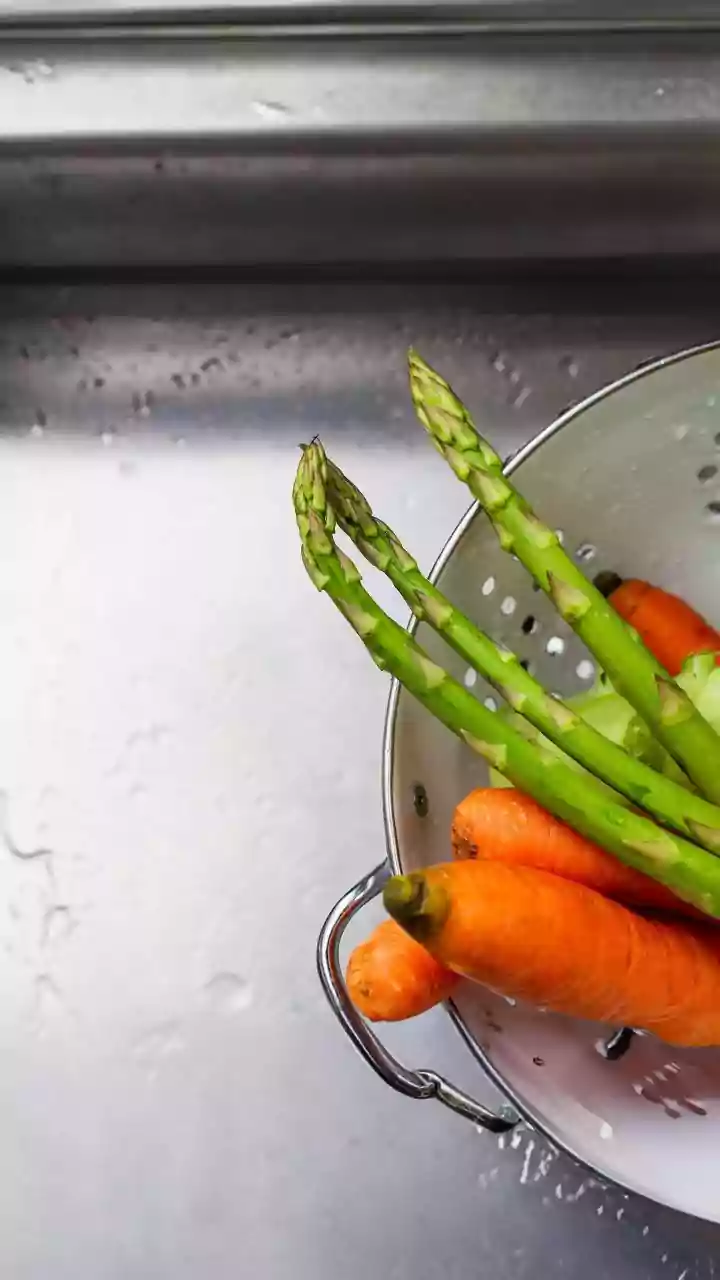
Your home kitchen is your safest bet, but only if you follow strict hygiene protocols. The Food Safety and Standards Authority of India (FSSAI) emphasizes simple yet powerful habits. Always wash your hands with soap and water before and after handling food. Use separate cutting boards and utensils for raw meat and vegetables to prevent cross-contamination. It's crucial to wash all fruits and vegetables thoroughly under running water before consumption. For leafy greens, soaking them in saltwater can help remove germs. Cooking food thoroughly to the correct internal temperature is one of your best defences against foodborne pathogens.
Smart Storage and Water Purity
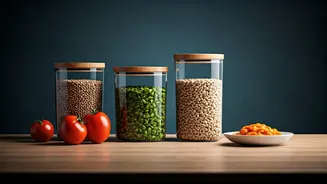
Humidity can quickly spoil even dry ingredients. Store items like spices, grains, and biscuits in airtight containers to keep moisture out. Cooked food should be refrigerated promptly and not left at room temperature for extended periods. Regularly clean and defrost your refrigerator, as condensation can encourage mould growth. Water purity is non-negotiable. Always drink boiled or properly filtered water. Be wary of using ice from unknown sources and avoid drinks from street vendors unless you are certain they use purified water. Carrying your own water bottle is a simple and effective habit to cultivate.
Building Immunity with the Right Foods
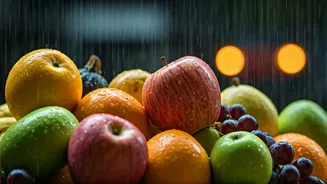
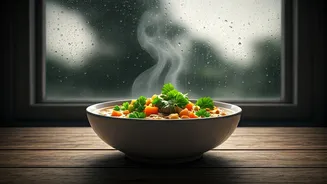
While hygiene is paramount, a strong immune system provides an extra layer of defence. Incorporate immunity-boosting foods into your diet. Warm, comforting dishes like soups, khichdi, and those made with ginger, turmeric, and citrus fruits are excellent choices for the season. Opt for light, easily digestible meals over heavy, oily foods that can tax your digestive system. Steamed vegetables are a much safer alternative to raw salads. Enjoy seasonal fruits like jamun, pomegranate, and pears, but ensure they are washed well and consumed fresh after cutting.