


Rajmachi Fort, Maharashtra
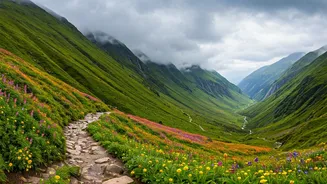
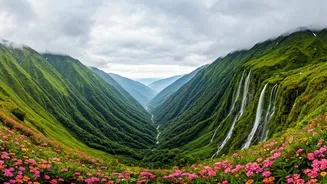
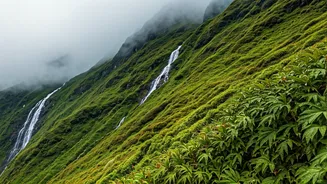
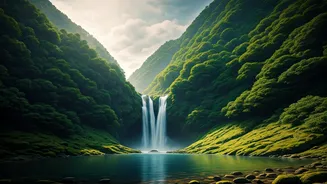
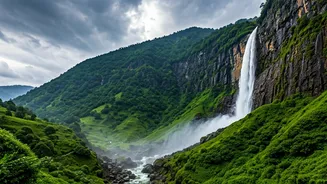
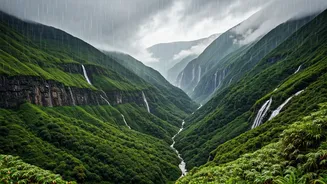
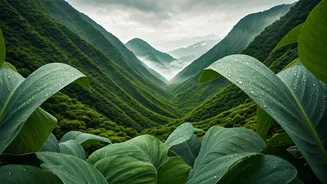
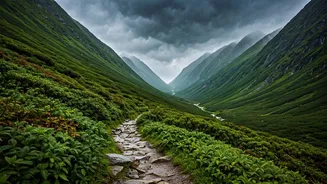
A perennial favourite for trekkers from Mumbai and Pune, the Rajmachi trek is arguably at its best during the monsoon. The trail, winding through the Sahyadri mountains, becomes a corridor of vibrant green. Waterfalls, small and large, appear at every
turn, and the plateau leading to the twin forts of Manaranjan and Shrivardhan is covered in a carpet of wildflowers. You can choose between two routes: a longer, gradual walk from Lonavala or a shorter, steeper climb from Karjat. The mist rolling over the ramparts of the old fort is a sight to behold, making the moderate effort entirely worthwhile. Reaching the small village at the base of the fort, Udhewadi, feels like stepping back in time.
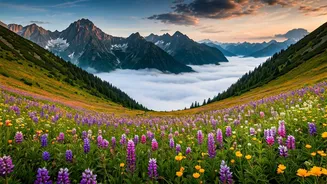
Valley of Flowers, Uttarakhand
This is not just a trek; it's a pilgrimage for nature lovers. A UNESCO World Heritage Site, the Valley of Flowers National Park opens to the public from June to October, with the peak blooming season falling squarely in the monsoon months of July and August. After a trek from Govindghat to the base camp at Ghangaria, you enter a breathtaking alpine valley carpeted with hundreds of species of flowers, including the elusive blue poppy and Brahma Kamal. The Pushpawati River flows through the valley, and the entire landscape is framed by snow-dusted peaks that play hide-and-seek with the monsoon clouds. This trek is of moderate difficulty, requiring a decent level of fitness, but the floral spectacle is an unparalleled reward.
Tadiandamol, Karnataka
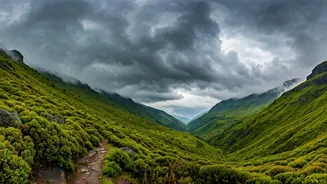
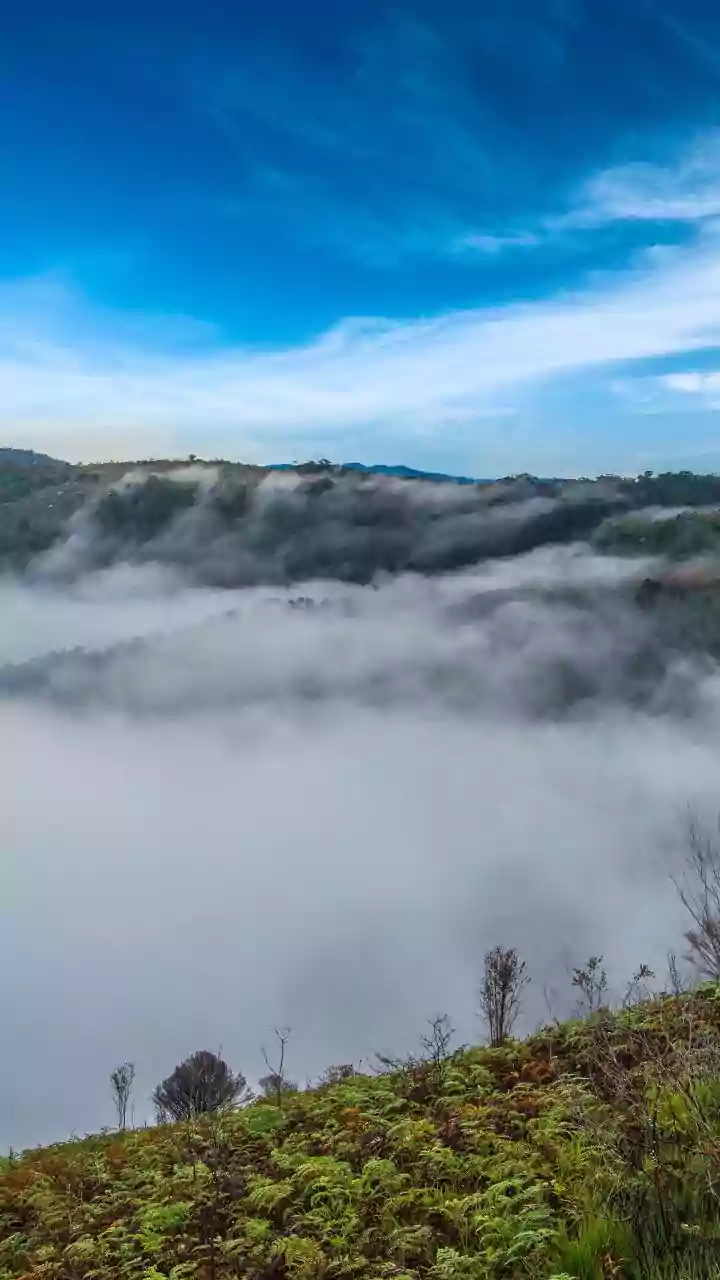
As the highest peak in Coorg, Tadiandamol offers panoramic views that are made even more dramatic by the monsoon. The trail takes you through sprawling grasslands, dense Shola forests, and coffee plantations, with the mist creating an ethereal, almost mystical atmosphere. The initial part of the trek is relatively easy, but the final push to the summit is steep and can be challenging, especially when the path is slick with rain. However, the feeling of standing above the clouds, with layers of green hills stretching to the horizon, is unforgettable. The cool, rain-washed air and the sounds of the forest make this a deeply refreshing experience for anyone looking to connect with the wild heart of the Western Ghats.
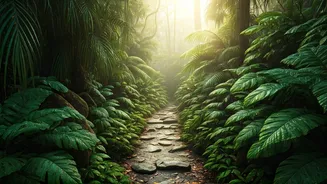
Double Decker Living Root Bridge, Meghalaya
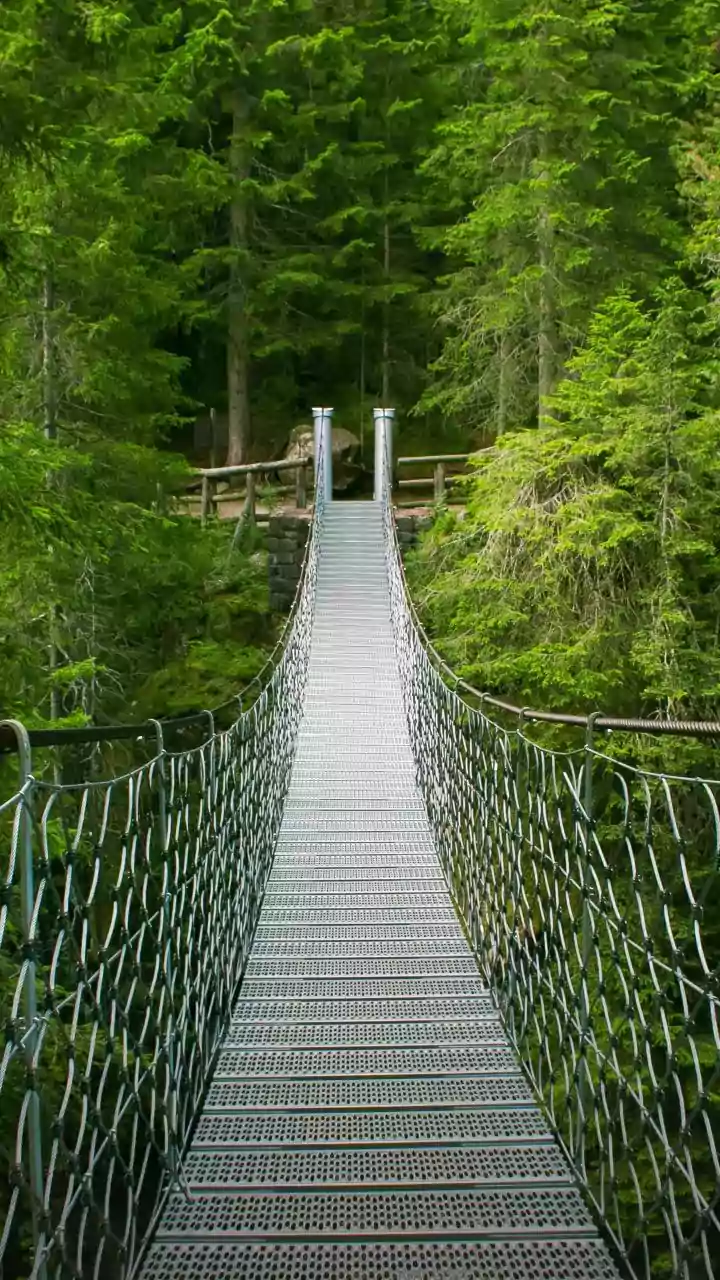
Meghalaya, the 'abode of clouds', is the ultimate monsoon destination, and the trek to the Jingkieng Nongriat Double Decker Living Root Bridge is its crown jewel. Starting from Tyrna village near Cherrapunji, the journey involves descending over 3,500 concrete steps into a lush river valley. Along the way, you'll cross swaying suspension bridges and smaller, single-decker root bridges. The main attraction is the magnificent two-tiered bridge, a marvel of bio-engineering created by the Khasi tribes over generations. The rain only enhances the magic, feeding the roaring waterfalls and turning the entire forest a brilliant, glistening green. While the climb back up is strenuous, the experience of seeing this wonder of nature and human ingenuity is worth every single step.
Essential Monsoon Trekking Tips
While beautiful, monsoon trekking requires extra caution. Always prioritise safety. Wear shoes with excellent grip to handle slippery rocks and muddy trails. Invest in a good quality waterproof jacket and a rain cover for your backpack. Pack a dry bag for electronics and a change of clothes. Always check the local weather forecast and trail conditions before you leave; landslides are a real risk in some areas. It's best to trek with a group or a certified local guide who knows the terrain. Finally, stay hydrated, carry energy-rich snacks, and inform a friend or family member of your itinerary. A little preparation goes a long way in ensuring your adventure is both memorable and safe.