



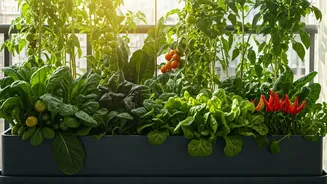


The Monsoon Advantage
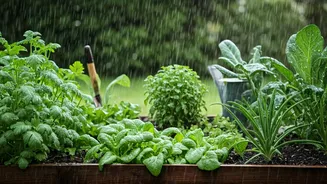
Why is the rainy season such a boon for gardening? The answer lies in the soil. Consistent rain softens compacted earth, making it significantly easier to dig, till, and prepare for planting. This is a huge advantage, especially for those starting a new
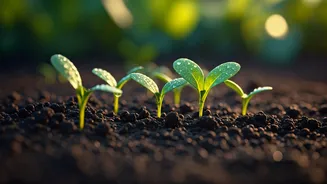
garden bed who would otherwise face the back-breaking work of turning over hard, dry soil. Furthermore, the natural, consistent watering saves you time and effort. The high humidity levels create a perfect microclimate for seed germination and the rapid growth of saplings. Plants establish their root systems more quickly in the moist ground, giving them a strong start for the seasons ahead. This natural boost reduces transplant shock and encourages vigorous, healthy growth right from the beginning.
Prepare Your Soil for Success
While rain makes the soil soft, it also brings the risk of waterlogging, which can lead to root rot. Proper soil preparation is therefore not just recommended; it's essential. The goal is to create a growing medium that retains moisture but also drains well. Start by adding a generous amount of organic matter. Compost, well-rotted cow manure (gobar), or vermicompost will work wonders. These materials improve soil structure, creating air pockets that allow excess water to drain away while holding onto enough moisture for the plant's roots. For every square foot of your garden bed, aim to mix in at least two to three inches of compost. If you're using pots or containers, ensure they have ample drainage holes. You can add a layer of broken pot shards or small stones at the bottom before filling it with a potting mix that includes cocopeat and perlite for enhanced aeration and drainage.
What to Plant This Season
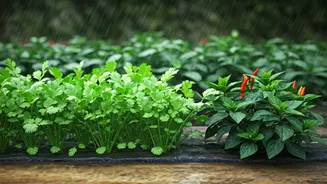
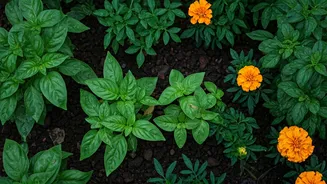
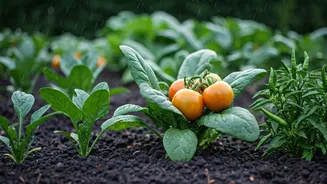
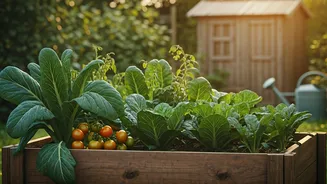
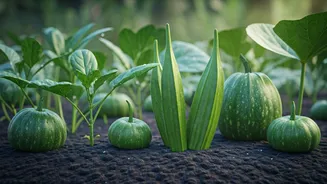
The monsoon is the perfect time for a wide variety of vegetables that thrive in humid, moist conditions. Here are some of the best choices for your kitchen garden: * **Leafy Greens:** Spinach (palak), amaranth (chaulai), and fenugreek (methi) grow incredibly fast in the rains. They are perfect for quick harvests. * **Gourds:** This is the season for the gourd family. Bottle gourd (lauki), ridge gourd (tori), and bitter gourd (karela) vines will flourish. Give them a sturdy trellis to climb. * **Beans:** French beans, cluster beans (gawar), and long beans (lobia) are prolific producers during the monsoon. They also fix nitrogen in the soil, improving its fertility for future crops. * **Root Vegetables:** Radish (mooli), carrots (gajar), and beetroot (chukandar) can be planted now. Ensure your soil is loose and free of stones for well-formed roots. * **Fruiting Vegetables:** Brinjal (baingan), okra (bhindi), and chillies are staples that do exceptionally well. The regular watering from the rain supports their continuous flowering and fruiting.
Container Gardening in the Rains
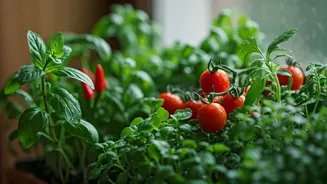
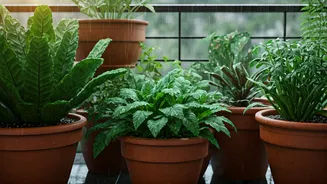
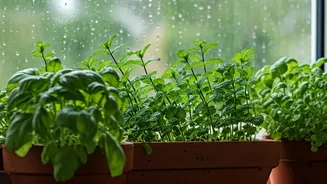
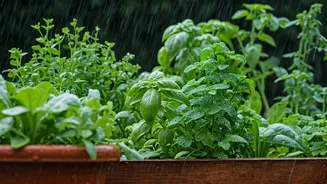
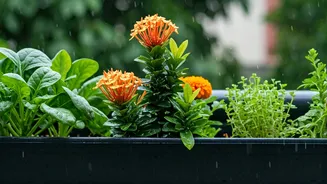
Even if you only have a small balcony, you can create a lush monsoon garden. The principles remain the same, but with a few adjustments for containers. Choose larger pots (at least 12 inches in diameter) to provide enough space for root growth and to prevent the soil from drying out too quickly on sunny days. As mentioned, drainage is paramount. Besides ensuring your pots have holes, consider placing them on pot stands or 'feet' to lift them off the ground. This prevents water from pooling underneath and blocking the drainage holes, a common cause of root rot. Also, be mindful of direct, heavy downpours which can sometimes dislodge seedlings or erode soil from small pots. If possible, move them to a slightly sheltered spot during a major deluge.
Managing Pests and Diseases
The damp, humid weather that plants love is also ideal for pests and fungal diseases. Be vigilant. Regularly check the undersides of leaves for common pests like aphids and mealybugs. A simple solution of neem oil mixed with water and a drop of liquid soap can be sprayed every 10-15 days as a preventative measure. To prevent fungal issues like powdery mildew, ensure good air circulation around your plants. Avoid overcrowding them. If you spot any diseased leaves, prune them immediately to stop the spread. A well-drained, healthy soil is your best defence, as it promotes strong plants that are naturally more resilient to pests and diseases.