








Embrace Warm, Cooked Foods
According to Ayurveda, the monsoon is a time when our digestive fire, or 'agni', becomes weaker. [4] To support it, it is best to favour warm, freshly prepared meals over raw or cold ones. [24] Think hearty soups, nourishing stews, and steamed vegetables.
[3] These are not only comforting on a rainy day but are also easier for the body to digest and absorb nutrients from. [28] Traditional meals like khichdi, made from rice and lentils, are light on the stomach yet provide sustained energy. [14] Avoiding raw foods like salads can also reduce the risk of consuming bacteria and viruses that thrive in the monsoon's humidity. [13, 22]
Power Up with Spices and Herbs
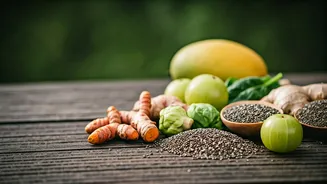
The Indian spice box is a treasure trove of immunity-boosting wonders. Turmeric, with its active compound curcumin, has powerful anti-inflammatory and antioxidant properties. [8] Ginger is excellent for soothing sore throats and aiding digestion, while garlic contains allicin, known for its antimicrobial effects. [6, 17] Incorporating spices like black pepper, cinnamon, and cloves into your cooking not only adds flavour but also helps keep infections at bay. [17] A warm cup of masala chai or a herbal tea made with tulsi, ginger, and honey can be a soothing and effective way to strengthen your body's defences. [3, 7]
Choose Seasonal Produce Wisely
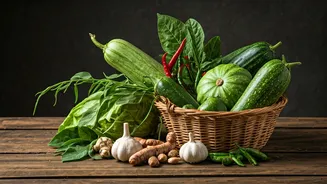
Nature provides us with the right foods for every season. During the monsoon, it's wise to include plenty of seasonal vegetables like bottle gourd (lauki), bitter gourd (karela), ridge gourd (tori), and pumpkin. [17, 21] These vegetables are not only rich in essential nutrients but are also light and easy to digest. Fruits such as jamun, pomegranates, apples, and pears are excellent choices, as they are packed with vitamins A and C, and antioxidants that help fight off infections. [2, 17] It's generally advised to be cautious with leafy green vegetables, as they can harbour dirt and microbes from the damp soil. If you do consume them, ensure they are washed thoroughly and well-cooked. [9, 12]
Don't Forget Probiotics
A healthy gut is fundamental to a strong immune system, as a majority of our immune cells reside in our digestive tract. [4] Probiotic-rich foods like yoghurt (curd) and buttermilk help maintain a healthy balance of gut bacteria. [3, 5] These beneficial bacteria can help fend off pathogens that cause common monsoon illnesses like diarrhoea and gastroenteritis. [17, 18] Including fermented foods such as idli and dosa in your diet can also contribute to good gut health. [4] A healthy gut ensures better nutrient absorption, which in turn supports your overall immunity.
Foods to Limit or Avoid
While cravings for fried snacks like pakoras and samosas are common during the rains, it's best to limit them. The humid weather slows down our digestive system, and heavy, oily foods can lead to bloating and indigestion. [10, 13] It's also prudent to be wary of street food, especially items like chaat and pre-cut fruits, due to the higher risk of water and food contamination. [12, 26] Seafood should be consumed with caution as the monsoon is the breeding season for many fish, which can increase the risk of contamination. [10] Opting for freshly prepared, home-cooked meals is the safest and healthiest choice. [28]