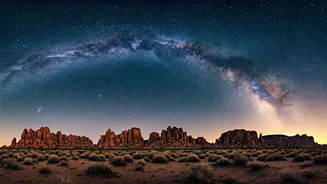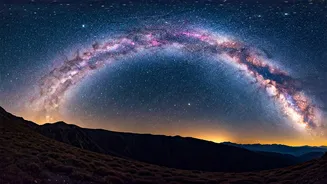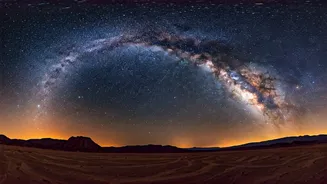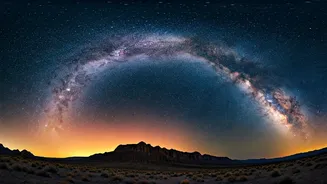



The Rise of Astrotourism
For years, the glow of urban life has veiled the cosmos, leaving most Indians with a view of only a handful of the brightest stars. But a quiet revolution is underway. Fuelled by a desire to disconnect, a fascination with the universe, and the accessibility
of powerful smartphone cameras, a growing number of travellers are seeking out India's 'dark sky' locations. These remote havens, free from the light pollution of cities, offer a celestial spectacle that is now flooding Instagram and YouTube—sparking a nationwide interest in astrotourism. It's more than just a trip; it's a profound experience of reconnecting with the vastness of the universe, and it’s more accessible than ever.
1. Hanle, Ladakh: India's Celestial Crown
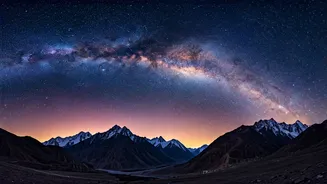
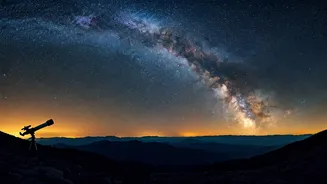
Tucked away in the Changthang region of Ladakh, the remote village of Hanle is the undisputed king of Indian stargazing. Home to the Indian Astronomical Observatory, its high altitude (over 4,500 metres), dry air, and near-zero light pollution create laboratory-like conditions for viewing the heavens. The Milky Way here isn't just a faint band; it's a brilliant, textured river of light stretching across the sky. The recent designation of the area as India's first Dark Sky Reserve has only cemented its status. A trip here is a pilgrimage for serious astronomers and casual sky-watchers alike, offering views of nebulae, distant galaxies, and meteor showers with startling clarity.
2. Spiti Valley, Himachal Pradesh: A High-Altitude Canvas
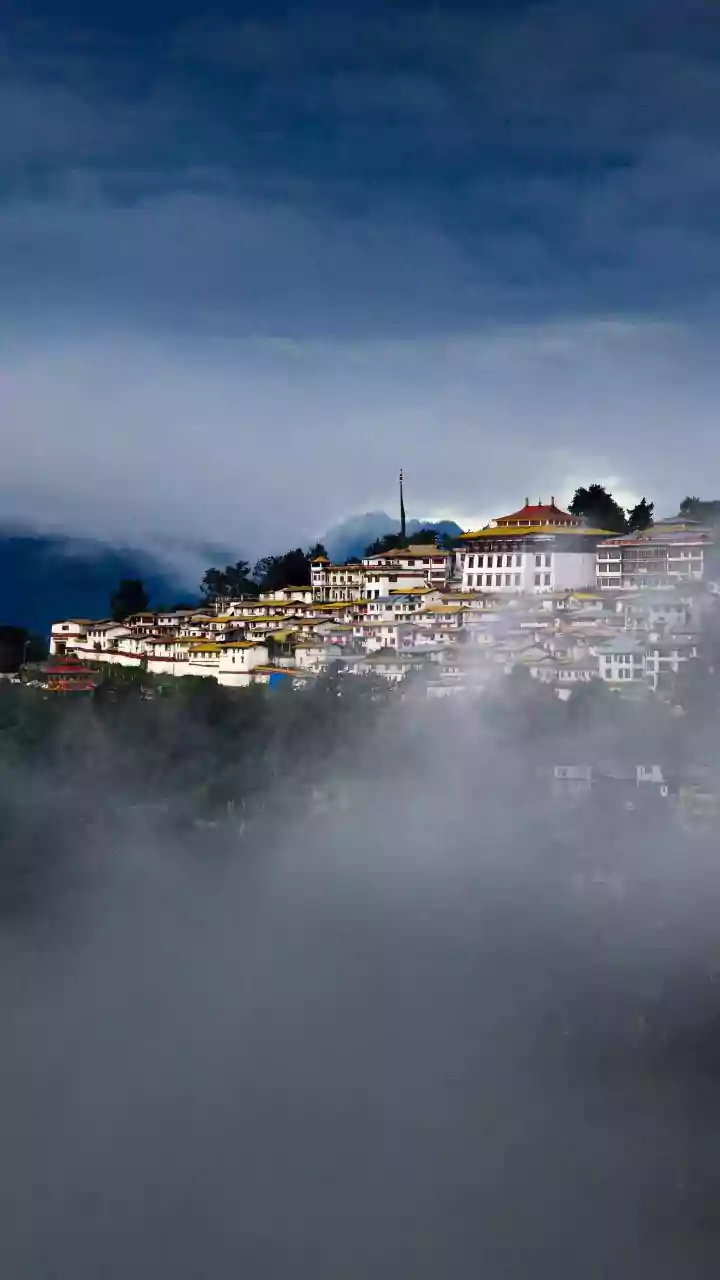
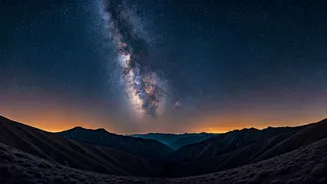
If Ladakh is the crown, Spiti Valley is the rugged, spiritual heart of Indian astrophotography. This high-altitude cold desert, with its stark landscapes and ancient monasteries, provides a dramatic foreground for celestial portraits. The sky above villages like Kibber, Langza, and Komik is so dark that the Milky Way can often be seen with the naked eye shortly after sunset. The combination of Tibetan culture, Himalayan peaks, and a star-dusted sky creates an otherworldly atmosphere. It's a challenging journey, but the reward is a sense of cosmic scale that’s hard to find anywhere else on Earth, making every viral photo from here an authentic testament to its beauty.
3. Coorg, Karnataka: The Western Ghats' Secret
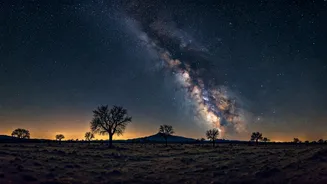
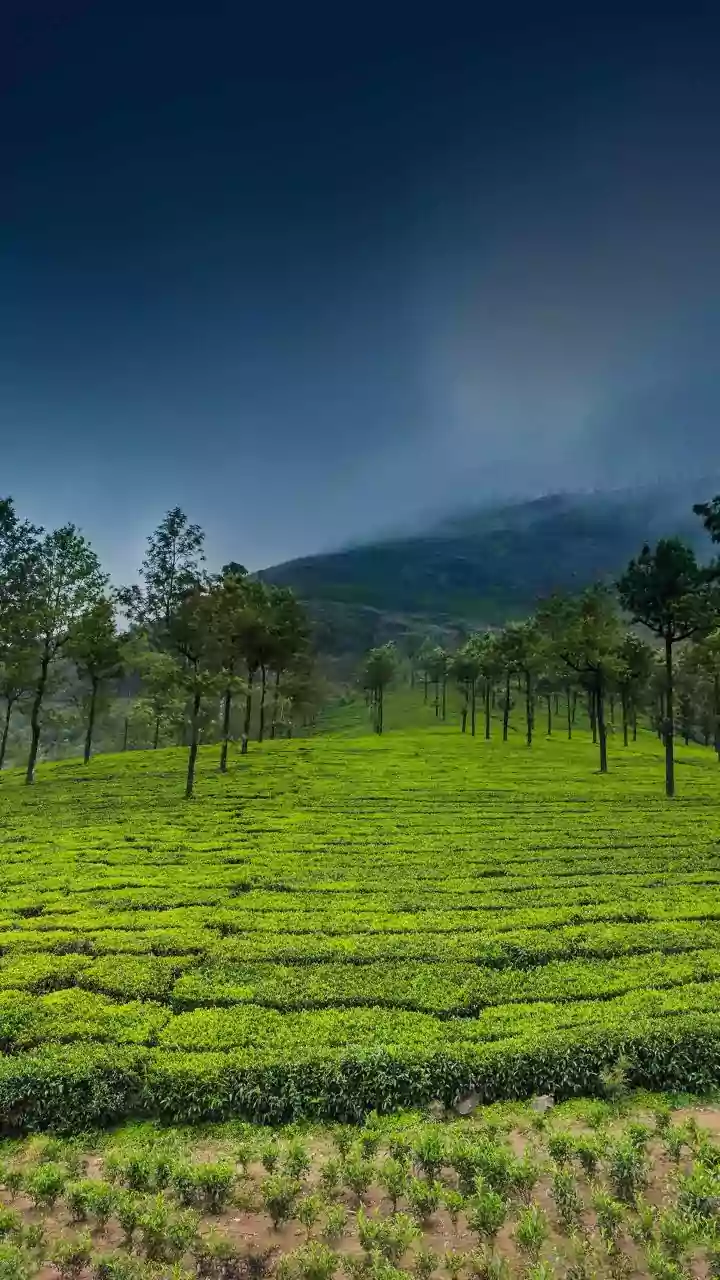
You don't always have to travel to the Himalayas for a clear view of the stars. Nestled in the Western Ghats, the coffee plantations and hills of Coorg (Kodagu) offer a surprisingly dark southern sky, especially during the dry winter months from October to March. While not as pristine as Hanle, getting away from the main towns and into the estates or remote homestays reveals a beautiful starscape. The lush greenery and misty mornings provide a different, more gentle context for stargazing. It’s the perfect option for those in South India looking for a weekend escape to trade city smog for cosmic dust.
4. Rann of Kutch, Gujarat: A Universe Over Salt
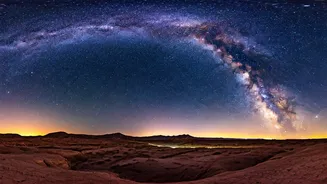
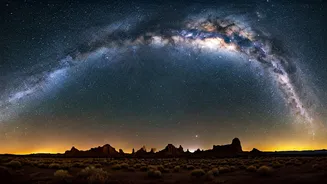
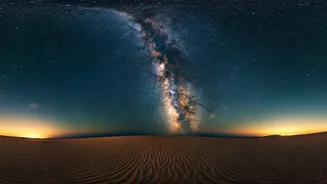
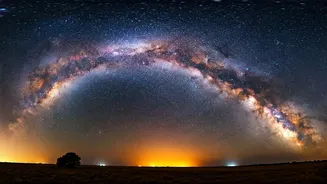
The Great Rann of Kutch is a landscape of surreal beauty, and this extends to its night sky. During the cooler months, especially around the Rann Utsav, the vast, flat expanse of the white salt desert transforms into an alien planet under the stars. With no hills or trees to obstruct the view, you get a 360-degree panorama of the horizon, making it feel like you're standing at the centre of a celestial dome. The sheer emptiness of the landscape amplifies the grandeur of the sky above. Photographers flock here to capture the Milky Way or star trails over the endless white salt, creating images that are both minimalist and profoundly cosmic.
Tips for Your Own Starry Adventure
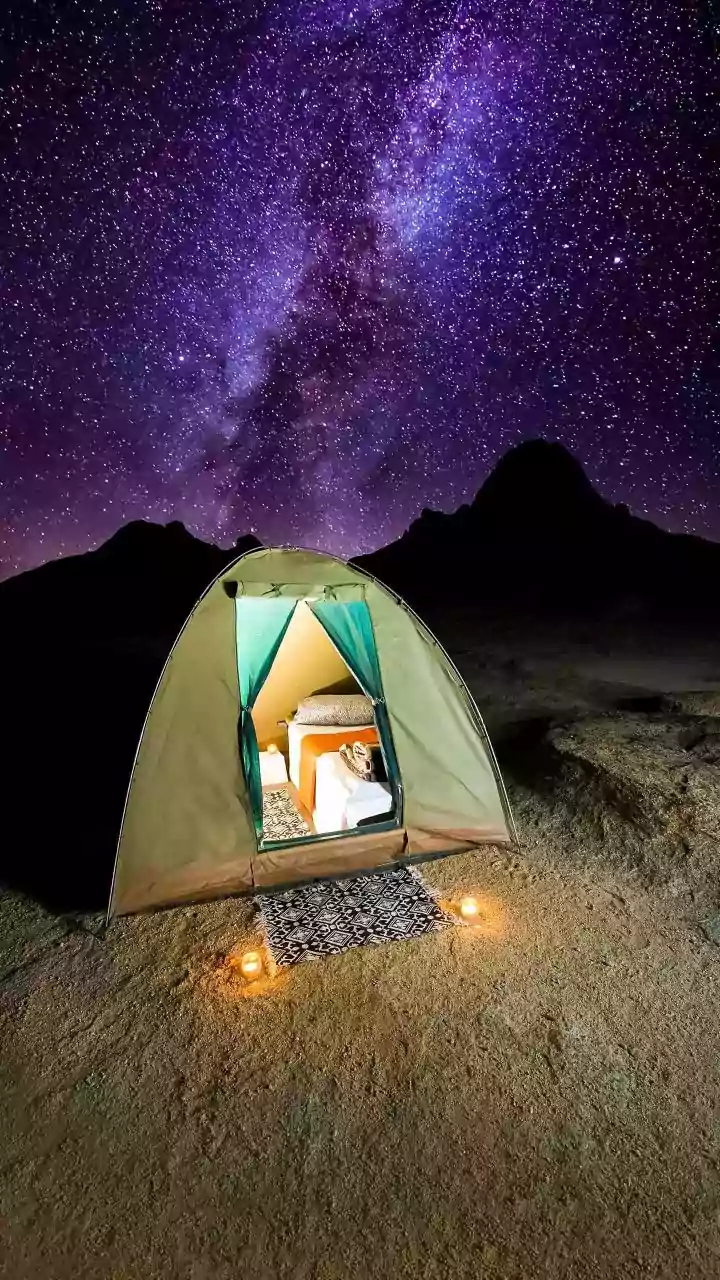
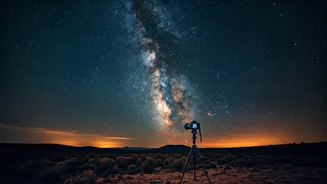
Inspired to see for yourself? Keep a few things in mind. First, timing is everything. Plan your trip around the New Moon, when the sky is at its darkest. Second, check the weather; clear, cloudless nights are essential. For photography, you don't need the most expensive gear to start. Many modern smartphones have excellent 'night mode' capabilities that can capture the Milky Way with a small tripod. Finally, download a stargazing app like Stellarium or SkyView to help you identify constellations, planets, and even the International Space Station as it passes overhead.