



Your Clothing: The Three-Layer Rule
Dressing for a monsoon trek is a science. The key is to avoid cotton at all costs, as it absorbs moisture, gets heavy, and can lead to hypothermia even in tropical climates. Instead, adopt the three-layer system. Start with a moisture-wicking base layer,
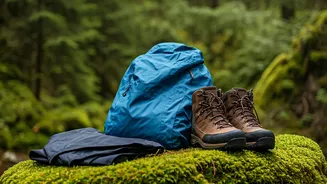
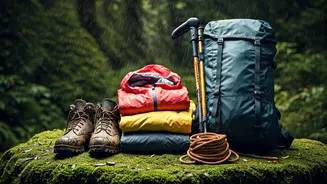
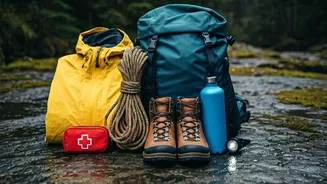
like a synthetic or polyester T-shirt, that pulls sweat away from your skin. Your second layer should be for insulation—a lightweight fleece is perfect for this, as it provides warmth even when damp. The final, and most crucial, is the outer shell: a reliable waterproof and windproof jacket. A good rain jacket or a poncho that can also cover your backpack is non-negotiable. Many experienced trekkers also recommend full-sleeved shirts and full-length pants to protect against insect bites and scratches.
Footwear: Grip is Everything
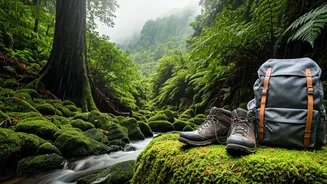
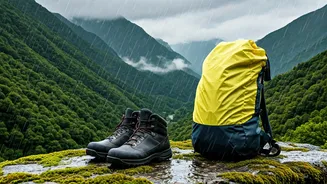
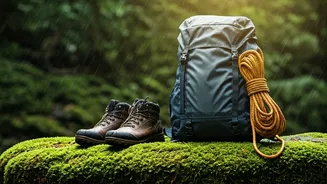
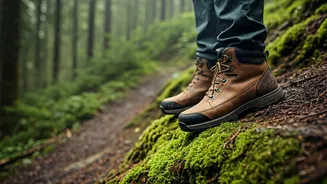
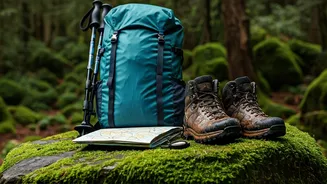
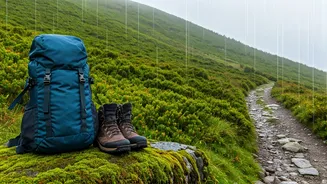
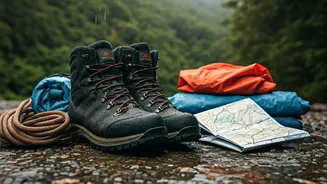
Your most critical piece of gear is what’s on your feet. Monsoon trails are notoriously slippery, with wet rocks, mud, and slick roots. Prioritize trekking shoes with deep grooves and soft rubber soles that offer excellent grip. While waterproof shoes with a GORE-TEX lining can keep your feet dry initially, many seasoned trekkers in India argue that water will eventually get in from the top. An alternative is to use quick-draining, non-waterproof shoes paired with waterproof socks. This combination allows water to escape the shoe, and the socks keep your feet dry. Regardless of your choice, never wear new shoes on a trek; always break them in first. Also, carry an extra pair of lightweight footwear like clogs or sandals for campsite use and river crossings.
Backpack and Gear Protection
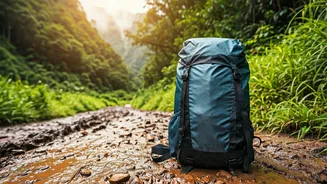
Assume everything will get wet. Your first line of defence is a good rain cover for your backpack. However, this is not enough for heavy, continuous rain. The best strategy is to waterproof from the inside out. Use dry sacks or heavy-duty plastic bags to compartmentalise and protect your essentials like clothes, electronics, and food. This double-layer system ensures that even if your pack gets damp, your critical gear remains bone dry. A waterproof headlamp is another essential, as visibility can drop suddenly in the afternoon. Trekking poles are highly recommended to provide stability on slippery descents and assist with balance during stream crossings.
On-Trail Safety and Navigation
Monsoon weather is unpredictable. Always check the forecast before you leave and inform a friend or family member about your route and expected return time. It's best to start your trek early in the morning, as rains often intensify in the afternoon, reducing visibility. Stick to well-marked trails and avoid taking shortcuts, which can be overgrown or lead to dangerous terrain. River and stream crossings are particularly hazardous during the monsoon. Assess the water’s depth and current before attempting to cross, and if in doubt, find an alternative route or wait. Trekking in a group is always safer than going solo.
Health, Hygiene, and Those Pesky Leeches
The monsoon brings out insects and leeches, especially in forested areas. Wear leech-proof socks or gaiters as a physical barrier. Applying a DEET-based insect repellent, salt water, or Dettol on your shoes and pants can also deter them. If a leech does attach itself, don't pull it off. Instead, apply salt, hand sanitiser, or gently slide a fingernail under its sucker to make it detach. The bite will bleed due to the leech's anticoagulant saliva, which is normal. Clean the wound with an antiseptic, apply pressure, and bandage it. Your first-aid kit should also include basics for cuts, blisters, and anti-fungal powder to prevent skin infections common in damp conditions.