




The Best Free Show of the Summer
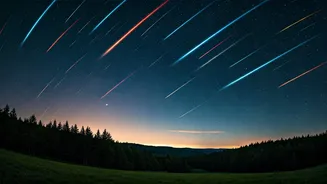
Every year, around the second week of August, our planet puts on a dazzling display known as the Perseid meteor shower. If you’ve ever wanted to see a sky streaked with shooting stars, this is your golden ticket. The Perseids are one of the most brilliant
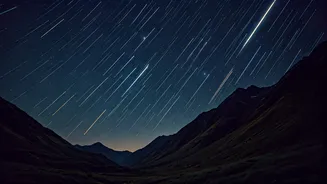
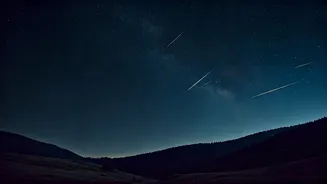
and reliable meteor showers of the year, peaking on warm summer nights when being outdoors is a pleasure, not a chore. So, what are you actually seeing? These streaks of light are not actually 'shooting stars.' They are tiny bits of space debris—most no bigger than a grain of sand—left behind by the comet Swift-Tuttle. Once a year, Earth’s orbit takes us through this trail of cosmic dust. As the particles hit our atmosphere at incredible speeds (around 37 miles per second), they burn up, creating the fleeting, fiery trails we see from the ground. It’s a beautiful, recurring reminder of our planet’s journey through a dynamic solar system.
More Than Just Shooting Stars
While many meteor showers offer a modest trickle of activity, the Perseids are famous for their high rate and dramatic flair. During its peak, you can expect to see anywhere from 50 to 100 meteors per hour under ideal conditions. This isn’t an event where you stare at the sky for an hour to see one faint streak; the action can be steady and thrilling. What truly sets the Perseids apart, however, are their fireballs. These are larger, exceptionally bright meteors that can blaze across the sky, leaving a glowing trail that can linger for several seconds. They are caused by slightly larger pieces of debris—perhaps the size of a pebble or a marble—and their brightness can even outshine the planet Venus. Seeing a Perseid fireball is an unforgettable experience, an exclamation point in a night already filled with celestial wonders. It’s this combination of quantity and quality that makes the Perseids the must-see event for casual and seasoned sky-watchers alike.
Your Viewing Game Plan
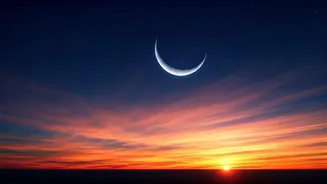
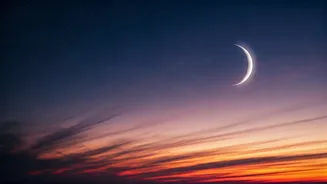
You don't need a PhD in astrophysics to enjoy the show. Success comes down to three simple factors: location, timing, and patience. First, get as far away from city lights as you can. Light pollution is the number one enemy of meteor watching. A state or national park, a rural backroad, or even a darker suburban backyard can work wonders. The darker your sky, the more you’ll see. Second, timing is everything. While the shower runs from mid-July to late August, the best action is during the peak, typically around August 12-13. The most crucial window is from midnight until just before dawn, when your part of the Earth is facing directly into the meteor stream. Before you go, check the phase of the moon. A bright moon can wash out fainter meteors, so a year with a new or crescent moon during the peak is ideal. Third, and most importantly, be patient. Your eyes need about 20-30 minutes to fully adapt to the darkness. Don’t just pop outside for five minutes and give up. Set aside at least an hour for the full experience.
Pack for Success (and Comfort)
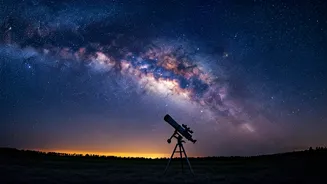
The best equipment for watching a meteor shower is no equipment at all. Telescopes and binoculars have a narrow field of view, which is the opposite of what you want. Your naked eyes are the perfect tools for scanning the entire sky. Instead of tech, focus on comfort. Bring a thick blanket, sleeping bag, or a reclining lawn chair so you can lie back and look straight up without straining your neck. August nights can get chilly, even in the summer, so pack an extra layer or a warm drink in a thermos. Snacks are always a good idea. Consider a stargazing app on your phone (like SkyView or Star Walk) to help you identify constellations, but be sure to switch it to 'red light mode' to preserve your night vision. Then, all you have to do is lie back, relax, and wait for the show to begin.