






More Than Just 'October Heat'
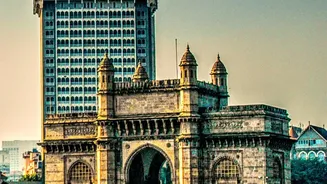
The term 'October heat' is a familiar one, typically describing the warm, humid days that follow the monsoon's withdrawal. However, the recent conditions have been far from typical. In early October 2026, Mumbai recorded its second-hottest October day in a decade,
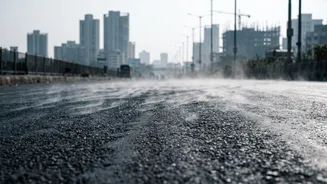
with temperatures hitting 38.2°C, over 5 degrees above normal. This has prompted the India Meteorological Department (IMD) to issue multiple heatwave alerts for the city and its surrounding regions. Experts explain this is not a simple seasonal transition. A combination of factors, including an anticyclonic circulation over the region and easterly winds, has suppressed the cooling sea breeze that normally provides relief to the coastal city. This prolonged spell, with seven consecutive days above 37°C, is unusually oppressive for Mumbai.
The City as a Concrete Oven
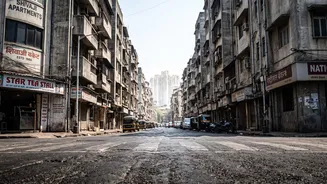
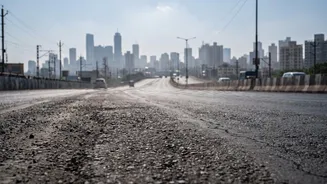
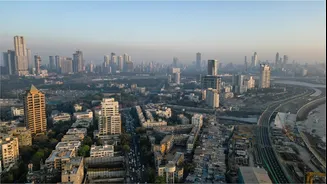
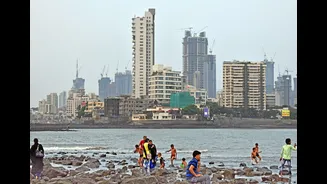
One of the key reasons this heat is so intense lies in the city’s landscape. Experts point to the 'urban heat island' effect, where concrete, roads, and buildings absorb and retain far more heat than natural landscapes. Over the past few decades, Mumbai has seen a drastic reduction in its green cover and open spaces. A study conducted between 1991 and 2018 revealed that Mumbai lost 40% of its green cover and 81% of its open spaces, while the built-up area increased by 66%. This rapid urbanisation, marked by large-scale infrastructure projects, replaces heat-dissipating greenery with heat-trapping surfaces, effectively turning parts of the city into ovens. In fact, temperatures in densely packed informal settlements can be 6-8°C warmer than in surrounding areas, magnifying the risk for the city's most vulnerable residents.
A Serious Threat to Public Health
The combination of extreme heat and high humidity is a dangerous cocktail. Doctors in Mumbai are already reporting an increase in patients suffering from dehydration, heat exhaustion, and heat stroke. High humidity prevents sweat from evaporating, which is the body’s primary cooling mechanism, significantly raising the risk of heat-related illnesses. Symptoms can range from dizziness and headaches to severe neurological complications, as extreme heat can disrupt blood flow to the brain. Outdoor workers, senior citizens, children, and those with pre-existing health conditions are most at risk. The problem is compounded by worsening air quality, as calm winds trap pollutants, leading to a higher Air Quality Index (AQI) and adding respiratory stress to heat stress.
A Glimpse of the 'New Normal'
Environmental experts are most concerned that this is not an isolated event but a clear signal of long-term climate change. The Mumbai Climate Action Plan (MCAP), a roadmap designed to make the city more climate-resilient, notes a consistent warming trend over the past several decades, with an average temperature increase of 0.25°C per decade. Projections from the Intergovernmental Panel on Climate Change (IPCC) warn that Mumbai can expect more frequent and intense heatwaves in the future. These events place enormous strain on city infrastructure, from the power grid dealing with surging demand from air conditioners to the water supply. The October heatwaves are a stark reminder of the urgent need to implement adaptation strategies, such as increasing green cover, promoting cool-roof technologies, and improving public access to cooling centres.