







The Gut-Brain Superhighway
You’ve probably heard the phrase “trust your gut,” but the saying is more literal than you might think. Your gut and brain are in constant two-way communication through what scientists call the gut-brain axis. This complex network involves the vagus nerve,
which acts like a direct information highway, as well as the immune system and various chemical messengers. What happens in your gut doesn't stay in your gut; it sends signals that can directly influence your mood, stress levels, and even cognitive functions like memory and focus. In fact, a significant portion of neurotransmitters like serotonin, which is crucial for happiness and well-being, is produced in the gut.
Meet Your Microbiome: The Key Players
Living inside your gut are trillions of microorganisms, including bacteria, collectively known as the gut microbiome. Think of it as a bustling internal ecosystem. When this ecosystem is balanced with beneficial bacteria, it supports everything from digestion to immunity. However, factors like stress, poor diet, and illness can disrupt this balance. A healthy microbiome is essential for a healthy brain. These beneficial gut microbes play a vital role in producing key chemicals and maintaining the gut lining, which prevents harmful substances from entering the bloodstream and causing inflammation that can affect the brain.
Fermentable Fiber: Fuel for Your Friends
This is where fermentable fiber comes in. Also known as prebiotics, this type of dietary fiber cannot be digested by your body but serves as the primary food source for your beneficial gut bacteria. When you consume these fibers, they travel to your colon, where the gut microbes ferment them. This fermentation process is crucial because it produces powerful compounds, most notably short-chain fatty acids (SCFAs) like butyrate, propionate, and acetate. These SCFAs are metabolic powerhouses that provide energy to your colon cells, strengthen your gut barrier, and reduce inflammation.
How Fiber Feeds Your Focus and Mood
The magic happens when those short-chain fatty acids (SCFAs) produced during fermentation enter the chat. They can travel through the body and even cross the protective blood-brain barrier to influence brain function directly. Research suggests SCFAs help regulate the production of neurotransmitters, protect brain cells, and may even boost levels of brain-derived neurotrophic factor (BDNF), a protein that encourages the growth of new neurons. A diet rich in fiber has been associated with a lower risk of depression and anxiety, as well as improved stress management and cognitive function. By feeding your good gut bacteria, you are essentially creating the raw materials your body needs for better mental and emotional regulation.
Your Fermentable Fiber Shopping List
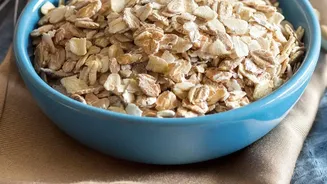
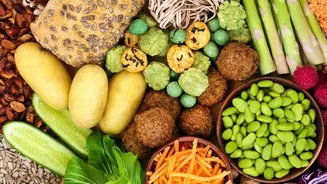
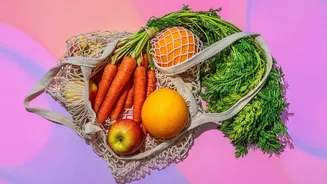
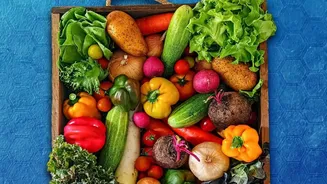
The great news is that many foods rich in fermentable fiber are already staples in the Indian diet. You don't need expensive supplements to start nourishing your gut-brain axis. Focus on incorporating a variety of these items into your meals: Pulses and Legumes: A cornerstone of Indian cuisine, dal (lentils), chana (chickpeas), and rajma (kidney beans) are packed with fermentable fiber. Sprouted moong is also an excellent choice. Whole Grains: Swap refined grains for whole ones like bajra (pearl millet), jowar (sorghum), ragi (finger millet), oats, and barley. These are not only high in fiber but also release energy slowly. Vegetables: Onions and garlic are prebiotic all-stars. Other fantastic options easily found in local markets include bhindi (okra), lauki (bottle gourd), palak (spinach), sweet potatoes, carrots, and cauliflower. Fruits: Bananas (especially slightly unripe ones), apples, and guavas are great sources of this beneficial fiber. Nuts and Seeds: Almonds, walnuts, and flax seeds provide fiber along with healthy fats.
Simple Swaps for a Happier Gut
Incorporating more fermentable fiber doesn't require a complete diet overhaul. Start with small, sustainable changes. Begin your day with a bowl of oats or a ragi dosa instead of a refined flour option. Make sure your lunch and dinner include a generous portion of dal or a legume-based curry like chana masala. Add a variety of colourful vegetables to every meal, even if it's just a simple kachumber salad on the side. Snacking on a banana or a handful of almonds is another easy win. The key is variety; eating a wide range of these plant-based foods ensures you're feeding a diverse community of gut microbes, which is crucial for a resilient and healthy microbiome.