




The Scarcity of a Caliber Player
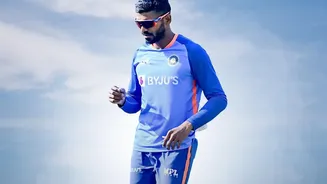
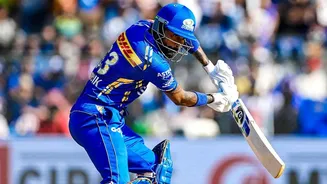
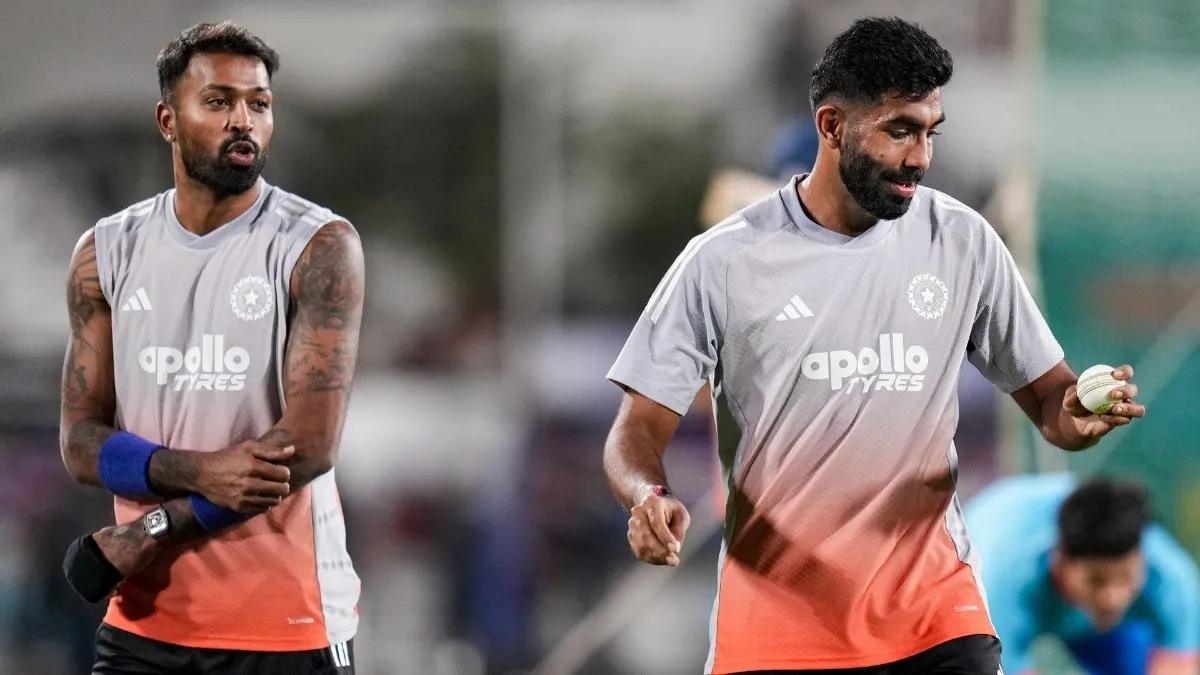
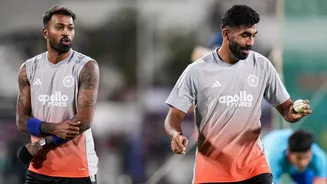
The single most compelling reason for Mumbai Indians to hold onto Hardik Pandya is his rarity. Elite Indian all-rounders who can bowl pace and change a game with the bat are the rarest and most valuable assets in the IPL. Trading Pandya would mean letting
go of the country's number one player in this category, creating a void that is almost impossible to fill through auctions or trades. Other teams like KKR, CSK, and LSG are reportedly interested precisely because they understand this value. For MI, the question isn't just what they get in return, but the bigger strategic loss of strengthening a direct rival with a player of Hardik's unique skills, even if his recent form has been inconsistent.
The Complexities of a High-Value Trade
Executing a trade for a player of Hardik's stature is a massive financial and logistical challenge. His high price tag makes a direct cash deal difficult for many franchises. More likely would be a player-plus-cash swap, which introduces another layer of complexity. Reports suggest that interested teams like KKR are reluctant to part with their own marquee players to secure a deal. Furthermore, there is no guarantee that a player received in a trade would offer the same match-winning potential or fill MI's specific needs. Mumbai Indians hold a strong negotiating position; if no team can present an overwhelmingly beneficial package, standing pat becomes the most logical move. The preliminary nature of talks with CSK and KKR suggests that no such offer has yet materialized.
A Captaincy Conundrum
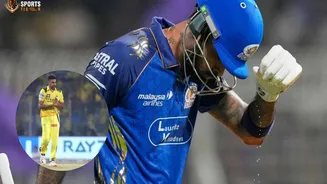
Hardik's captaincy in the 2026 season was heavily criticized, and the team's ninth-place finish speaks for itself. However, trading a captain after a short, troubled stint is a drastic move that can signal instability within a franchise. Mumbai Indians have historically valued continuity. While reports have circulated about Pandya wanting to leave, MI management has remained publicly non-committal, stressing that a post-season review is ongoing. The franchise might view the 2026 season as a painful but necessary adjustment period after the major leadership transition. Backing their captain for another season could be seen as a move to restore stability and project confidence, rather than making a knee-jerk reaction to a single season's results. It's a choice between a clean break and the belief in a redemption arc.
The Long-Term Vision
Franchise decisions are not just about the next season, but about multi-year cycles, especially with a mega auction on the horizon after IPL 2027. Mumbai's disappointing results under Pandya began in 2024 when they finished last, followed by a run to Qualifier 2 in 2025, and then the 2026 slump. Despite the poor finishes, the franchise may still see Pandya as a long-term pillar to build around. He is currently working on his fitness at the Centre of Excellence in Bengaluru, showing a commitment to returning to his peak. MI could be betting on his return to form and his experience leading a team to a title with Gujarat Titans. Letting go of a player they invested in so heavily, both in bringing him back and appointing him captain, would be an admission of a significant strategic failure.