





The Familiar Agony of a Hill Drive
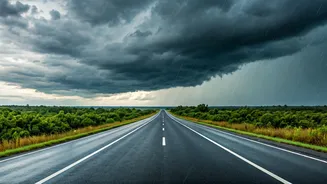
Driving into the heart of Uttarakhand’s Garhwal region is a journey of contrasts. For every breathtaking vista, there is a hairpin bend that tests your nerve. For every serene valley, there is a traffic jam snaking up a narrow pass. The experience, while
rewarding, is often fraught with stress. Drivers must contend with steep inclines, the constant risk of landslides during monsoon season, and roads that are frequently clogged with tourist traffic. A recent viral video of a car repeatedly failing to navigate a steep bend in Landour highlighted a common problem: many drivers are simply not prepared for the unique challenges of mountain roads. This can lead to fatigue, anxiety, and dangerous situations on routes that demand total concentration. The journey often becomes more about survival than enjoyment, with long hours on the road eating into precious holiday time.
An Engineering Marvel Through the Mountains
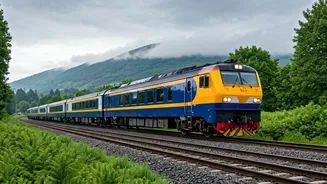
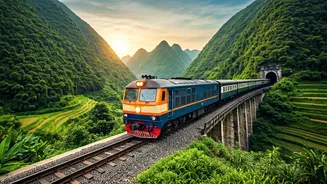
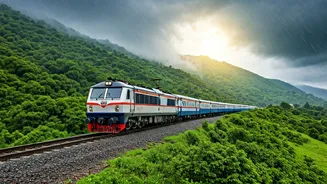
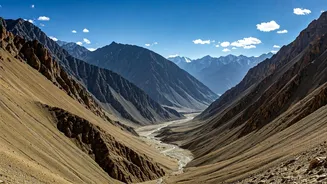
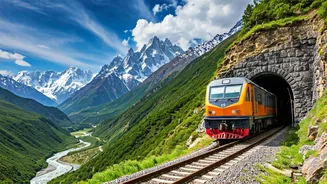
Enter the Rishikesh-Karnaprayag railway line, a game-changing infrastructure project poised to redefine travel in the region. This 125-km broad-gauge line is one of the most ambitious undertakings by Indian Railways, designed to connect Rishikesh with Karnaprayag and provide all-weather access to the Char Dham pilgrimage sites of Badrinath and Kedarnath. What makes this project an engineering marvel is its route. Over 105 km of the line—nearly 85% of its total length—runs through 17 tunnels, including one that is over 15 km long. The line also features 19 major bridges that span deep gorges and rivers. This design minimises environmental disruption to the fragile Himalayan ecosystem while creating a safe and reliable transport corridor. Uttarakhand's Chief Minister has repeatedly stressed the project's strategic importance for development, tourism, and pilgrimage, urging its timely completion.
Trading Traffic Jams for Panoramic Views
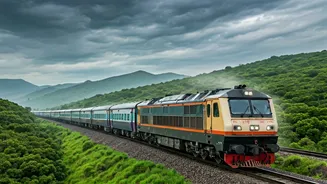
The new line is not just about getting from point A to point B; it is about transforming the journey itself. The travel time between Rishikesh and Karnaprayag is expected to be slashed from the current 6-8 hours by road to just over 2 hours by train. This frees up an entire day for travellers. More importantly, it replaces the stress of driving with the comfort of a modern train. Plans include running Vistadome coaches on this route, which are already popular on other scenic lines across India. These coaches feature large glass windows and transparent roofs, offering passengers panoramic, uninterrupted views of the stunning Himalayan landscape. Imagine gliding through lush valleys and alongside roaring rivers, all from the comfort of a rotating seat, instead of being stuck behind a truck on a narrow, winding road. It’s a shift from a test of endurance to an immersive travel experience.
A Boost for Pilgrims, Tourists, and the Local Economy
The impact of the Rishikesh-Karnaprayag line extends far beyond passenger convenience. It serves as a crucial feeder route for the larger Char Dham Railway project, which aims to connect all four holy shrines by rail. This will provide safe, fast, and reliable connectivity for lakhs of pilgrims who visit the region annually. The project is also a massive economic catalyst. During its construction, it has already created thousands of jobs. Once operational, it is expected to boost tourism, facilitate trade, and stimulate local economies around the 12 stations on its route, which include key locations like Devprayag, Srinagar, and Rudraprayag. By encouraging a shift from road to rail, the project also promises significant environmental benefits, reducing fuel consumption, vehicular pollution, and the strain on the mountain road network.