


Embrace Slow-Release Carbohydrates
Instead of relying on foods that give a quick but fleeting energy spike, focus on complex carbohydrates that provide sustained fuel. Vrat-friendly flours like kuttu (buckwheat), rajgira (amaranth), and singhara (water chestnut) are excellent choices for
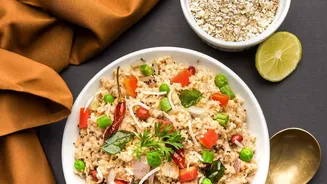
making rotis or cheelas. These flours are not only gluten-free but also packed with fibre, which aids in slow digestion and a steady release of energy. Sweet potatoes are another star performer; rich in fibre and complex carbs, they can be boiled, roasted, or made into a chaat to keep you full for hours. Similarly, samak rice (barnyard millet) is a light and easy-to-digest grain alternative perfect for making khichdi or pulao.
Power Up with Vrat-Friendly Protein
Protein is crucial during fasting to maintain muscle health, promote satiety, and keep energy levels stable. Many people associate fasting with a lack of protein, but there are plenty of permitted sources. Paneer (cottage cheese) is a top-tier option; it can be grilled or added to salads for a filling meal. Dairy products like milk, curd (yoghurt), and buttermilk are also excellent for providing high-quality protein and calcium. A bowl of curd or a glass of lassi can be both cooling and energising. For a plant-based protein punch, turn to nuts and seeds. Almonds, walnuts, and peanuts provide healthy fats and protein that help fend off hunger pangs.
Incorporate Healthy Fats for Fullness
Healthy fats are essential for long-lasting energy. Including them in your meals helps you feel satisfied and prevents the lethargy that can set in during a fast. Peanuts are a fantastic source, offering both protein and healthy fats. They can be roasted for a simple snack or added to sabudana khichdi for extra texture and nutrition. Makhana (fox nuts), roasted in a little ghee, is another light yet filling snack rich in protein and essential minerals. Don't shy away from using ghee for cooking; it's a traditional fat source that provides energy and helps in the absorption of fat-soluble vitamins.
Prioritise Hydration and Electrolytes
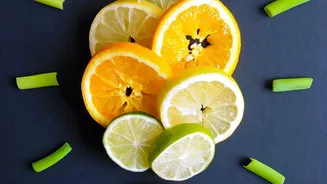
Dehydration is often mistaken for hunger and can be a major cause of fatigue, especially in the humid monsoon weather. It is vital to drink plenty of water throughout the day. Beyond water, natural drinks can replenish lost electrolytes. Coconut water is an excellent choice, as is homemade nimbu pani (lemon water) with a pinch of sendha namak (rock salt) instead of regular salt. Fresh fruits with high water content, like watermelon, cucumber, and bottle gourd (lauki), also contribute to your hydration needs while providing essential vitamins.
Smart Snacking Between Meals
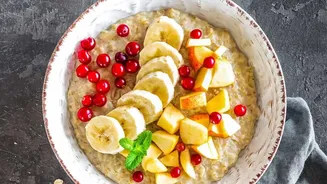
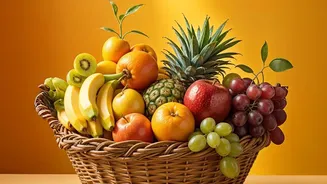
To avoid energy slumps between your main meals, plan for smart, nutrient-dense snacks. A mixed bowl of fresh fruits like bananas, apples, and papaya provides natural sugars for a quick but healthy energy boost. A handful of mixed dry fruits and nuts such as almonds, walnuts, and dates is another excellent, portable option to keep handy. Roasted makhana or a small bowl of curd with fruits can also serve as a satisfying and energising snack that aligns with fasting principles. The goal is to eat small, frequent meals rather than large, heavy ones to keep your digestive system comfortable and your energy steady.