






The Illusion of Plenty
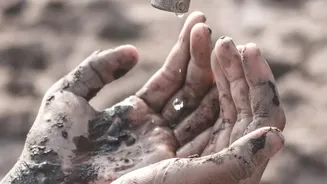
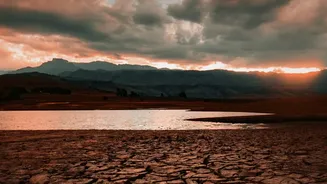
The end of the monsoon often brings a collective sigh of relief. However, data from late September 2026 shows a concerning picture. According to the Central Water Commission, water storage in India's major reservoirs is at 70% of total capacity, which
is below the ten-year average of 76.62%. Southern India is facing a particularly stark situation, with reservoirs at just 50% of their capacity. This post-monsoon period isn't a time for complacency; it's a critical window for conservation. The water available now needs to supply our drinking, sanitation, and agricultural needs until the next rains, making every drop saved a vital buffer.
Tackle Your RO Purifier's Thirst
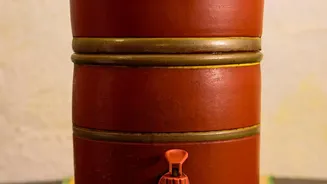
The Reverse Osmosis (RO) water purifier, a common sight in urban Indian kitchens, is a major source of hidden water waste. For every litre of water it purifies, an average RO system wastes about three litres of 'reject water'. This means a single household can waste thousands of litres each month. Instead of letting this water go down the drain, collect it. While it's not safe for drinking due to a high concentration of dissolved solids, it is perfectly suitable for mopping floors, washing utensils, cleaning vehicles, and watering plants. A simple bucket or a small storage tank can turn this waste into a valuable resource.
Embrace the Humble Bucket
The debate between a shower and a bucket bath has a clear winner when it comes to water conservation. A quick five-minute shower can use between 30 and 50 litres of water, while a full bathtub can consume over 150 litres. In contrast, a standard bucket bath uses just 15 to 20 litres. Making the switch for your daily bathing routine is one of the single most effective ways to slash your household's water consumption. It's a traditional practice that holds a powerful solution to a modern problem, giving you complete control over the amount of water used.
Make Every Wash Cycle Count
Your washing machine and dishwashing habits also offer significant opportunities to save water. Only run your washing machine and dishwasher when you have a full load. This simple change prevents wasting water and energy on partial loads. When washing vegetables, don't let the tap run continuously. Instead, use a large bowl of water for rinsing. This collected water, free of soap, can then be reused to water your houseplants. These small adjustments in your kitchen and laundry routine collectively save a substantial amount of water over time.
Become a Leak Detective
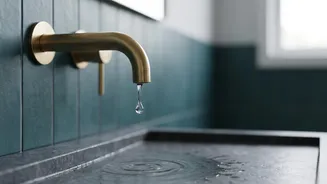
A slowly dripping tap or a constantly running toilet flush might seem like minor annoyances, but they represent a significant and constant drain on your water supply. A single tap dripping can waste hundreds, if not thousands, of litres of water over a year. Make it a household priority to regularly check all taps, pipes, and toilet cisterns for leaks. Many of these issues can be fixed with simple tools and inexpensive replacement parts. Turning a blind eye to a small leak is like leaving a tap open; the cumulative loss is enormous and entirely preventable.
Rethink Outdoor Water Use
Water usage extends beyond the four walls of your home. When it comes to cleaning driveways, balconies, or sidewalks, reach for a broom instead of a hose. Hosing down these surfaces uses a tremendous amount of water for a task that can often be done just as effectively by sweeping. For gardening, water your plants early in the morning or late in the evening to minimize evaporation. Consider using drip irrigation systems, which deliver water directly to the roots, reducing waste. These mindful practices for outdoor spaces are crucial for overall water management.