




A Price Tag Written in Starlight
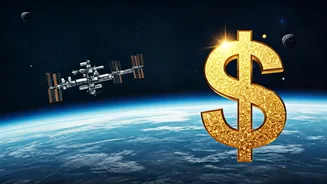
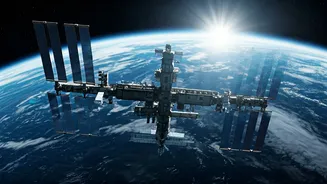
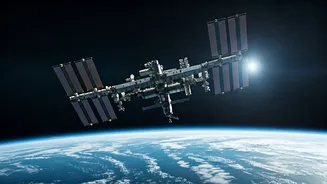
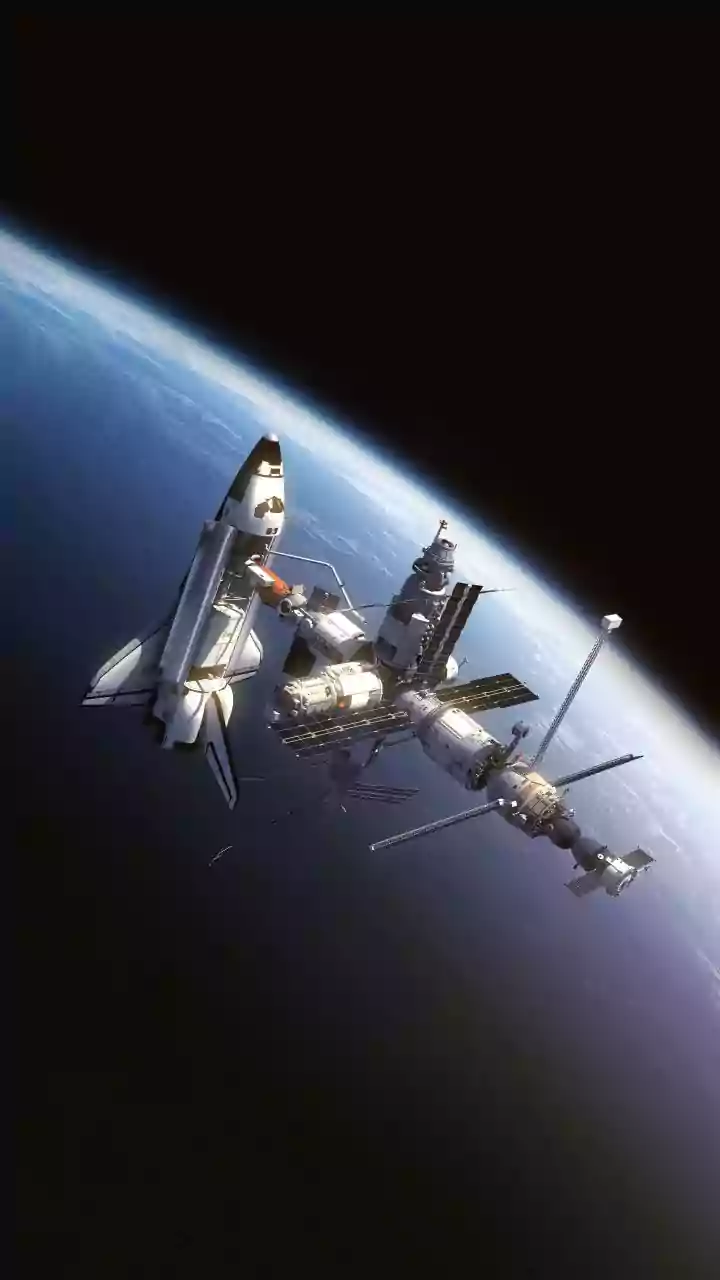
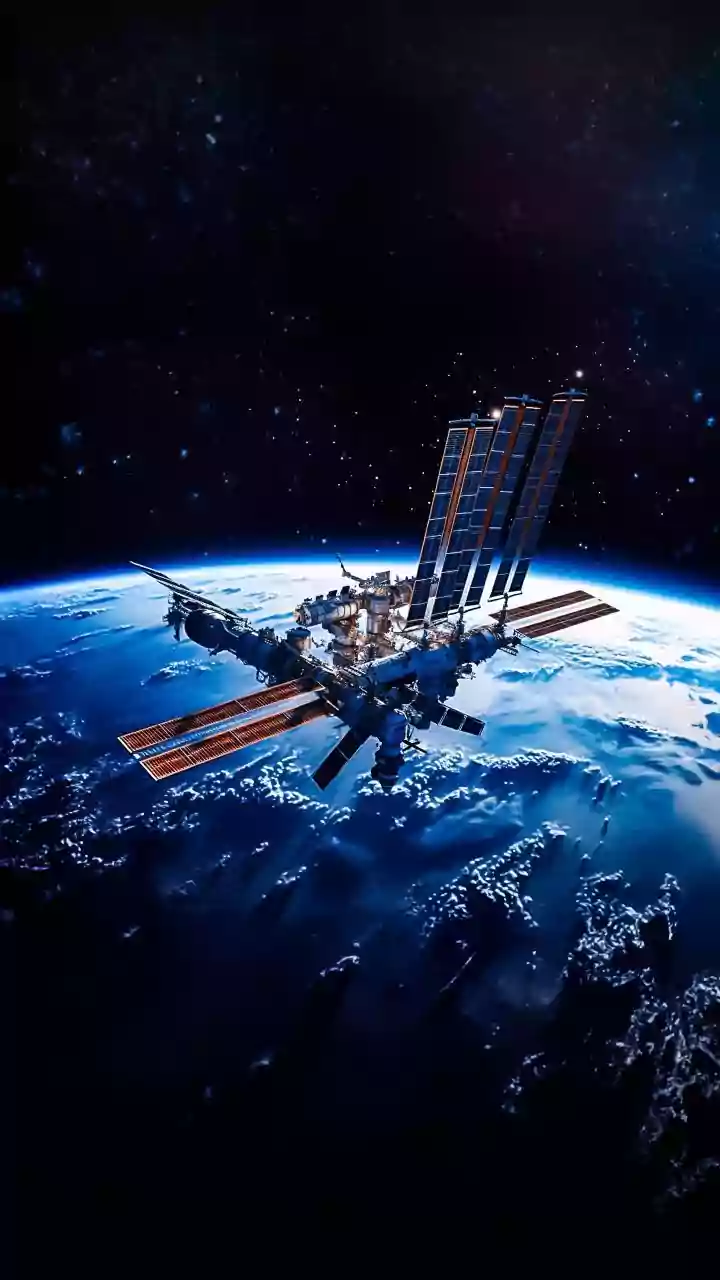
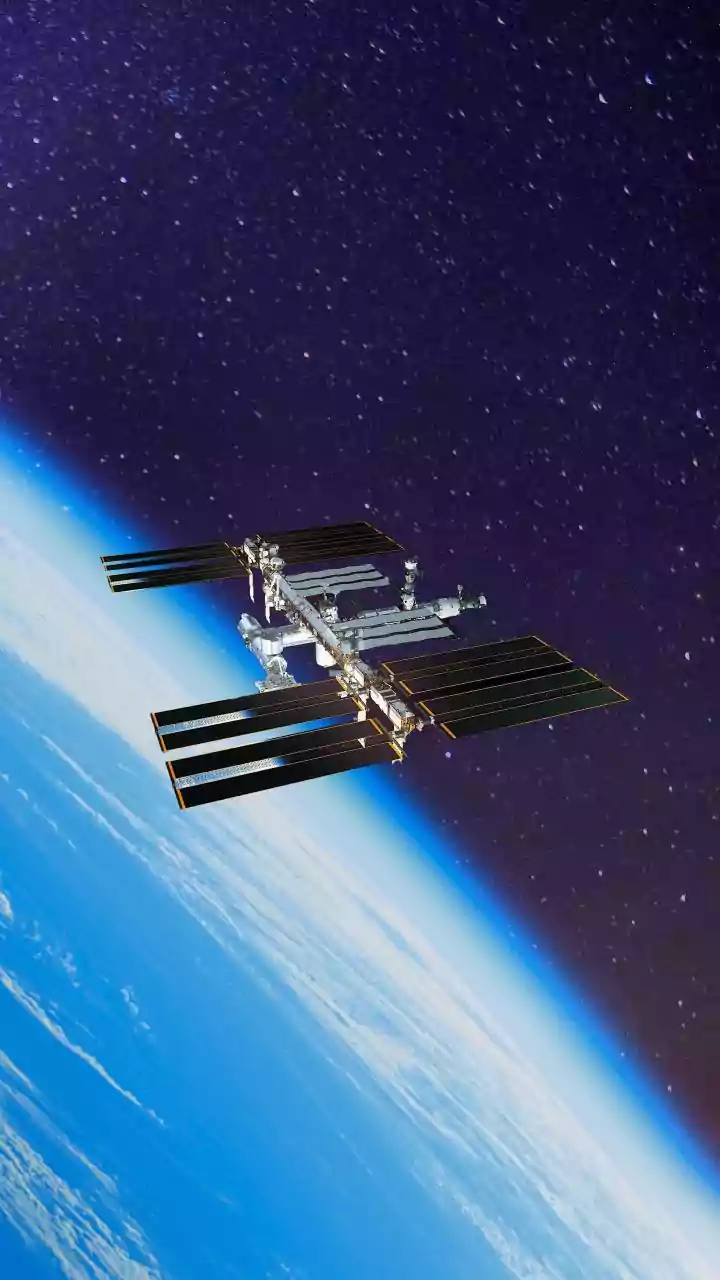
The International Space Station (ISS) is an icon of human achievement, but it comes with a celestial-sized bill. Over its lifetime, the ISS has cost an estimated $150 billion, with annual operating costs running between $3 to $4 billion. As NASA plans
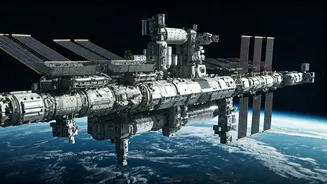
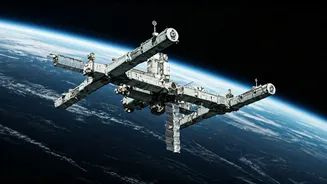
to retire the aging outpost around 2030, a new generation of commercial space stations from companies like Axiom Space, Blue Origin, and the Starlab venture by Voyager Space and Airbus are set to take its place. While these new stations are projected to be significantly cheaper—with development costs in the single-digit billions—these figures are still high enough to raise eyebrows, especially in the tech world. The sheer scale of investment required just to get a foothold in low-Earth orbit serves as a reality check for an industry accustomed to more terrestrial-bound balance sheets.
The Silicon Valley vs. Space Culture Clash
Tech creators thrive on a mantra of “move fast and break things.” They build digital products on iterative cycles, scale them to millions of users with minimal marginal cost, and often see hardware as a commodity. This mindset is fundamentally at odds with the realities of space. You cannot beta test a life-support system. There are no software patches for a hull breach. In space, the hardware is everything, and it must work perfectly in one of the most hostile environments imaginable, where help is days away, not a click away. Every component must be built with extreme redundancy and withstand radiation, vacuum, and massive temperature swings. This meticulous, high-stakes engineering is expensive and slow, a direct contradiction to the agile development philosophy that powers Silicon Valley.
Where Moore's Law Doesn't Apply
The tech industry is built on the foundation of Moore's Law—the observation that computing power doubles roughly every two years while costs halve. This has created an expectation of exponential progress and cost reduction. Space exploration, however, operates under the tyranny of the rocket equation. Launching mass into orbit remains incredibly expensive, despite recent innovations. While companies like SpaceX have drastically reduced launch costs, getting materials and people into space is still a monumental and costly undertaking. For tech creators used to seeing technology become exponentially cheaper and more powerful, the stubbornly high cost of building and operating a physical outpost in space is a source of shock. The laws of physics, it turns out, are a formidable barrier to disruption.
A Reality Check for the New Space Economy
For years, the tech sector has looked to space as the next frontier for investment and innovation, envisioning a bustling commercial economy in low-Earth orbit. These new, eye-watering cost projections for commercial stations, while lower than the government-led ISS, serve as a stark reminder of the immense capital required. The business case for these stations relies heavily on NASA becoming a primary customer, alongside nascent markets like in-space manufacturing, pharmaceuticals, and tourism. For tech investors accustomed to purely commercial, scalable business models, the reliance on government contracts and the uncertain timeline for profitability in these new markets can be jarring. This isn't about creating the next viral app; it's about building foundational, long-term infrastructure in the most challenging environment known to humanity.