


Why Quarantine is a Non-Negotiable First Step
The single most effective way to protect your existing houseplants from pests and diseases is to quarantine any new addition. A plant can look perfectly healthy at the nursery while harbouring tiny pests like spider mites, mealybugs, scale, or thrips,
or their eggs. These infestations often don't become visible until the population grows, by which time they may have already spread. Think of quarantine as biosecurity for your indoor garden. Skipping this step is a gamble that can lead to a frustrating, time-consuming, and potentially costly battle to save your beloved plants from an outbreak.
Setting Up Your Isolation Zone
An effective quarantine requires true physical separation. Ideally, place your new plant in a different room from your current collection for a period of two to four weeks. Pests like fungus gnats can fly, and others can travel short distances between pots, so simply placing a new plant on the other end of the same shelf is not enough. A guest bathroom, a laundry room with a window, or a spare bedroom are all excellent choices. The goal is to find a spot where the plant receives appropriate light for its needs without sharing air space or proximity with your other plants. If a separate room isn't possible, some experts suggest placing the plant inside a large, clear plastic bag with ventilation holes, though this requires careful monitoring to prevent suffocation or overheating.
The Comprehensive Leaf Inspection
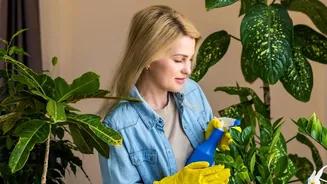
Once your plant is in its quarantine zone, it's time for a thorough inspection. Pests love to hide, so be meticulous. Check the tops and, most importantly, the undersides of every single leaf. Look for fine webbing, which is a classic sign of spider mites. White, cotton-like fluff in the joints where leaves meet the stem often indicates mealybugs. Tiny, flat brown or tan bumps that can be scraped off with a fingernail are likely scale insects. Also, watch for any stippling, silvery streaks, or yellowing spots on the leaves, as these can be signs of damage from feeding insects. Using a magnifying glass can be a huge help in spotting these minuscule invaders before they become a major problem.
Examining the Soil and Roots
Pests don't just live on leaves; they also thrive in soil. Check the surface of the potting mix for any signs of movement. Small, dark flies that emerge when you water or move the pot are likely fungus gnats. To check for their larvae, look for tiny, worm-like creatures just below the soil surface. If you feel comfortable, gently slide the plant out of its pot to inspect the root ball. Healthy roots are typically firm and white or light-coloured. Dark, mushy, or bad-smelling roots are a sign of root rot, often caused by overwatering, which can also attract pests. While the plant is out of its pot, look for pests like ants or sowbugs that may be hiding in the lower layers of soil.
Don’t Forget to Check the Pot
The pot and its saucer can also be hiding places for pests. Before you even begin the detailed plant inspection, it’s a good practice to wipe down the exterior of the pot. Pay close attention to the rim, the base, and especially the drainage holes. Some insects lay their eggs in these protected crevices. If the plant has a saucer, clean it thoroughly. Any standing water or debris can create a welcoming environment for unwanted guests. This simple step ensures that no pests are hitching a ride on the container itself, waiting for an opportunity to move onto the plant or into the soil.
The Waiting Game and Final Clearance
The standard quarantine period is a minimum of two weeks, but four to six weeks is even safer. This duration accounts for the life cycles of most common houseplant pests, ensuring that any eggs present have time to hatch. During this isolation period, care for the plant as you normally would, and perform your leaf and soil checks weekly. Some plant owners choose to proactively treat new plants with insecticidal soap or a neem oil solution as a preventative measure. At the end of the quarantine period, perform one final, thorough inspection. If you find no signs of pests or disease after several weeks, you can confidently introduce your new, healthy plant to the rest of your green family.