

Understanding the Sadya Feast
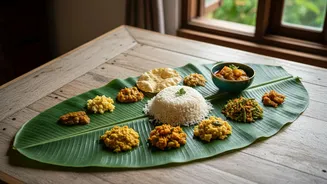
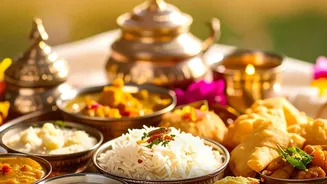
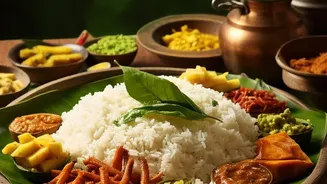
A Sadya, which means banquet in Malayalam, is a traditional vegetarian meal from Kerala served on a banana leaf. It is a central part of festivals like Onam and Vishu, as well as weddings and other special occasions. A full Sadya can feature over two
dozen dishes, all served in a specific order. The meal is designed to be a balanced experience, incorporating all six tastes: sweet, sour, salty, spicy, bitter, and astringent. From the main course of rice to a variety of curries, dry vegetables, pickles, and desserts, each component has a specific role on the leaf.
The Essential Dishes
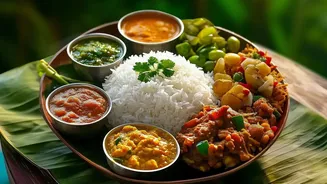
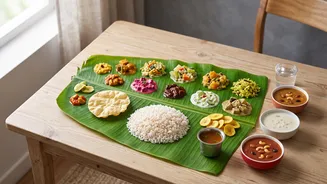
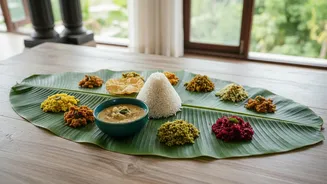
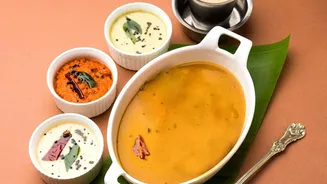
While a Sadya can have many items, a few are considered non-negotiable. At the center is steamed red rice, often Kerala Matta rice. Key curries include Parippu (a simple lentil curry with ghee), Sambar (a hearty vegetable and lentil stew), and Rasam (a thin, peppery soup). Vegetable dishes are crucial, especially Avial, a mix of vegetables in a coconut and yogurt gravy. Other staples include Thoran (a dry stir-fry with coconut), Olan (a mild curry with ash gourd and coconut milk), and Kaalan (a thicker, sour curry with yogurt and yam or plantain). No Sadya is complete without accompaniments like Pappadam, banana chips, and tangy pickles like Puli Inji. The feast traditionally ends with Payasam, a sweet pudding.
Planning Your Cook: A Timeline
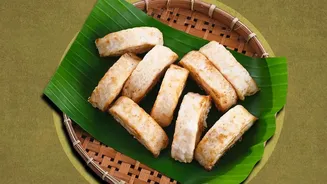
The secret to a stress-free Sadya is planning ahead. Trying to cook everything on Onam morning is a recipe for chaos. Instead, stagger your preparation over a few days. Two or Three Days Before: This is the time for shopping and making items that keep well. Prepare pickles like Puli Inji and Mango Achar, which taste even better after a few days. You can also make Sharkara Upperi (jaggery-coated banana chips). The Day Before: This is your main prep day. Chop all the vegetables for your dishes and store them in containers in the fridge. You can also grate coconut, which is used in most dishes. Some curries like Sambar can be prepared a day in advance. Lentils can be boiled and stored. Onam Morning: Focus on the dishes that need to be fresh. This includes cooking the rice, Avial, Thoran, and any yogurt-based dishes like Pachadi. Fry the Pappadams last to ensure they are crisp.
Cooking Tips for a Smoother Sadya
To make the cooking process more efficient, think in batches. Many Kerala dishes share a base of ground coconut, green chilies, and cumin seeds; you can grind this paste in bulk and divide it among different preparations like Avial and Thoran. Similarly, the tempering of mustard seeds, curry leaves, and red chilies in coconut oil can be done in a larger quantity and added to multiple dishes near the end. Use a pressure cooker to speed up the cooking of lentils and vegetables. Don't feel pressured to make every single dish; even a simpler Sadya with six or seven core items can be incredibly special and festive.
The Art of Serving
Serving the Sadya is a ritual in itself. The banana leaf is traditionally placed with its narrow end pointing to the left of the guest. The accompaniments and side dishes are served on the top half of the leaf. This includes items like banana chips, pickles, Pachadi, Kichadi, Avial, and Thoran. The lower half is reserved for the rice, which is served first. The Parippu curry is poured over the rice first, followed by a spoonful of ghee. Sambar is the next main curry. Rasam and buttermilk (Moru) are typically served towards the end of the meal to aid digestion, before the final course of Payasam.