






The Silent Deficiency
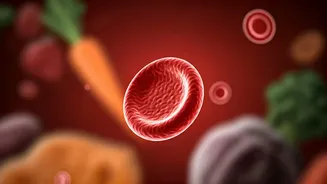
Vitamin B12, or cobalamin, is a powerhouse nutrient essential for creating red blood cells, maintaining a healthy nervous system, and synthesizing DNA. Unlike most other vitamins, B12 is not made by plants or animals; it's produced by microorganisms.
Animals get it by eating contaminated soil or other animal products, and it accumulates in their tissues. This makes meat, fish, eggs, and dairy products the primary natural sources for humans. The problem for vegetarians is stark: plant-based foods do not naturally contain active Vitamin B12. Studies across India reveal an alarmingly high prevalence of B12 deficiency, with some meta-analyses indicating that over 50% of the general population and up to 65% of vegetarians have inadequate levels. The body can store B12 for several years, which means a deficiency can creep up slowly, often going unnoticed until symptoms become significant.
The Indian Vegetarian's Dilemma
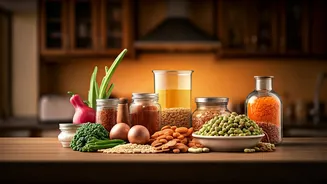
A traditional Indian vegetarian diet—rich in dals, rotis, rice, and vegetables—is nutritious in many ways but falls short on B12. While lacto-vegetarians consume dairy, the amount of B12 in milk and curd is often insufficient to meet daily needs unless consumed in very large quantities. One cup of milk, for instance, provides about half of the daily required value. Compounding the issue is that the practice of fortifying foods like cereals and plant-milks with B12 is far more limited in India compared to Western countries. This leaves a significant nutritional gap. Many people who have been vegetarian since childhood may start their adult lives with lower B12 reserves, making them more susceptible to deficiency over time.
Common Myths Debunked
Several myths persist about vegetarian B12 sources. Many believe that fermented foods like homemade dahi (curd) are rich in B12. While fermentation can produce B12, the amounts in traditional Indian fermented foods like idli, dosa, or dahi are generally inconsistent and not considered a reliable source to prevent deficiency. Similarly, so-called 'superfoods' like spirulina or certain seaweeds are often touted as plant-based B12 sources. However, they typically contain B12 analogues, an inactive form that can actually interfere with the absorption of true B12 and can make deficiency look 'normal' on some blood tests. For a reliable intake, vegetarians must depend on dairy, eggs, or intentionally fortified foods and supplements.
Signs You Might Be Low
Because B12 is crucial for nerve health and blood cell production, a deficiency can manifest in a wide range of symptoms. Early signs are often subtle and easily dismissed. They can include persistent fatigue, weakness, light-headedness, and pale or yellowish skin. As the deficiency worsens, more serious neurological and physical symptoms can appear. These may include a tingling or 'pins-and-needles' sensation in the hands and feet, difficulty walking, memory problems, brain fog, and changes in mood like depression or irritability. Other signs can be a sore, beefy-red tongue, mouth ulcers, and gastrointestinal issues like diarrhea or constipation. Given that many of these symptoms are non-specific, the only way to confirm a deficiency is through a blood test.
Closing the B12 Gap
The good news is that B12 deficiency is preventable and treatable. The first step is awareness. If you are a vegetarian, especially one with a low intake of dairy, it is wise to monitor your B12 levels. For those who consume dairy, increasing intake of milk, cheese, and yogurt can help. However, the most reliable strategy for many vegetarians and all vegans is to incorporate fortified foods or supplements. In India, look for breakfast cereals, fortified soy or almond milk, and nutritional yeast that explicitly state they are enriched with vitamin B12 on the label. For those diagnosed with a deficiency, a doctor may recommend higher-dose oral supplements or even B12 injections to quickly replenish depleted stores.