




The Streaming Library Effect
The single biggest driver of this trend is accessibility. For decades, watching an older film meant tracking down a DVD or waiting for a television broadcast. Today, streaming platforms like Netflix, Amazon Prime Video, and Disney+ Hotstar have vast catalogues
of classic cinema. This easy access means a curious Gen Z viewer can go from seeing a viral clip of a 90s movie on Instagram to watching the full film in just a few taps. Services like Shemaroo and Ultra Media have also made entire libraries of older hits available, allowing for curated discovery and ensuring these films are not lost to time. This has turned what was once a niche hobby into a mainstream viewing habit, where films like 'Pardes' (1997) or 'Rangeela' (1995) are just as easy to find as the latest blockbuster.
Social Media's Remix Culture
If streaming provides the library, social media acts as the recommendation engine. Short-form video platforms like Instagram Reels are flooded with fan edits, remastered song clips, and posts celebrating the aesthetics of 80s and 90s Bollywood. A dramatic scene from 'Kabhi Khushi Kabhie Gham' or a dance number from 'Dil To Pagal Hai' can go viral, sparking curiosity among millions who have never seen the source material. This is nostalgia, but not for a time they lived through; it's a reinterpretation of a cultural moment. The grainy visuals, the distinct fashion, and the dramatic flair of older films become a 'vibe' to be recreated, discussed, and shared, driving a cycle of discovery that leads viewers back to the original movies.
A Craving for Simpler Stories
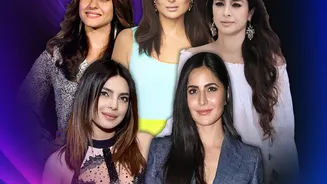
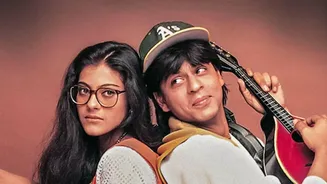
Many younger viewers find the storytelling of older Bollywood a refreshing change of pace from today's often complex, fast-edited content. In a world of digital saturation and what some sociologists call 'liquid modernity', the past can offer a symbolic refuge. Classic films often feature clearer emotional arcs, timeless music, and a gentler portrayal of life that provides comfort. This isn't just about escapism; it's a search for connection. Actor Kajol noted that younger fans appreciate the passionate and clean romance in films like 'Kuch Kuch Hota Hai', suggesting a desire for emotional directness that they feel is sometimes missing in modern cinema. In an age of algorithm-driven micro-trends, the shared cultural experience of watching a beloved classic offers a sense of stability.
The Return of the Big Screen Event
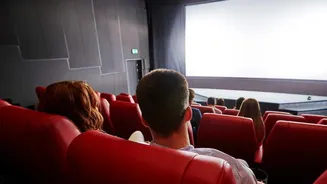
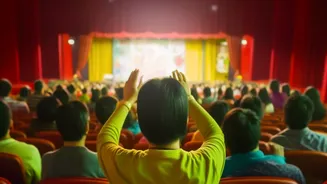
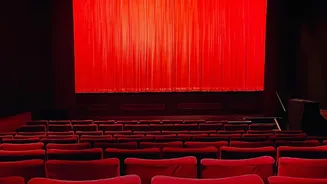
The trend isn't confined to small screens. The recent wave of theatrical re-releases for films like 'Jab We Met' and 'Dilwale Dulhania Le Jayenge' has seen remarkable success, with cinemas filled with young audiences. For many in Gen Z, this is their first opportunity to experience these iconic movies in a theatre, turning a re-release into a major social event. This phenomenon demonstrates a craving for deeper, more immersive narratives that stand in contrast to the short-form content that dominates their daily feeds. The willingness to watch three-hour-long films in a cinema suggests that timeless storytelling and iconic characters still hold powerful appeal.
An Aesthetic and Cultural Anchor
Beyond the plots and stars, it is the overall aesthetic of older films that captivates younger audiences. The fashion, from low-rise jeans to chiffon sarees, is being celebrated on mood boards and social media. The 'old Indian summer' aesthetic, with its faded yellow light and Doordarshan-era living rooms, feels warm, familiar, and human in a world that can seem overly polished. This turn towards nostalgia is part of a broader 'nostalgia economy' where Gen Z is reviving everything from vinyl records to vintage clothing. It's a way of forming an identity and resisting the impermanence of digital culture by connecting with a past that feels more grounded and tangible.