
From Sacred Ritual to Global Staple
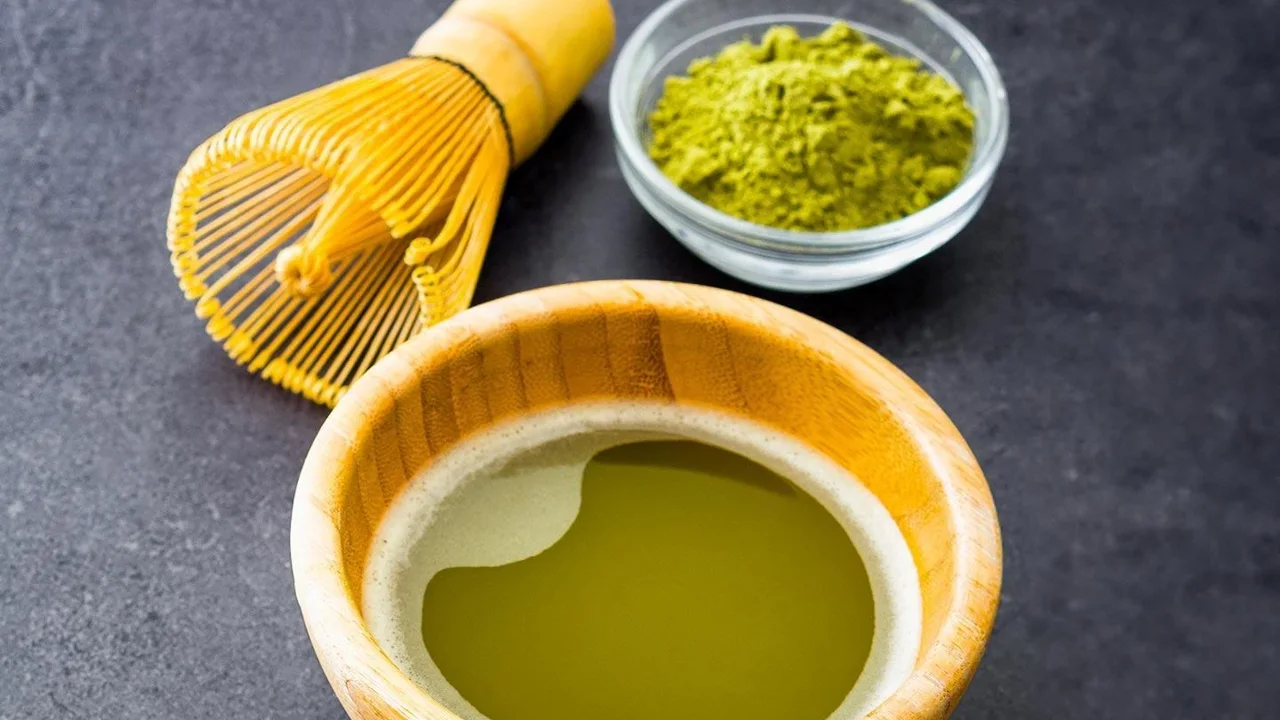
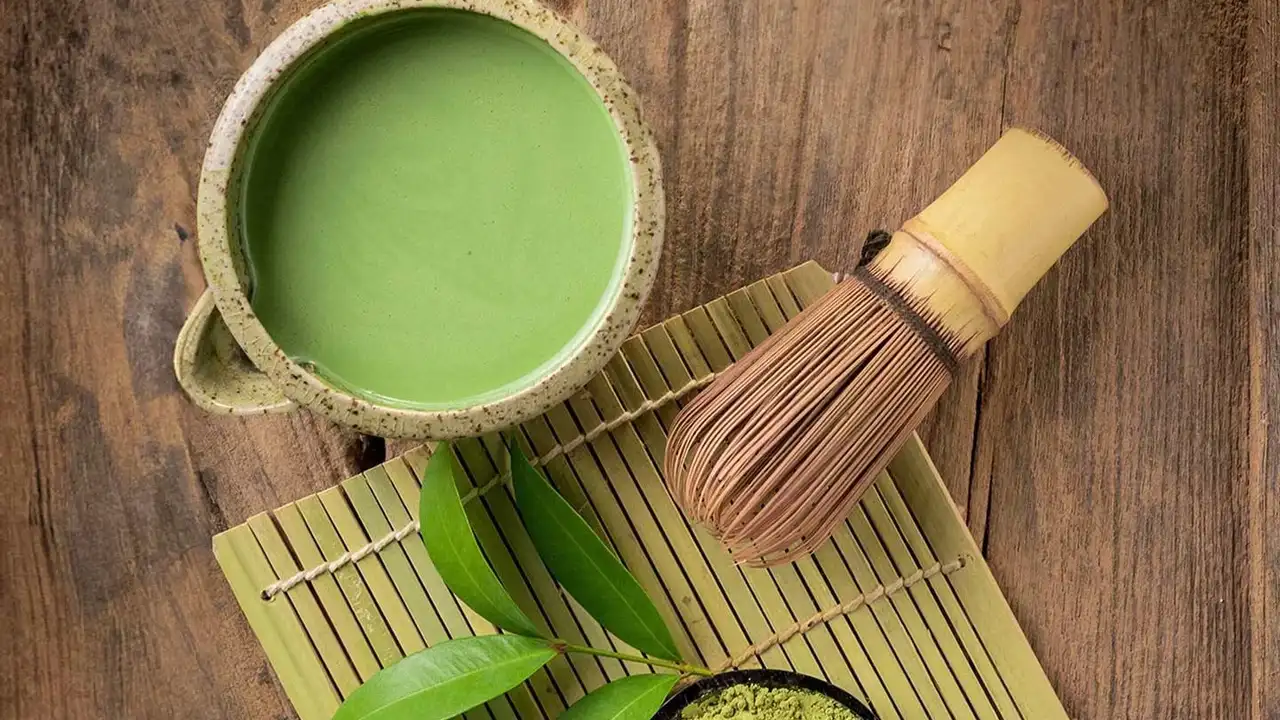
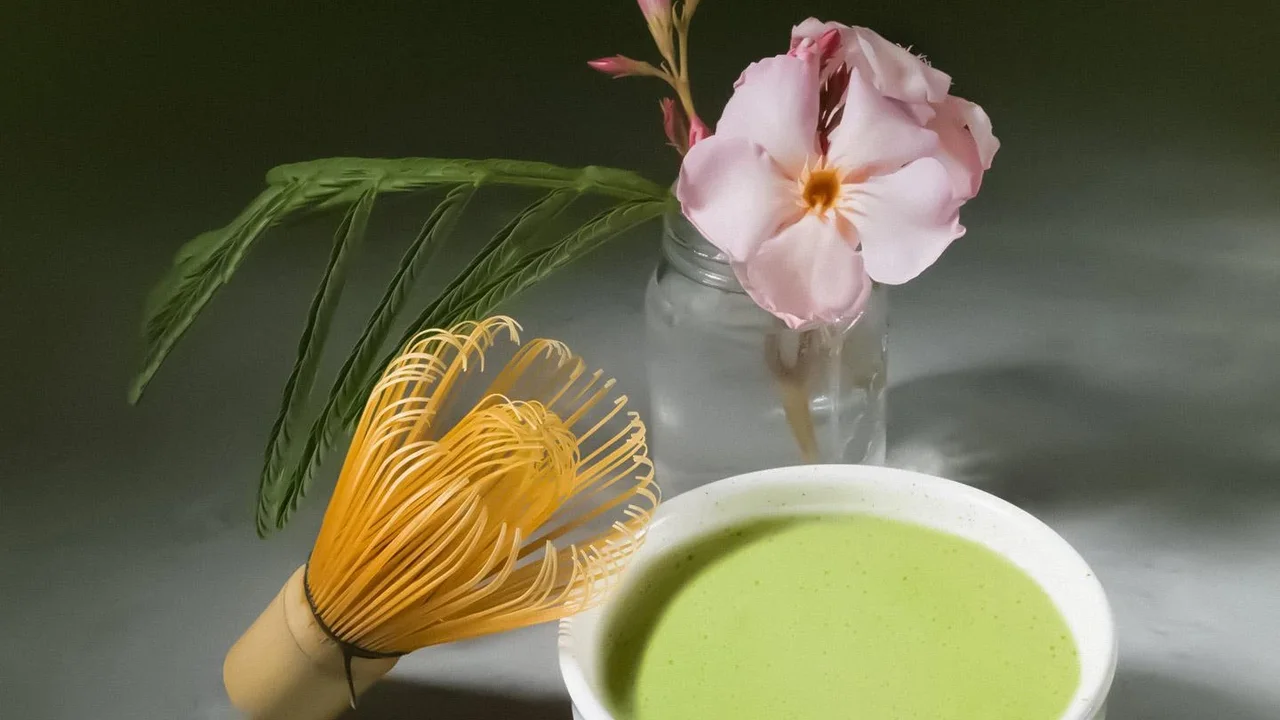
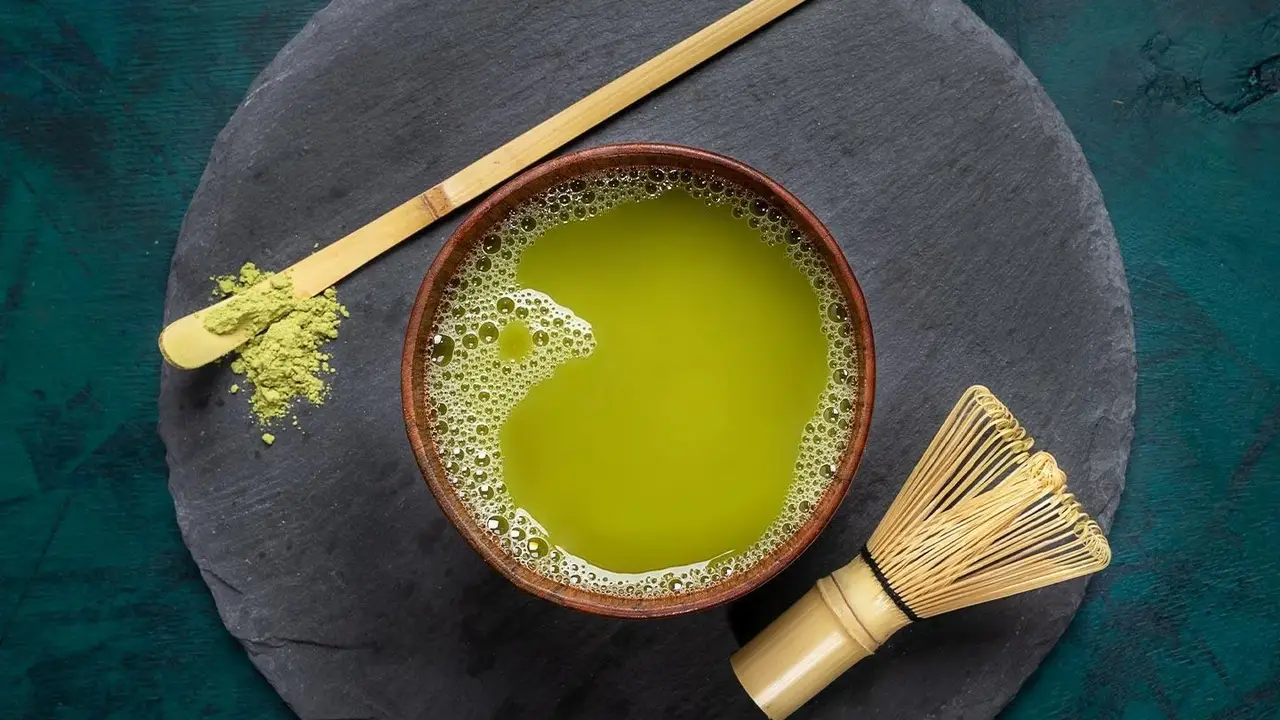
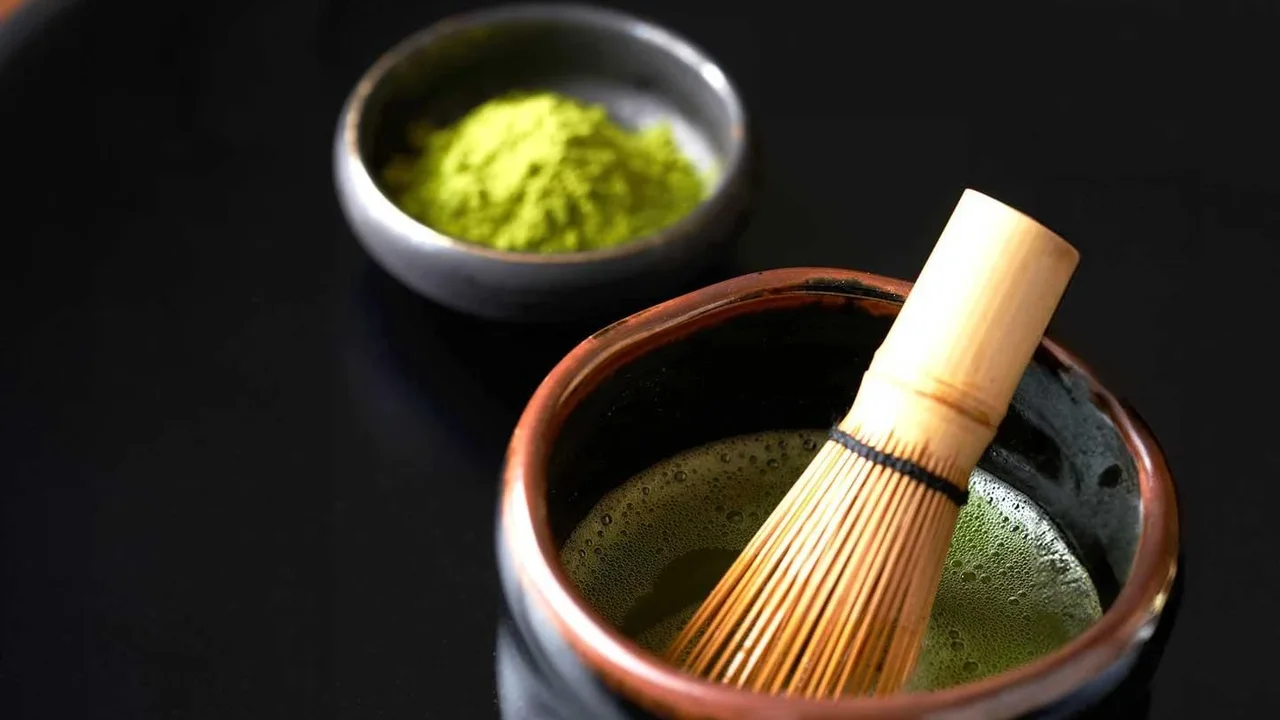
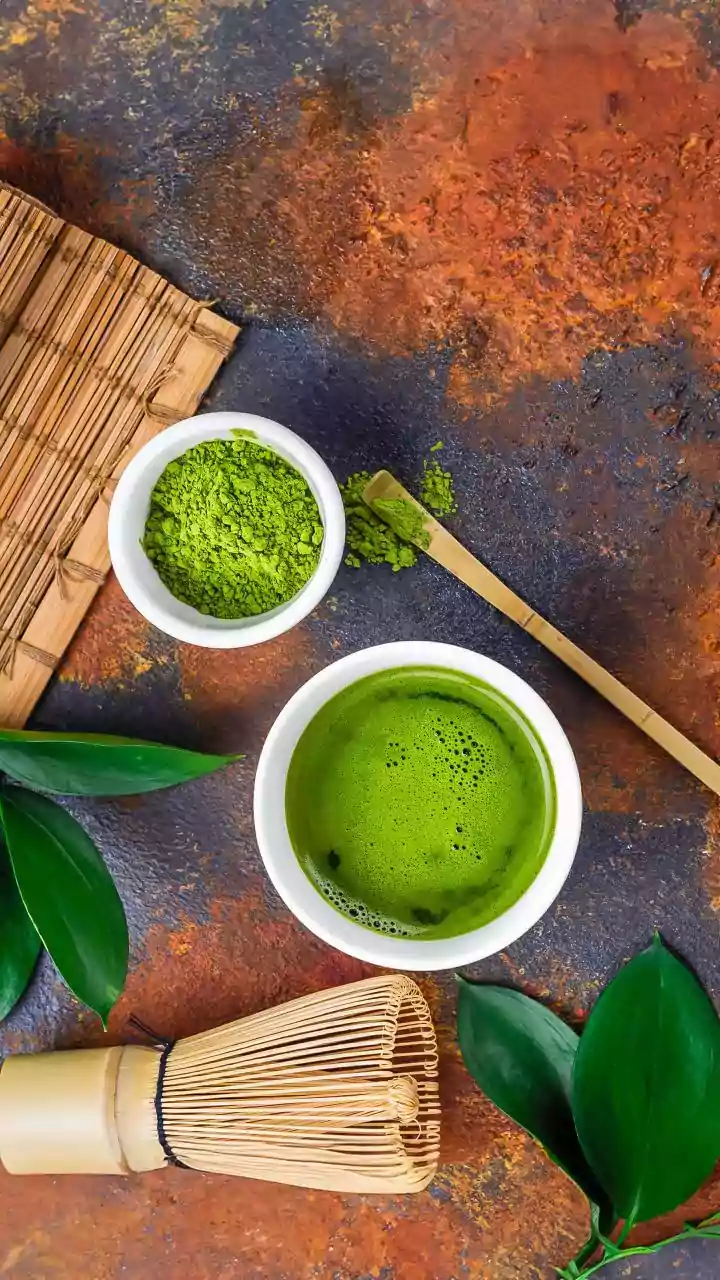
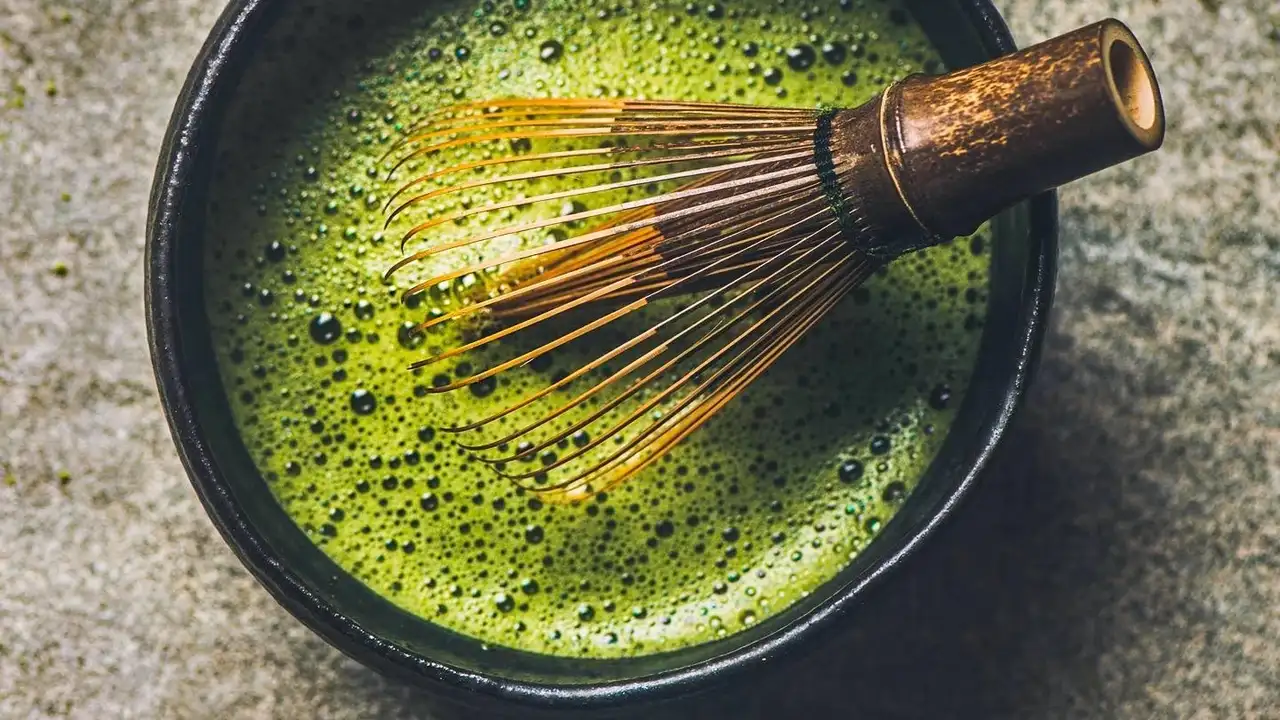
For centuries, matcha held a revered place in Japanese culture, central to the traditional tea ceremony. This wasn't just about sipping tea; it was a meditative practice involving a finely ground powder made from shade-grown green tea leaves, whisked
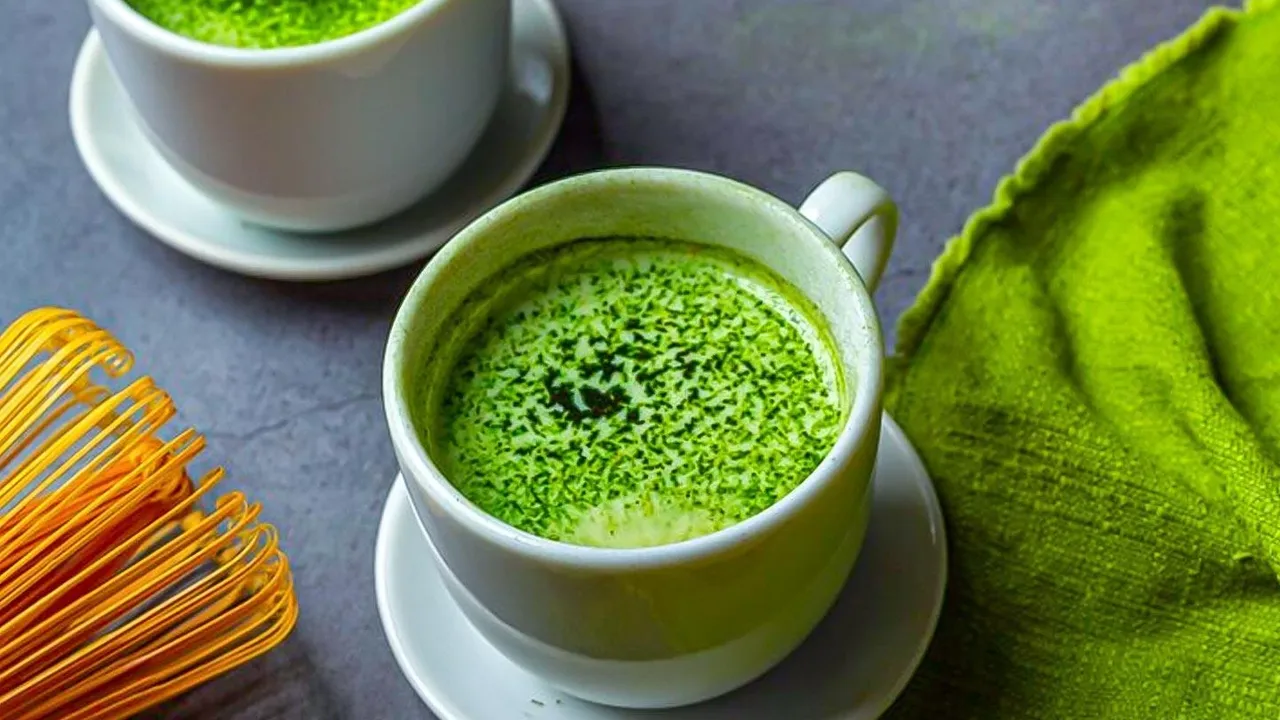
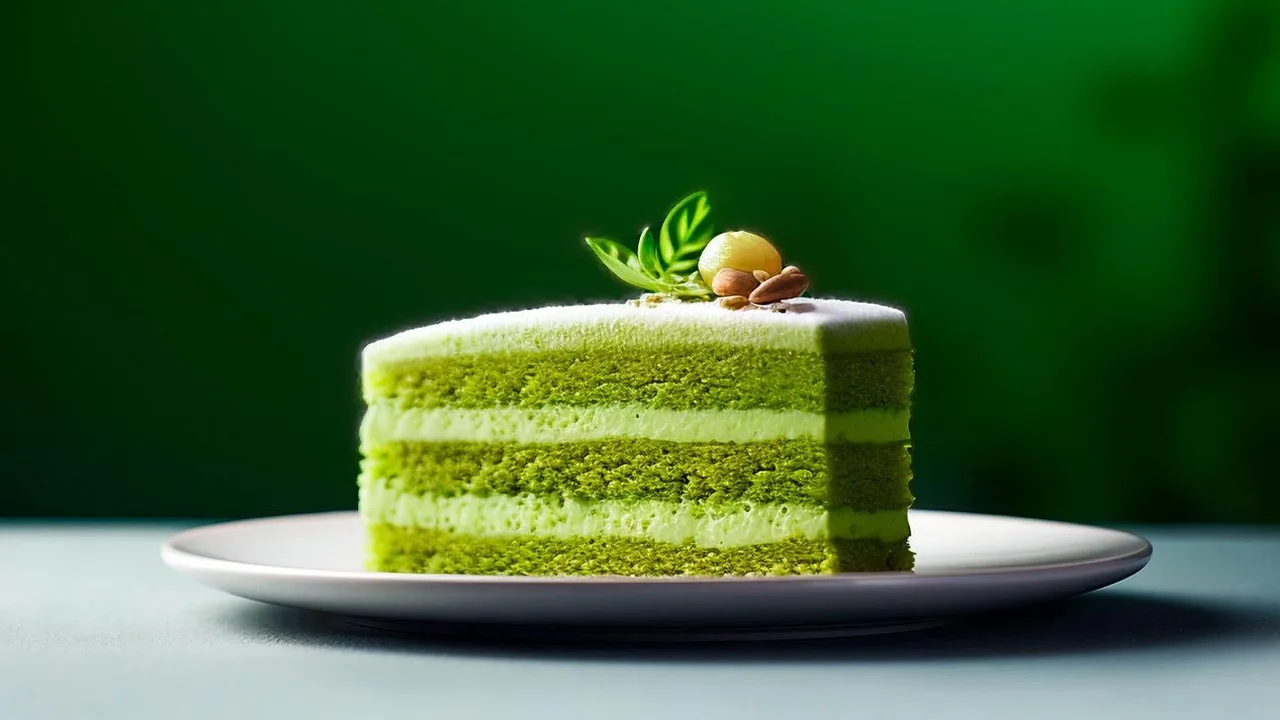
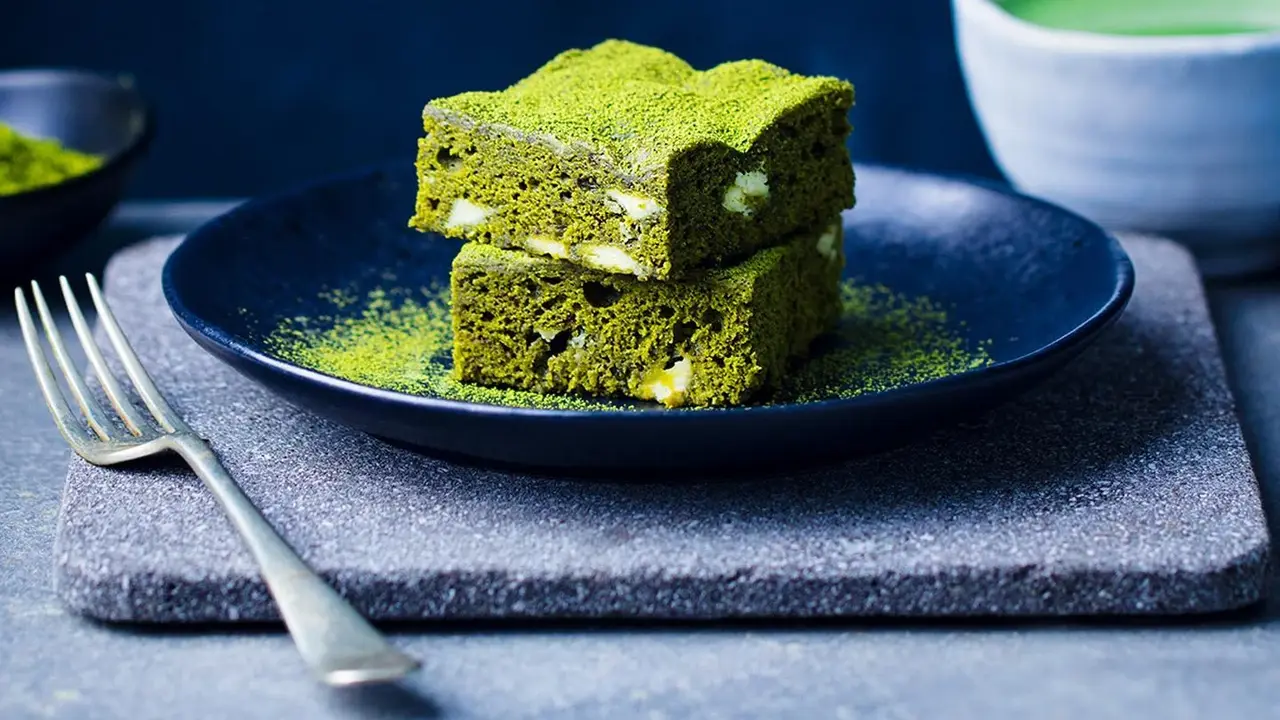
into a frothy, vibrant beverage. Its journey to the West saw it rebranded as a wellness superstar. Packed with antioxidants and offering a gentle, sustained energy boost from a combination of caffeine and L-theanine, matcha became the go-to alternative for the coffee-fatigued. Soon, every cafe had a matcha latte, and every bakery a matcha-dusted croissant or cookie. This was matcha 1.0: sweet, familiar, and highly Instagrammable. But its unique, slightly bitter, and deeply savory 'umami' flavor profile hinted at a much larger culinary potential waiting to be unlocked.
Breaking the Sweet Mold
The latest chapter in matcha's story is far more adventurous. It has officially entered the experimental food trend cycle, a pattern where an ingredient moves from its traditional context into avant-garde culinary creations. We saw it with the black-everything trend powered by activated charcoal and the wellness revival of turmeric as 'golden milk'. Now, it's matcha's turn. Chefs and home cooks are looking past its role as a beverage or dessert flavor and treating it as a complex spice. This shift is pushing matcha into the savory realm in ways that challenge our expectations of the ingredient. The vibrant green color that made it a social media darling is now appearing in dishes that are anything but sweet.
Matcha on the Dinner Menu
So, what does experimental matcha look like on a plate? Imagine matcha-infused pasta dough, giving noodles a beautiful green hue and a subtle, earthy flavor that pairs well with creamy or pesto-based sauces. Creative chefs are using it as a rub for roasted chicken, mixing it into butter that melts under the skin to create a savory, visually stunning dish. It’s being sprinkled over steamed cod with lemon and thyme, where its grassy notes complement the delicate fish. The experimentation extends to handmade pizza dough, vibrant gnocchi served with a miso butter sauce, and even fluffy naan bread. These aren't just gimmicks; the umami quality of matcha adds a genuine depth of flavor, enhancing other savory ingredients in the dish.
The Savory Frontier and Why Now
This trend isn't just happening in high-end restaurants. It's appearing in home kitchens, fueled by a collective desire for new flavor combinations. Matcha is finding its way into condiments like aioli and compound butter, or being whisked into hummus and salad dressings. One of the most surprising applications is in soups, particularly creamy mushroom or carrot soups, where its earthiness elevates the entire bowl. This culinary curiosity is driven by a few factors. First, global palates are more open to umami, the fifth taste, which matcha delivers in spades. Second, social media continues to reward visual novelty, and a plate of bright green pasta is certainly eye-catching. Finally, after years of matcha lattes, food enthusiasts are simply ready for the next thing, seeking to unlock new dimensions of an ingredient they already love.