


The Trouble with the Jar
Take a look at the ingredients list on a typical store-bought jam or fruit spread. Beyond the fruit, which is often listed after sugar, you’ll likely find high-fructose corn syrup, pectin (a thickener), citric acid, and artificial preservatives like sodium
benzoate. These ingredients are designed for a long shelf life and a uniform consistency, but they come at a cost. The flavour is often one-dimensional and overly sweet, masking the natural taste of the fruit. The high sugar content contributes to an unhealthy start to the day, leading to energy crashes and adding unnecessary calories to your diet. In essence, you’re often buying a jar of sugar flavoured with fruit, rather than a true fruit preserve.
The Magic of Making Your Own
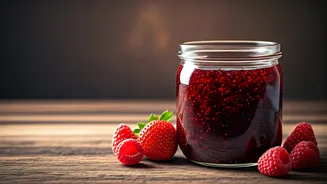
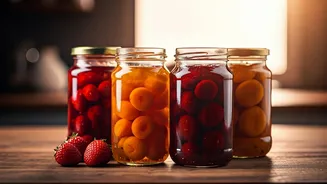
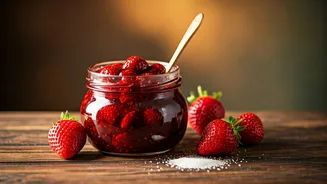
The shift towards homemade preserves is about reclaiming control over what we eat. When you make your own, you are the master of the ingredients. You decide which fruit to use—whether it’s seasonal mangoes, luscious strawberries, or tart plums. Most importantly, you control the sugar. You can reduce it dramatically, or replace it with natural alternatives like jaggery, honey, or maple syrup for a more complex flavour. The result is a spread bursting with the vibrant, authentic taste of the fruit itself. The process is also deeply satisfying. The simple act of transforming fresh fruit into a delicious preserve connects us to our food in a way that opening a jar never can. Your kitchen fills with a wonderful aroma, and the final product is something you can be proud to serve your family.
Demystifying “Slow Churned”
While the term “slow churned” is more commonly associated with ice cream, in the context of preserves, it refers to the cooking method. Instead of a rapid boil that can scorch the sugar and dull the fruit’s freshness, this is about a gentle, low-and-slow simmer. This patient approach allows the fruit to break down gradually, its natural sugars to caramelise slightly, and its flavours to concentrate and deepen. The water content evaporates slowly, naturally thickening the mixture without the need for excessive pectin or other gelling agents. This method works beautifully in a heavy-bottomed pot on the stove or even in a slow cooker, requiring minimal attention while it transforms simple fruit into a rich, luxurious spread.
Your Simple Starter Kit
You don’t need fancy equipment to get started. Most of what you need is likely already in your kitchen. Here’s a basic list: - **A heavy-bottomed pot or kadai:** This prevents the fruit from sticking and burning at the bottom. - **Fresh, ripe fruit:** About 500g is a great starting amount for a small batch. - **A sweetener of your choice:** Start with about 1/4 cup of sugar, jaggery, or honey for 500g of fruit and adjust to your taste. - **An acid:** The juice of half a lemon or lime helps the preserve set and brightens the flavour. - **A wooden spoon or spatula:** For stirring. - **Clean, sterilised glass jars:** For storing your finished preserve in the refrigerator.
The Universal Method for Small Batches
This method works for most fruits like berries, peaches, plums, and figs. First, wash and chop your fruit into small, uniform pieces. For berries, you can leave them whole. Place the fruit in your pot with your chosen sweetener and the lemon juice. Stir to combine and let it sit for about 15-20 minutes; this helps the fruit release its natural juices. Next, place the pot over medium-low heat and bring it to a gentle simmer, stirring occasionally. Once it’s simmering, reduce the heat to low and let it cook slowly for 45 minutes to an hour. As it cooks, mash the fruit with your spoon if you prefer a smoother texture. The preserve is ready when it has thickened and a spoon dragged across the bottom of the pot leaves a clear trail. Remember, it will thicken more as it cools. Let it cool slightly before transferring to your clean jar.
More Than Just Toast
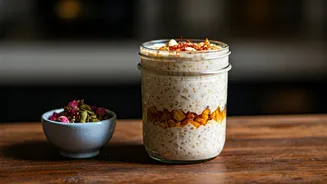
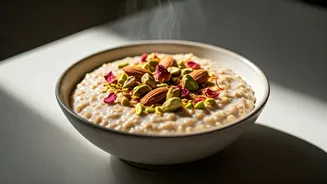
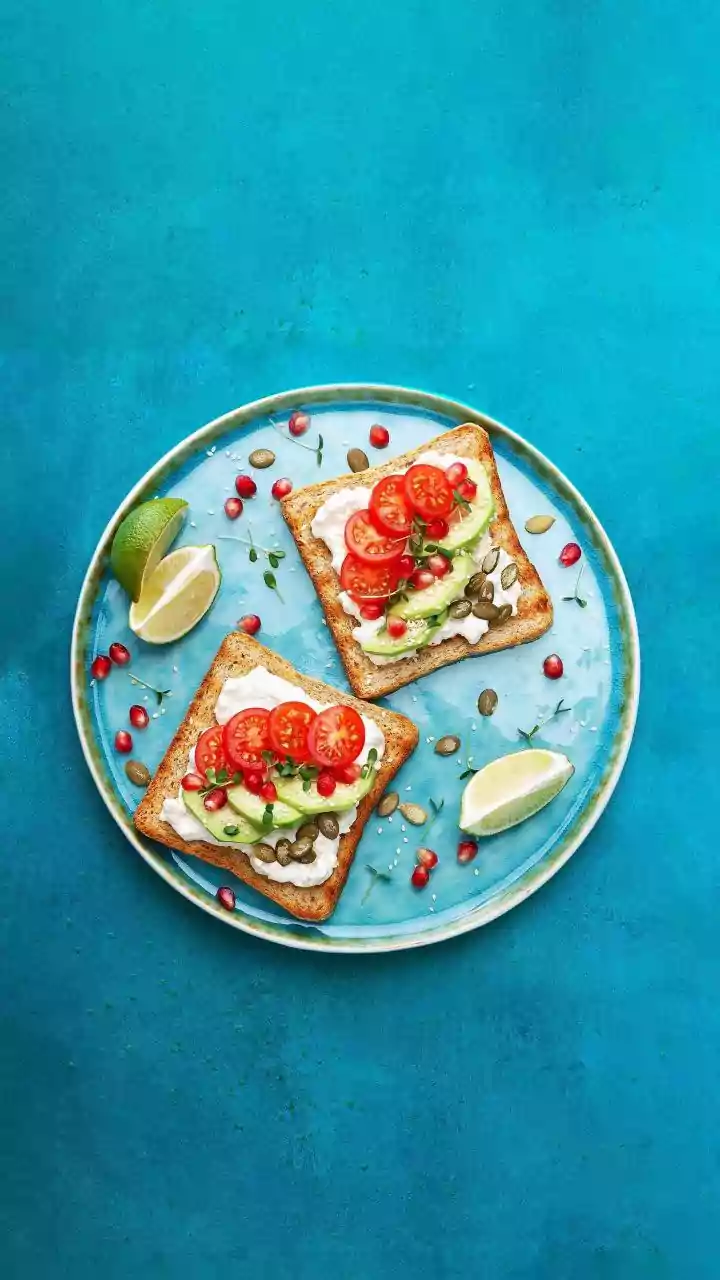
Don't limit your delicious creation to your morning toast. Homemade fruit preserves are incredibly versatile. Swirl a spoonful into a bowl of dahi or plain yoghurt for a healthy dessert. Use it as a topping for pancakes, waffles, or a bowl of oatmeal. It can also be a wonderful accompaniment to savoury dishes; a dollop of plum or fig preserve is fantastic with a cheese platter. You can even use it in baking as a filling for tarts, thumbprint cookies, or as a layer in a sponge cake. Your homemade preserve is a secret ingredient that can elevate dozens of dishes.