







The 10-Minute Cart Is Getting Bigger
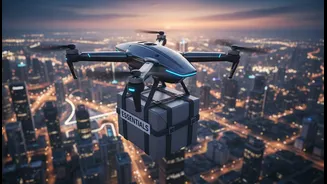
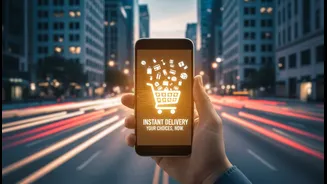
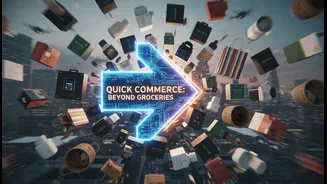
Not long ago, quick commerce was synonymous with rescuing a dinner plan with a fast delivery of onions or getting emergency snacks for a late-night study session. Today, that same 10-to-20-minute delivery window is bringing everything from phone chargers
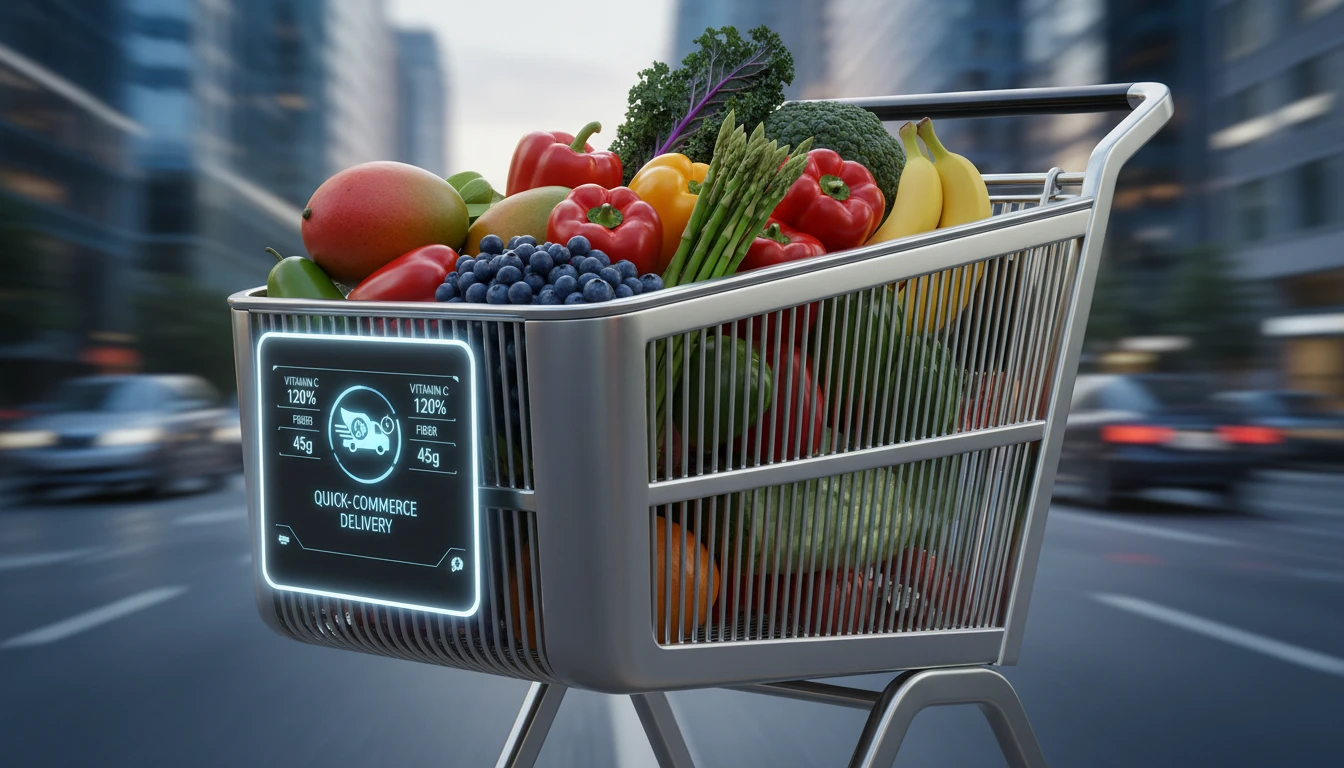
and beauty products to apparel and small electronics. Platforms like Blinkit, Zepto, and Swiggy Instamart are rapidly expanding their product catalogues. This shift is deliberate. While groceries are a high-frequency purchase, they offer thin profit margins. Higher-margin items like personal care, beauty products, electronics accessories, and even pet supplies are where these companies see a path to sustainable growth. As a result, non-grocery items now make up a significant and fast-growing portion of their sales.
The Players and Their Playbook
The quick commerce battlefield is dominated by a few key players, each with a slightly different strategy. Blinkit, owned by Zomato, is a market leader, focusing on a wide range of household items and even expanding into new areas. Zepto, famous for its 10-minute delivery promise, is aggressively pushing into categories like beauty, electronics, and even ready-to-drink coffee with its 'Zepto Café' concept. Swiggy Instamart leverages its vast food delivery network to offer a diverse range of daily essentials. Even e-commerce giants like Flipkart and Amazon are entering the fray with services like 'Flipkart Minutes', recognizing that speed is becoming a baseline expectation for all online retail. Their strategy relies on a network of 'dark stores'—small, hyperlocal warehouses packed with the most popular items, enabling riders to pick up and deliver orders within a small radius at incredible speeds.
More Than Just Convenience
The implications of this shift extend far beyond just getting more stuff, faster. For consumers, it's changing purchasing habits. The need for planning a weekly shop diminishes when you can get what you need at the moment you need it. This drives more impulse buys and a greater reliance on these platforms for everyday needs. For the broader retail market, the impact is profound. Traditional kirana stores are facing immense pressure but are also finding new opportunities by partnering with these platforms or digitising their own operations. However, this high-speed model isn't without its challenges. The industry faces scrutiny over the intense pressure on delivery workers, the environmental impact of single-item deliveries and excessive packaging, and the long-term financial viability of a business built on speed.
What It Means for You
As a young consumer, understanding this evolution is key. Firstly, quick commerce is reshaping the job market, creating thousands of roles in logistics, tech, and the gig economy, though conversations around worker welfare are ongoing. Secondly, it provides unprecedented convenience that aligns with fast-paced urban lifestyles. However, this convenience can also lead to changes in spending habits. The ease of ordering can blur the lines between needs and wants, potentially leading to more frequent, smaller purchases that add up over time. Being a mindful consumer means enjoying the convenience while also being aware of your own consumption patterns and the broader economic and social shifts this industry is driving. The brands that win your attention are no longer just the ones on the supermarket shelf, but the ones available on an app at the exact moment you need them.