





A New Current in Indian Travel
There's a palpable shift in how younger Indians are choosing to explore their country. Millennials and Gen Z are increasingly trading packed monuments and bustling cities for more meaningful, nature-centric escapes. This generation is driven by a desire
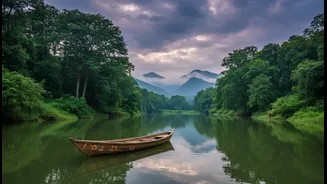
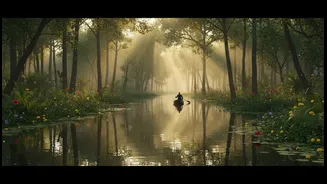
for authentic experiences, sustainable practices, and the thrill of venturing into lesser-known territories. It’s less about ticking boxes and more about finding a personal connection with a place. This quest for authenticity has turned a spotlight onto one of India’s most overlooked natural treasures: its extensive network of wetlands. These vital ecosystems, from mangrove forests to vast freshwater lakes, are now becoming the new frontier for explorers seeking tranquility and adventure.
The Infrastructure of Discovery
The key unlocking these hidden gems is a nationwide push to develop coastal and inland waterways. Initiatives like the Sagarmala Programme and the Cruise Bharat Mission are not just about cargo and commerce; they are fundamentally changing the tourism map of India. By funding the construction of modern jetties, ferry services, and passenger terminals in previously hard-to-reach areas, the government is creating new arteries for travel. For example, the recently inaugurated modern river terminal in Guwahati on the Brahmaputra is designed not just for transport but as a gateway for tourism, blending connectivity with leisure. Similarly, plans to modernize jetties in Mumbai and develop new eco-friendly cruise routes on Delhi's Yamuna are set to open up urban waterways for recreation and sustainable transport.
Wetland Wonderlands Beckon
This new infrastructure directly enables access to stunning and ecologically important wetlands. Under the Amrit Dharohar scheme, the government is actively promoting nature tourism at Ramsar sites—wetlands of international importance—by developing facilities like birdwatching towers and nature trails while supporting local communities. In states like Bihar, over 50 new locations, including Kanwar Lake Bird Sanctuary, are being developed for eco-tourism. In Odisha, sites like Chilika Lake and Bhitarkanika Mangroves are part of a pilot project to enhance livelihood opportunities through nature tourism. Similarly, in Uttar Pradesh, facilities at sites like the Haiderpur Wetland have been upgraded to provide a better experience for bird watchers and nature lovers. These efforts are turning fragile ecosystems into thriving hubs for responsible tourism, where visitors can experience incredible biodiversity firsthand.
Low Impact, High Experience
This new wave of travel aligns perfectly with the millennial and Gen Z ethos of low-impact, high-experience journeys. The infrastructure being developed often prioritizes sustainability, with an emphasis on electric-solar hybrid vessels and eco-friendly design. For today's young explorers, the journey is as important as the destination. They are drawn to trips that support local economies, respect the environment, and offer a genuine connection to nature. The rise of birdwatching tourism in places like the Sundarbans and various bird sanctuaries across the country is a testament to this trend. It’s a form of tourism where the main attraction is the pristine, untouched beauty of the natural world, offering a chance to disconnect from the digital and reconnect with the real.
Planning Your Riverine Escape
So, how can you be a part of this emerging travel movement? Start by researching the wetlands that pique your interest, whether it's the vast mangrove forests of the Sundarbans or the migratory bird havens in Uttar Pradesh or Odisha. Look for tour operators and homestays run by local communities, as this ensures your money directly supports conservation and local livelihoods. The best times to visit are often during the winter months when migratory birds arrive, transforming these landscapes. Travelling via newly established ferry routes or local boat services can be an adventure in itself, offering a unique perspective that road or rail travel simply cannot match. This isn’t about luxury cruises, but about immersive, conscious travel that leaves both the traveller and the destination enriched.